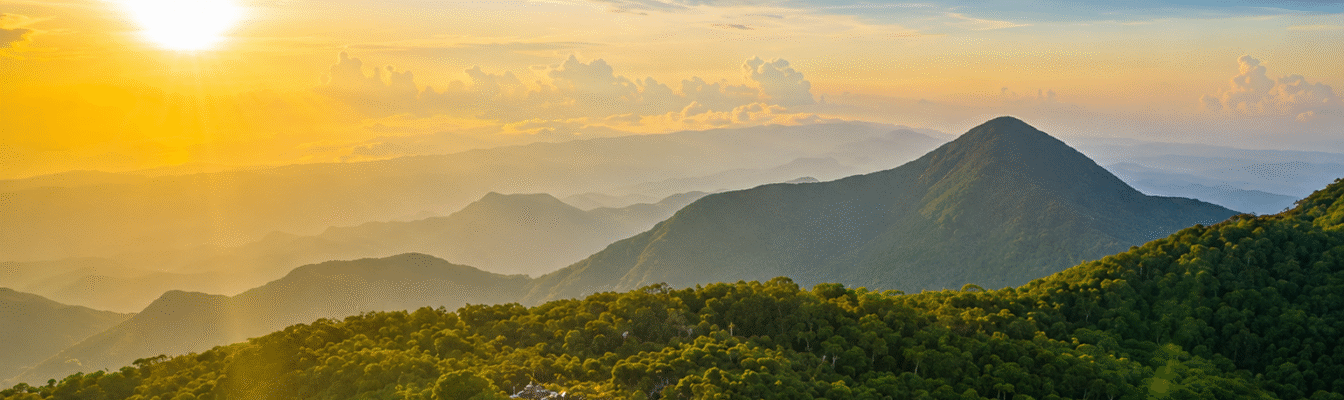
11th Anniversary of Blue and John Crow Mountains inscribed as a UNESCO World Heritage Site

/ Our Today
administrator
Jamaica commemorated the 11th Anniversary of the Inscription of the Blue and John Crow Mountains as a UNESCO World Heritage Site yesterday, July 3, 2026.
The occasion was recognised by Culture Minister, Olivia Grange, describing it as a defining moment in Jamaica’s cultural and natural heritage, saying “on July 3, 2015, this majestic landscape in eastern Jamaica became our nation’s first UNESCO World Heritage Site and the Caribbean’s first UNESCO-listed mixed (cultural and natural) site. It is a living cultural and natural treasure that tells the powerful story of resilience, resistance, and deep connection to the land.
Its inscription on UNESCO’s prestigious list, Minister Grange argues placed the Blue and John Crow Mountains among iconic sites such as the Great Wall of China, the Pyramids of Giza in Egypt, the Taj Mahal of India, the Acropolis of Athens, and the Pitons in Saint Lucia. The significance of the Blue and John Crow Mountains lies in part in their association with the protection, resistance and survival of the Taíno people, and later, as the stronghold of the Windward Maroons, who fought for and secured their freedom from British enslavement.

Living heritage of Kromanti and grand marronage
According to her, “the Maroons’ profound knowledge of the forest, their spiritual traditions, and the living heritage of Kromanti and grand marronage earned the site international recognition from UNESCO. These mountains, our highest, and the Windward Maroons, stand as enduring symbols of resilience and the deep connection between people and environment.”
This rugged, forested region, spanning Portland, St. Thomas, and parts of St. Mary, is home to extraordinary endemic species found nowhere else on Earth. It remains a sacred space where Maroon communities continue to honour their ancestors and safeguard intangible cultural heritage recognised by UNESCO.
Grange says she is proud of the progress made in partnership with site manager, the Jamaica Conservation and Development Trust, Forestry Department, National Environment and Planning Agency, Jamaica National Heritage Trust, and the Windward Maroon communities. Together, these entities are strengthening site protection, promoting responsible tourism, supporting community-based livelihoods, and ensuring that the Outstanding Universal Value of this site is preserved for future generations.
Though this World Heritage property was not in the direct path of the recent devastation of Hurricane Melissa, the site still experienced significant impacts. Landslides blocked historic trails and roads, and there was damage to infrastructure and ecosystems.
Minister Grange reports that her ministry, in partnership with UNESCO, has worked with affected communities through recovery efforts and remains committed to supporting strategies that will secure their continued resilience as an integral part of Jamaica’s heritage and of humanity. “The Blue and John Crow Mountains remind us that our heritage is not a relic of the past; it is a living foundation for national identity and sustainable economic development. It offers opportunities in eco-tourism, creative industries, education, and research that can directly benefit surrounding communities,” she wrote in a statement commemorating the anniversary.
The Culture Minister used the occasion to call on all Jamaicans, especially our young people, to learn about, visit responsibly, and help protect this national treasure. “Let us continue to work as one people with one purpose to safeguard our heritage while creating opportunity and building pride. I extend special appreciation to the Maroon communities who remain the true custodians of this sacred landscape, and to all our partners who work daily to keep the Blue and John Crow Mountains thriving, she said in concluding.





Comments