
J$104 million more to aid drought-stricken agri sector

/ Our Today
administratorFocus placed on procurement of water trucks, provision of seeds and rehabilitation of catchment tanks
Durrant Pate/Contributor
The Government of Jamaica is pouring out more money to aid farmers recover from the current drought conditions now gripping the country.
In fact, the Ministry of Agriculture, Fisheries and Mining is spending an additional J$104 million to continue to build the resilience of the agricultural sector, which comes against the background of its Agricultural Disaster Risk Management Committee being tasked to continue evaluating the impact of drought conditions and identify practical solutions that will allow farmers to sustainably continue their farming enterprises taking into account the impact of climate change.
Portfolio Minister Floyd Green, who made the announcement of the J$104 million drought aid package in Parliament yesterday, outlined a six-pronged approach to tackling the problem, including the purchasing of three additional water trucks at a cost of J$48 million. This is being done as part of the Government’s commitment to addressing water scarcity issues.
These trucks will be deployed strategically in areas with limited water access and will support the trucking of water to farming communities. The trucks will facilitate the timely delivery of water to farmers in need, ensuring that their agricultural activities can continue even in the face of water shortages.
Other components of the plan
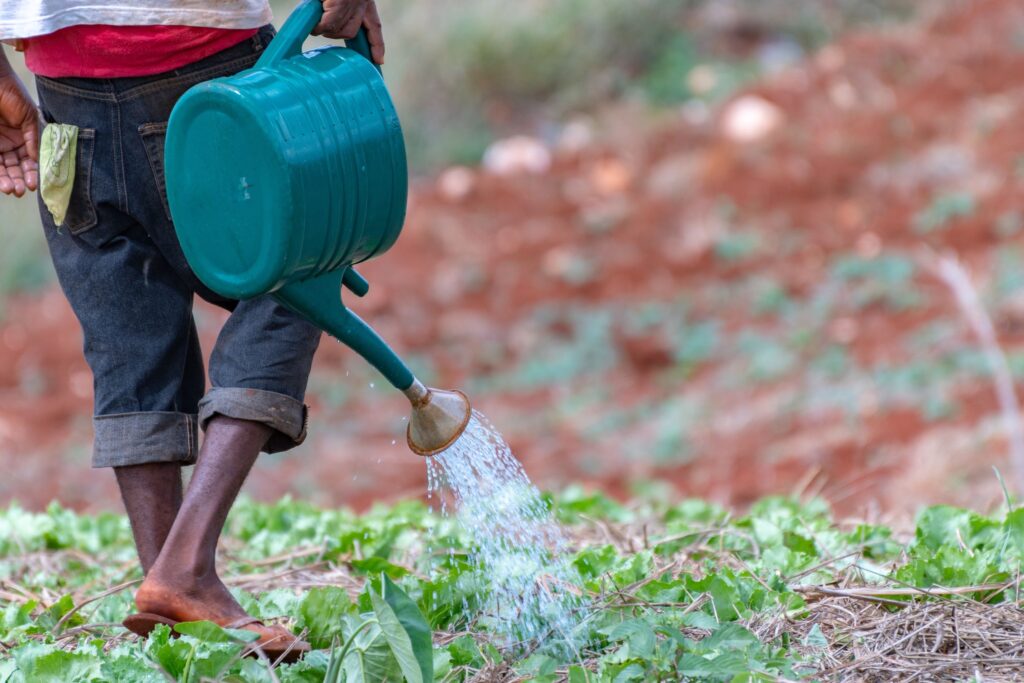
The plan will see the continued delivery of trucked water to farmers in affected areas to address the challenges of water scarcity and drought caused by climate change. As such, Green told Parliament that his ministry has initiated a comprehensive programme for trucking water to farming communities.
According to Green, “This program aims to provide temporary relief by delivering water to areas where access to irrigation water is limited. The water trucks will transport water to farmers in need, enabling them to maintain their crops and livestock during periods of water scarcity. The total allocation to this activity Madam Speaker is J$8 million.”
The third prong will see the provision of vegetable seeds given the reality that climate change impacts on agriculture, including unpredictable rainfall patterns and increased pest pressure. Under this programme, the ministry is distributing high-quality, climate-resilient vegetable seeds to farmers across the country.
These seeds are carefully selected to withstand varying climatic conditions, ensuring a more reliable and sustainable food supply. The total allocation to this activity is J$20 million.
Mulching to conserve soil moisture
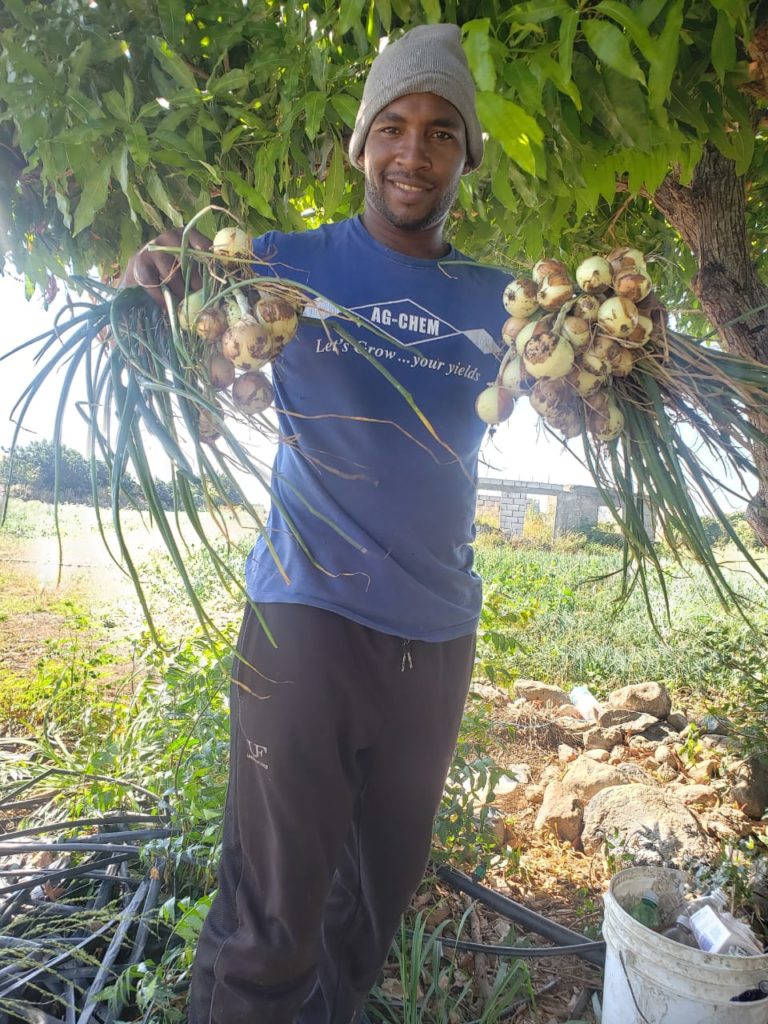
Mulching, which plays a vital role in conserving soil moisture, reducing weed growth, and maintaining soil temperature is being encouraged with farmers being aided in the practice, as part of the fourth prong. To promote sustainable farming practices and improve climate resilience, the ministry has initiated a mulch provisioning programme.
Through this program, farmers will receive adequate quantities of organic mulch materials such as straw, leaves, or grass clippings to cover their crops. This will help retain soil moisture, prevent erosion, and improve overall crop health. Madam Speaker J$3 million has been allocated to this activity.”
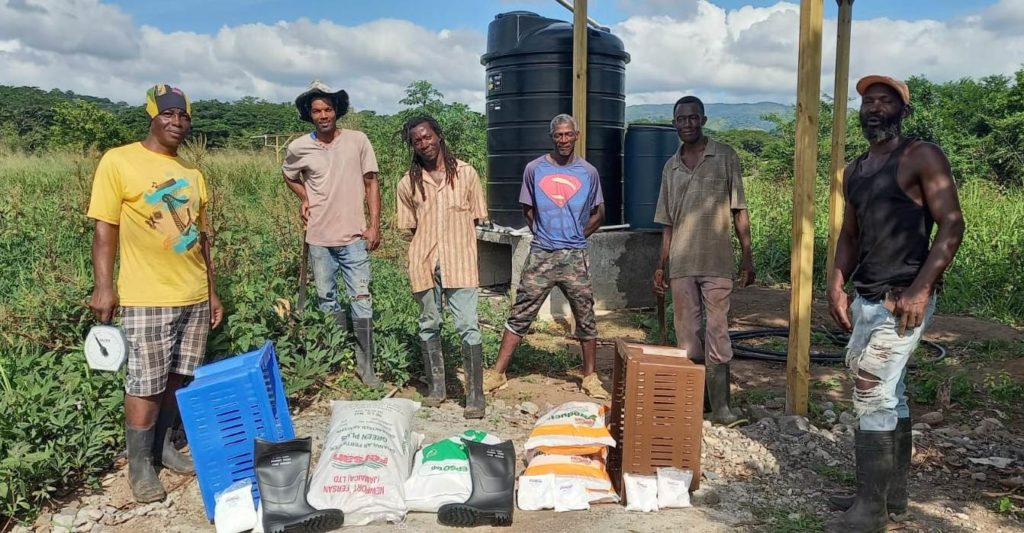
The provision of irrigation kits to farmers at a cost of J$10 million is the fifth prong in the six-pronged action plan. This move is recognizing the importance of efficient water management in agriculture.
These kits include essential equipment such as drip irrigation systems and hoses.
By promoting the adoption of modern irrigation techniques, the ministry aims to minimize water wastage, improve water-use efficiency, and enable farmers to sustain their production even during periods of water scarcity.
The final component of the strategy calls for the rehabilitation of catchment areas to enhance water availability for agricultural purposes and ensure long-term water security. The rehabilitation of water catchment areas across the country involves activities such as desilting reservoirs, constructing check dams, and implementing soil conservation measures.
Rehabilitating these catchment areas will increase their water-holding capacity, improve water quality, and enhance the resilience of the agricultural sector to climate-related water challenges.
Agencies offering expertise and guidance

The total allocation for this activity is J$15 million. In the meantime, the Rural Agricultural Development Authority, National Irrigation Commission and Agro-Investment Corporation, all agencies under the agriculture, fisheries and mining ministry will continue to offer their expertise and guidance on best practice interventions to farmers, especially in the areas most affected by drought.
Green emphasised that these “initiatives collectively aim to strengthen climate resilience in the agriculture and fisheries sectors of Jamaica. By prioritising water management, promoting climate-resilient seeds, encouraging sustainable farming practices, and rehabilitating catchment areas, we are taking proactive steps to mitigate the impacts of climate change and secure a sustainable future for our agricultural communities”.
He gave his commitment to continuing the comprehensive work with the team at the ministry towards a more efficient agricultural and fisheries sector that redounds to the benefit of all our stakeholders.





Comments