More Jamaicans have taken their own lives this year – JCF data

Vanassa McKenzie / Our Today
Men account for the lion’s share of casualties
The number of Jamaicans taking their own lives has increased so far this year.
A report from the Jamaica Constabulary Force (JCF) Statistics and Information Management Unit has revealed that 50 Jamaicans have lost their lives as a result of suicide up to Tuesday, September 12.
This is an increase compared to the same period last year when 34 suicides were recorded between January 1 and September 12.
Of the total number of suicide cases, men accounted for the largest number with 43, while females accounted for seven.
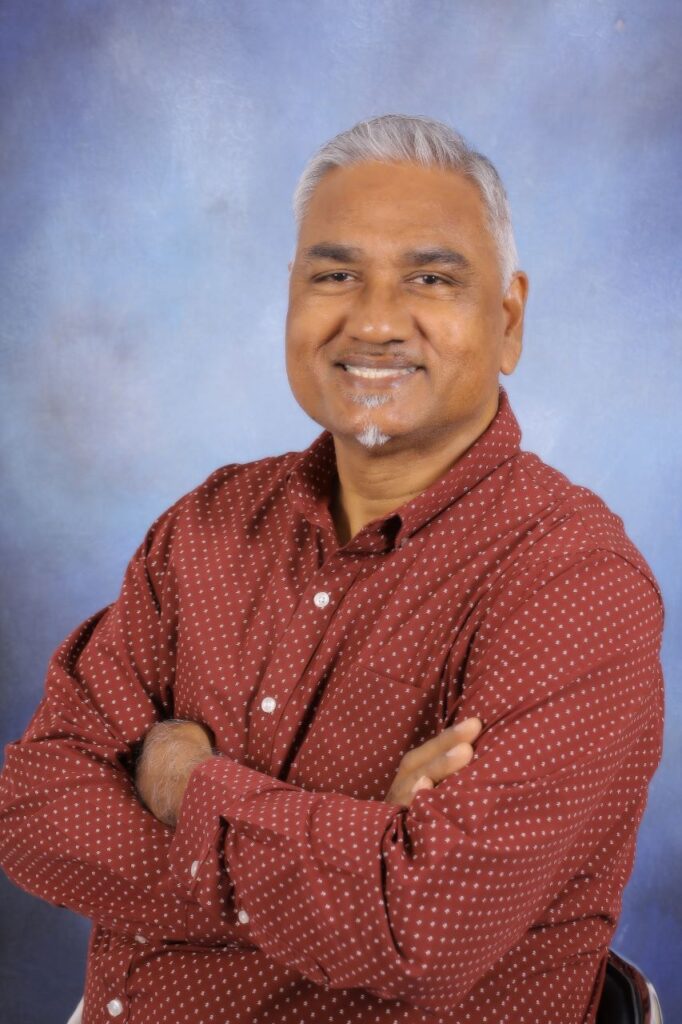
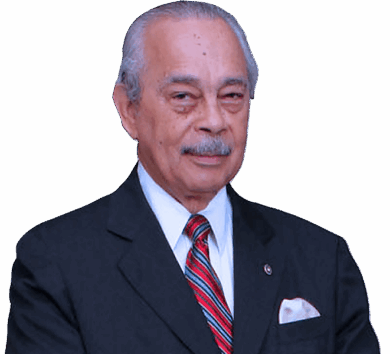
Dr Donovan Thomas, founder of Choose Life International, a faith-based non-governmental organisation with a focus on suicide prevention and grief counselling, explained that there are several contributing factors why more men commit suicide.
“More men complete suicide compared to women for a number of reasons. There is the psychological factor where men internalise, men don’t talk about what’s bothering them generally, so they will prefer to go down the corner, will drink or smoke, and don’t deal with the real issues. The second thing is economic factor. When a man is not able to meet his financial obligations sometimes it affects his whole mental and stability and so strong is the relationship between economy and suicide that a new word has been coined called econocide. So, I am saying economic factor, psychological factor, religious factor,”
DR DONOVON THOMAS
Thomas also noted that men are generally socialised from a tender age to submerge their feelings, which he believes contributes to how they express themselves as they get older.
“From very early we are teaching our boys that it is inappropriate to express feelings so we want to call on our society to allow space for us to deal with boys and girls and validate their feelings because what they feel is important. We may not agree with it but let’s start the socialisation a different way,” he added.
Stigma surrounding mental health
Thomas also noted that the stigma surrounding mental health in the Jamaican society serves as a deterrent for people who are experiencing depression or mental health challenges to seek help.
“Many people who need help are not reaching out for help and that includes women because of the stigma associated with getting mental health help. If we have cancer we seek help, if we have diabetes we seek help, if we have heart problem we seek help but there is resistance to getting help when it comes on to mental health and there is a lot of denial driven by the stigma that is attached to mental health,” Thomas stressed.
“Society needs to recognise that mental health is important just as physical health and give ourselves scope to endorse, to encourage, to support people who are dealing with mental health issues. Ninety per cent of those who complete suicide are those who have mental health issues and 60 per cent, or there about, are people who are depressed. There are many depressed people walking about in Jamaica and other nations of the world who are suffering from mental health and untreated. Therefore, there needs to be a drive to deal with that at a societal level and a national level to reverse the stigma and the labelling that it is weak people get help and it is mad people who are genuinely ill that will complete suicide,” he added.

To tackle this public health issue, Thomas is encouraging the promotion of easy access to agencies that offer mental health and suicide prevention support.
“We want to as a society grow protective factors, these are factors that help to process the challenges that are going on. Protective factors are those that help to protect against suicide and other mental health challenges. So, we need to promote easy access to agencies that provide help. There needs to be a drive to say the helpline is there, there are churches in our communities, call the mental health helpline,” he said.
Each year, September 10 is observed as World Suicide Prevention Day, a day geared towards spreading awareness through various initiatives aimed at educating the public by various stakeholders worldwide.
He further recommended the promotion of problem-solving as a tool to assist in alleviating some of the issues currently occurring in the Jamaican society.
In 2018, the Ministry of Health and Wellness, in partnership with Choose Life International, launched a 24-hour toll-free mental health and suicide prevention helpline to offer counselling to persons who are in need of assistance.
Persons can contact the helpline at 888 NEW LIFE or 888-639-5433.
–Send feedback to [email protected]


Comments