Inflation back within the target range, exchange rate stable, says BOJ

/ Our Today
administrator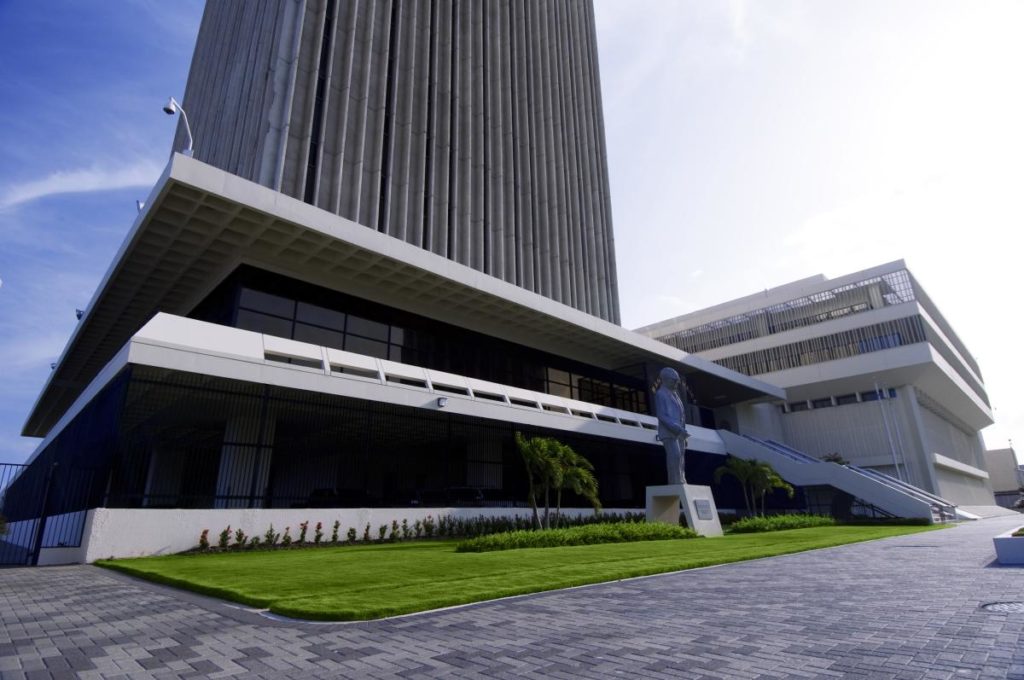
As the Bank of Jamaica (BOJ) looks to close out the year 2023, its monetary policies are yielding dividends with inflation trending downward and the exchange rate stable.
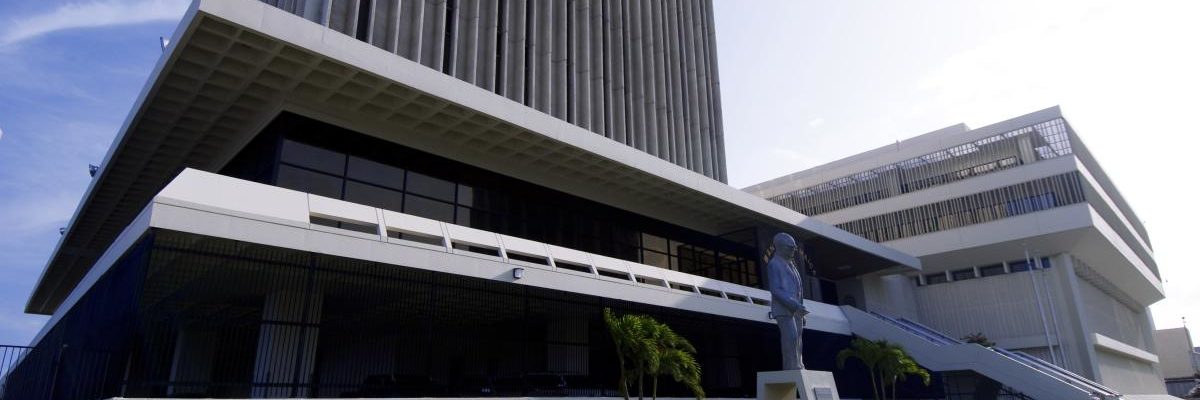
At a pressing briefing held at its downtown Kingston headquarters on Wednesday, the BOJ noted that per STATIN, Jamaica’s annual headline inflation rate at October 2023 was 5.1 per cent, squarely within the bank’s target range of 4.0 to 6.0 per cent.
Encouragingly, this was below the 5.9 per cent at September 2023, below the bank’s projections and much lower than the peak rate of 11.8 per cent recorded in April 2022.
Core inflation (which excludes food and fuel prices from the consumer price index (CPI) was 5.7 per cent at October 2023, generally in line with the average for the past two months and was also lower than the 8.4 per cent recorded at April 2022.
Governor Richard Byles declared, “ The favourable inflation numbers to date represent good news. We have, so far, experienced significant success in controlling inflation.
“Contributing to the lower inflation outturn at October were declines in the key drivers such as grain prices, shipping costs and inflation expectations. The exchange rate has also remained generally stable, given strong tourism and remittance inflows.
It did not escape Byles‘ attention that the announcement that the Ministry of Finance would be putting in place a temporary two-step reduction in JUTC bas fare effective January 1 and April 1, 2024 means that inflation will be contained for some time.
This will temper the inflationary pressures placed on the country by the announcement that public passenger vehicle (PPV) fares would be increased by 19 per cent on October 15 with a further 16 per cent announced to take effect in April 2024.
The Governor of the BOJ was at pains to stress that it is not yet all sunshine and roses as far as inflation is concerned and there could be trouble ahead
“ The success to date in controlling inflation, could give rise to the expectation of a softening in the monetary policy stance. However, following a careful survey of the economic environment, the Monetary Policy Committee (MPC) noted that beyond the impact of increases in transportation fares, the risks to the inflation outlook remained skewed to the upside, meaning that there could be higher inflation.
The public sector recently got a big pay increase and the question is will this lead to more workers demanding more money which could have an inflationary impact.

On this Byles said: “Higher than projected future wage adjustments in the context of the tight domestic labour market could put further upward pressure on inflation. The recent rains are also expected to reverse the projected declines in agricultural prices that had been built into the forecast between November 2023 and February 2024.”
The BOJ has held the policy interest rate at 7.0 per cent to maintain tight Jamaican dollar liquidity conditions as well as engender relative stability in the foreign exchange market.





Comments