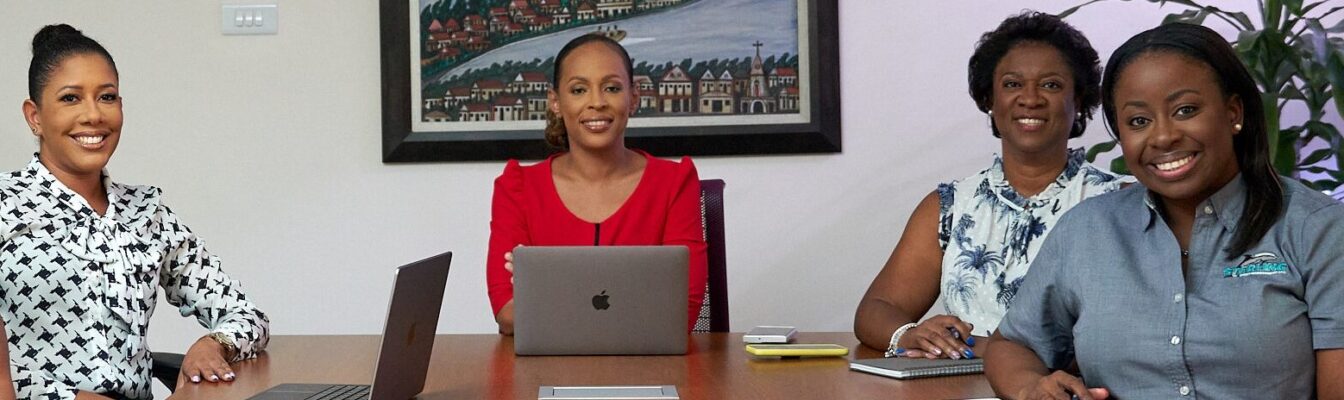
From newlyweds to empty nesters: Sage advice from the women of Sterling Asset Management

/ Our Today
administrator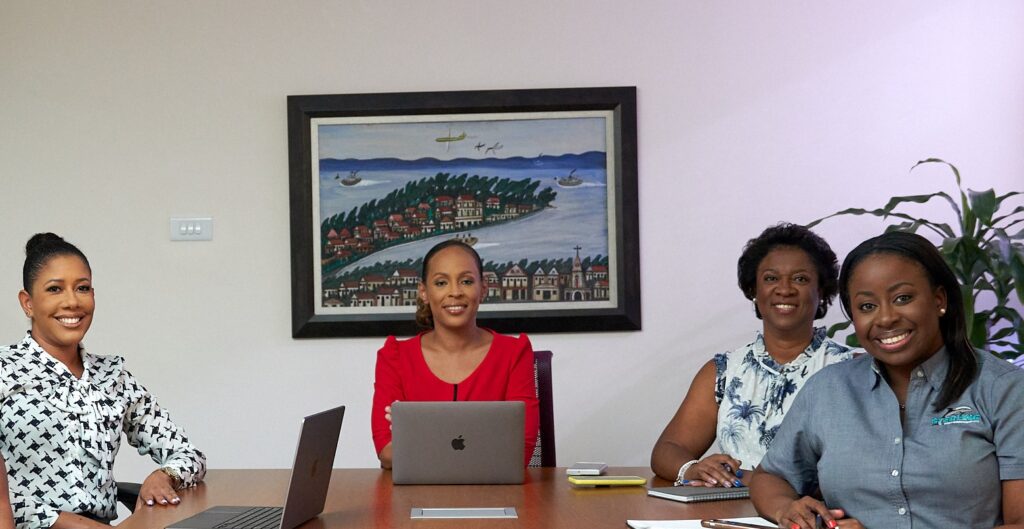
From the bliss of newlywed life and the whirlwind of new motherhood to the transition of the empty nest and the independence of single life in their 30s, women face a myriad of financial circumstances across their lifetimes.
To gain insights into these varied experiences, we spoke with a diverse foursome of women from Sterling Asset Management: Toni-Ann Neita-Elliott, VP of sales & marketing, who juggles in her 40s marriage, and recently motherhood with the arrival of twins; AVP Personal Financial Planning Anna-Joy Tibby, a soon-to-be newlywed who will be navigating the exciting journey of matrimony; and Christine Rankine, manager of personal financial planning, who confidently embraces her single life in her 30s; and AVP ofMarketing & Communications Michelle Valentine, who will soon be an empty nester.
We sat down with these Sterling women to get their unique perspectives:
In your experience, what are women’s most common financial mistakes, and how can they avoid them?
Anna Joy Tibby: In my experience, some common financial mistakes women make are needing more savings for retirement, being afraid to invest, or even investing too conservatively. In addition, women are less likely to negotiate their salaries or ask for raises. If this is you, I would encourage you to reframe these common mistakes as “learning opportunities” and start making changes to avoid them going forward. First, start saving in a pension plan or growth fund and set up standing order instructions to add to it every month consistently. It’s time to leave your comfort zone and seek professional advice from a licensed advisor who can help you navigate this. Working with a financial advisor can help create a personalised financial plan. Lastly, developing a long-term financial plan and regularly reviewing and adjusting it can help women stay on track with their financial goals.
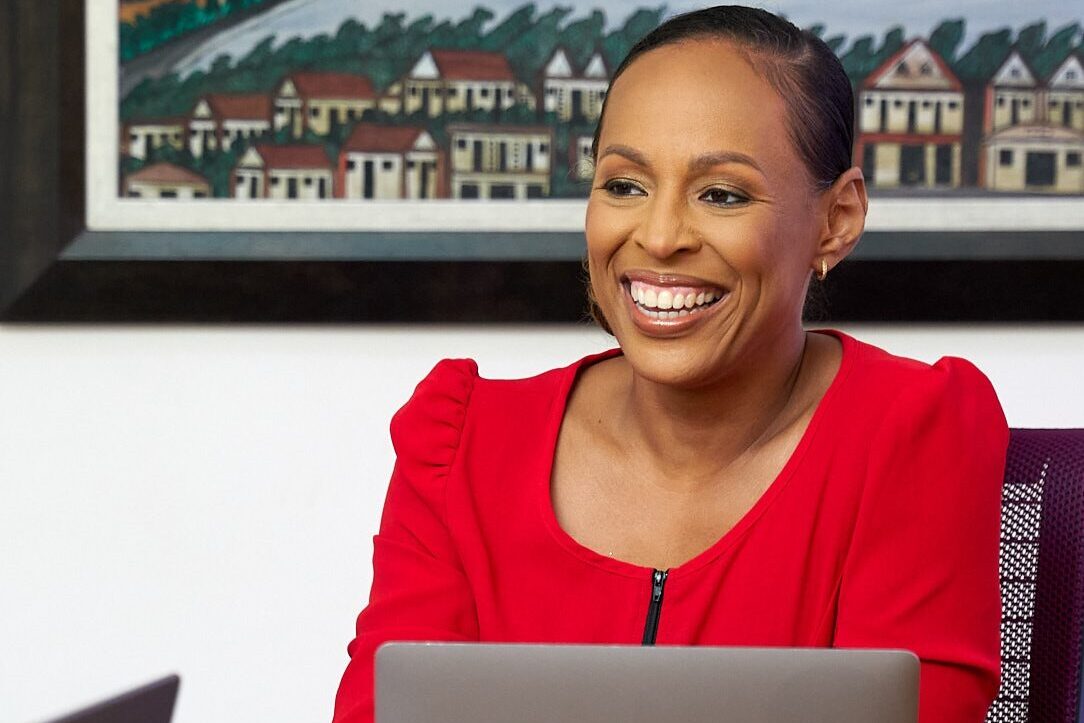
What financial strategies do you recommend for single women in their 30s focused on building their careers and financial independence?
Christine Rankine: Set your financial goals and be disciplined. You are more likely to stick to an achievable, actionable goal than a random one. Once you’ve set the goal, save a small percentage until you can build up and put away more. Invest in a growth product that gives good returns. Also, if you haven’t started yet, put away incremental amounts in your pension plan. If your company does not provide one, start one independently with a licensed institution. Assess your risk appetite. You are at a stage where you can be more aggressive in your investing pattern.
What financial advice would you offer to those navigating the complexities of marriage?
Toni-Ann Neita-Elliott: Establish a transparent dialogue about financial expectations, habits, and goals; everything will lead from there. Discuss your debts, assets, and spending patterns to create a joint budget aligning with your objectives. If you are both earning an income, you should consider maintaining joint and individual accounts to accommodate personal spending while contributing to joint expenses and savings- this will save a lot of arguments! Establish an emergency fund to handle unexpected costs and protect against financial instability.
Additionally, consider obtaining life and critical health insurance and drafting wills to protect each other in the event of unforeseen circumstances, especially once children come into play. Regularly revisit your financial plan to accommodate income, expenses, and goals changes. Remember, financial harmony in marriage stems from trust, compromise, and a shared commitment to building a secure future together.
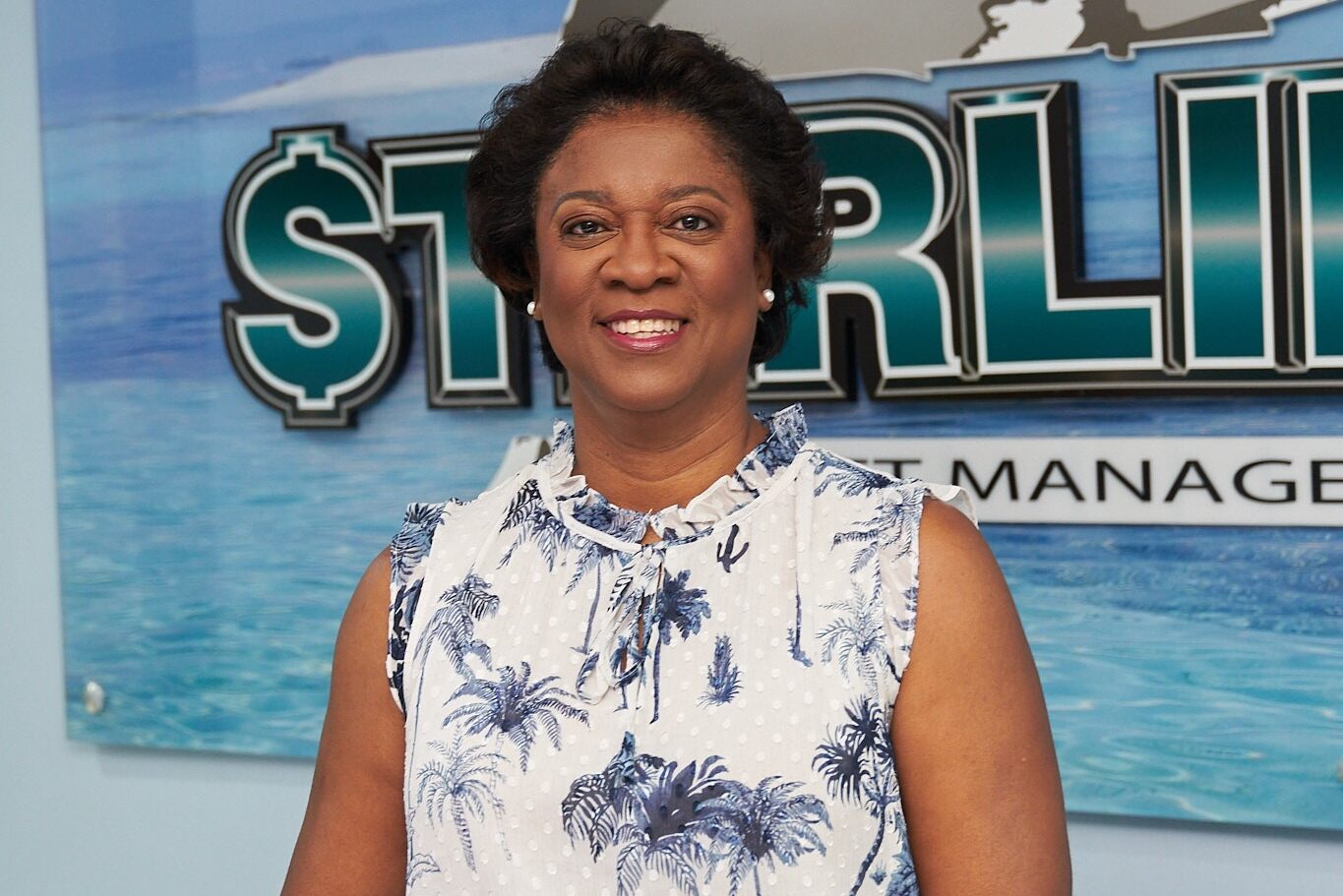
As women transition into the empty nest stage, what financial considerations should they prioritise to ensure a secure and comfortable future?
Michelle Valentine: The empty nest stage is a challenging time for women. It’s not easy to let go of our children (even though they’re legally adults) and start the new journey of not seeing them every day and being actively involved in their lives. However, many more possibilities are open to you now that you have much more time and fewer responsibilities. Regarding finance, you should review and adjust your budget and reallocate funds towards retirement savings or other financial goals. Diversify Investments so your portfolio can help mitigate risk and potentially increase returns over the long term. Build and maintain emergency savings. As more unexpected expenses or emergencies arise, this is crucial as we age. It would help to have enough savings to cover at least three months’ living expenses.






Comments