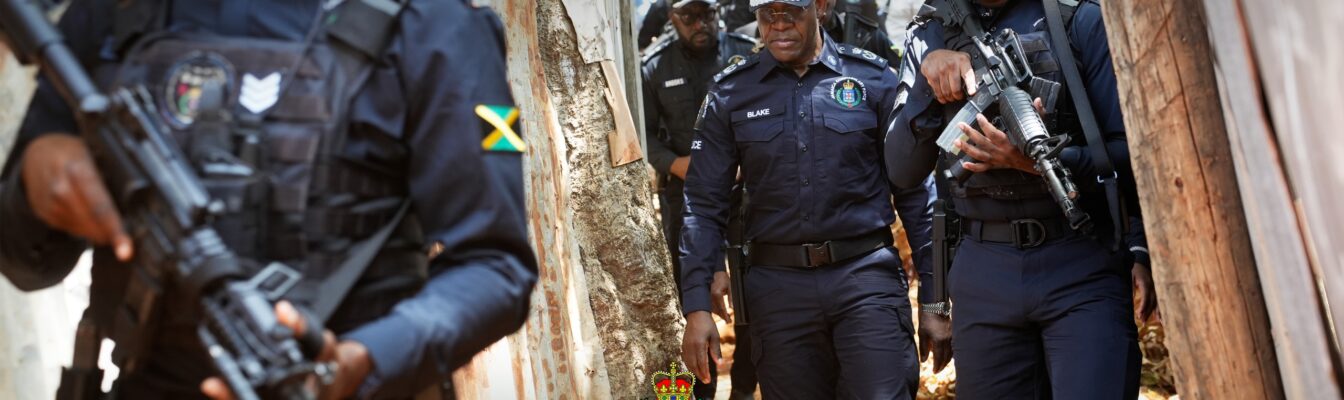
INDECOM flags operational practices regarding planned police operations

/ Our Today
administrator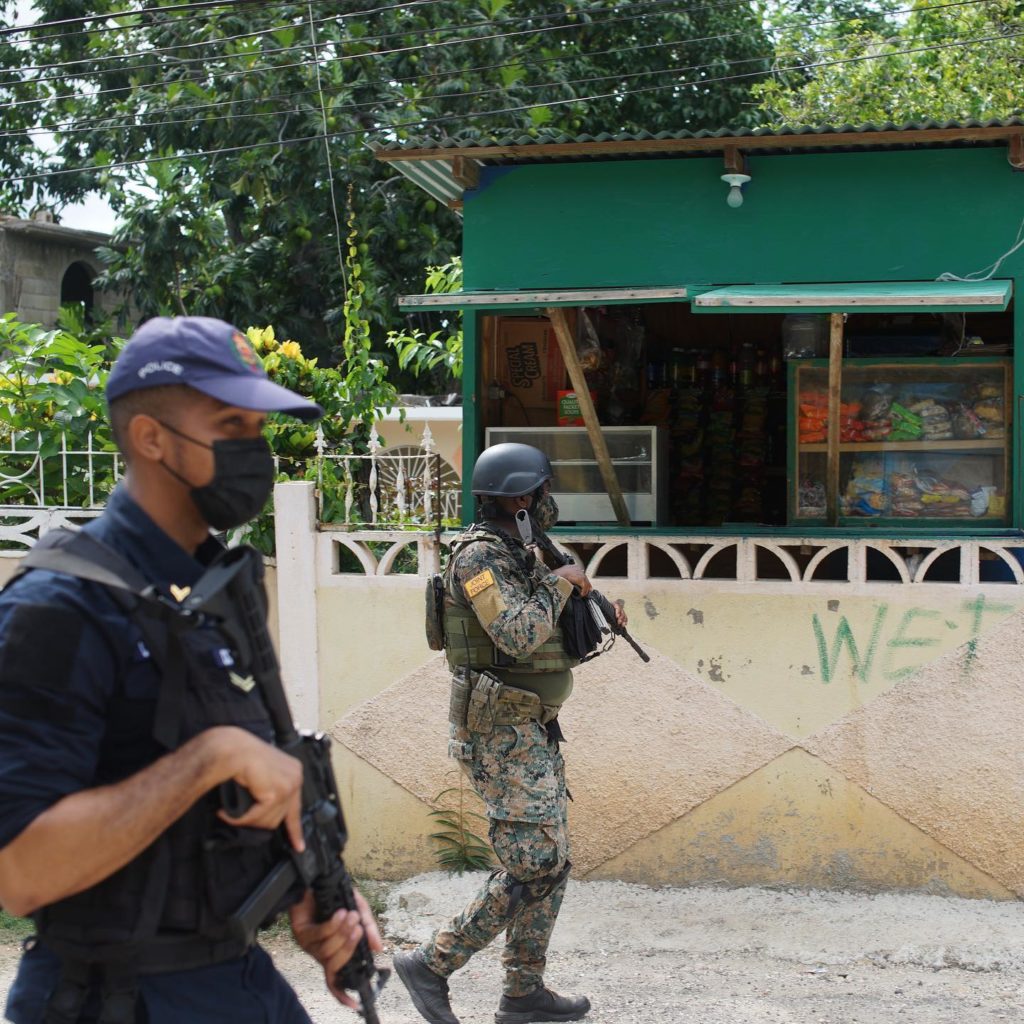
Durrant Pate/Contributor
The Independent Commission of Investigations (INDECOM) is pointing to glaring weaknesses in the execution of many planned police operations (PPOs), which it cites as possible reasons for the rising number of fatal shootings.
INDECOM has monitored and reviewed fatal police shootings arising from PPOs since 2013 and is reporting that during the period, January 1, 2024, to July 31, 2025, 379 people have been shot and killed by the police, of which 173 occurred during a PPO, representing 46% of all shooting fatalities in just over a year and a half. The proportion of security-force-related deaths arising from PPOs is an important and relevant measure when assessing the proportionality and necessity of ‘use of force’ tactics.
In an 18-page report titled, ‘Special Investigative Report: Planned Police Operations’, INDECOM cites a weak command structure in PPOs where an analysis, “shows the absence of senior command (Superintendent rank) in some cases where a fatality occurs. In 2022, the number of PPOs where teams were led by an officer below the Inspector rank was four of the 21 PPOs. In three of those instances, there were no recorded plans available to the Commission. In 2023, a further four PPOs were led by a Sergeant rank or lower (17% of the 23 PPOs), in which two PPOs had no plans. In 2024, 24 PPOs were led by an officer below the rank of Inspector – some 37% of 64 PPOs where a fatality occurred. Eleven of those 24 PPOs, were led by a Sergeant or lower and had no search warrant.“
This report comes at a time of increased annual fatal shootings and sets out the information and facts regarding the continued increase in deaths involving the security forces, and also the increased number of deaths occurring during PPOs. In 2019, fatal shooting incidents arising from planned operations amounted to only ten people, and accounted for just 12% of all fatalities. In 2025 (as at 31 July), deaths during planned operations have reached 97 and represent 51% of all fatal incidents.
Not in line with international best practices
In the report, which was tabled in Parliament on Tuesday, INDECOM made reference to the Caribbean Human Rights and & Use of Force Policy and the United Nations Office on Drugs and. Crime (UNODC) resource book on Use of Force and Firearms in Law Enforcement and other international protocols, which recommends that planned operations be led by a senior officer. “The Commission regards the absence of senior rank and effective oversight as a likely contributor to the increase in fatalities. This same feature was identified in INDECOM’s 2014 report – Command Responsibility. A few PPOs in this current review, which occurred without documented plans or warrant, had been undertaken by only Constable/District Constable rank officers with no superior officer oversight,” the police oversight body highlighted in its latest report to the legislature.

Analysis of the 131 deaths arising from PPOs during the three years 2022-2024 illustrates a practice within planned operations which remains of concern and which continues to be observed in 2025. In the majority of cases, INDECOM says “the only account provided is that of the JCF (Jamaica Constabulary Force) but where there have been other witnesses, they provide a contradictory version of events.” Another repeated feature emphasised by INDECOM “is the absence of documented plans in some instances. Whilst the 2015 review recorded that only one plan was produced, this has changed considerably. Whilst the absence of documented records has, to a far greater extent, been remedied, and many plans are fulsome and well documented, it is observed that 13% of the PPOs in this current study still occurred without plans.”
According to INDECOM, “the JCF report that such entry and searches, without plans, are a feature of the ‘snap raid’, yet this does not remove the obligation to provide plans for armed operations. Some planned operations, whilst without plans, did have search warrants, which is indicative that there was time and consideration to have documented an operational plan and tactics. The absence of written plans in conducting entry and search operations is not only contrary to the JCF’s own policy, but is, perhaps, demonstrative that ‘right to life’ issues have not been sufficiently considered and addressed, in some instances.”
Disquieting increase in fatal shootings occurring during PPOs

Pre-2018 PPO fatalities, as a proportion of the number of security force fatalities, were over 20% in each year. The introduction of a focused accountability regime sought to create an environment for JCF compliance and contributed to a significant reduction in fatalities occurring during PPOs between 2018 – 2021. In 2019, the number of persons killed during a PPO was the lowest, at 10 and in 2021, PPO fatalities were 9% total fatalities, when eleven men were killed. However, since 2022, there has been a marked and disquieting increase in fatal shootings occurring during PPOs.
From the low of eleven persons fatally wounded in 2021 to 76 in 2024, representing a 591% increase in deaths arising from planned police operations in 36 months. This continuing policing tactic is observed in the first seven months of 2025 (January – July), where ninety-seven (97) people have been killed during a PPO, representing 51% of the 190 fatalities in 2025 (as of 31 July).
INDECOM cites that allaying of public and community mistrust is now paramount to a policing model which seeks the fullest cooperation of its citizens noting “the seemingly entrenched position of the High Command to not reconsider and reflect on the necessity to redistribute some of the current body work cameras (BWC) resources to those teams which conduct planned operations, where there has now been a significant increase in deaths, is one which the Commission cannot agree. The Commission is unapologetic in its repeated recommendation to both Parliament and the JCF that BWCs must be prioritised to be deployed during planned operations.”
Aside from the strategic issue concerning BWCs, the INDECOM report “identifies a range of other issues, which require addressing by the JCF, and makes recommendations which it is hoped will assist in supporting a change to the JCF’s operational practices with regard to planned operations. Such tactical observations are identified concerning CCTV evidence, search warrants, documented plans, firearm exhibit recovery, and stricter controls over suspected persons. These areas will all benefit from the implementation of our listed recommendations. This report highlights the issues which give cause for concern, and recommendations and observations are intended for the issues as identified.”



Comments