
DBJ’s Dr Lowe shares strategies for resilience, growth in post-Melissa Jamaica
Josimar Scott / Our Today
author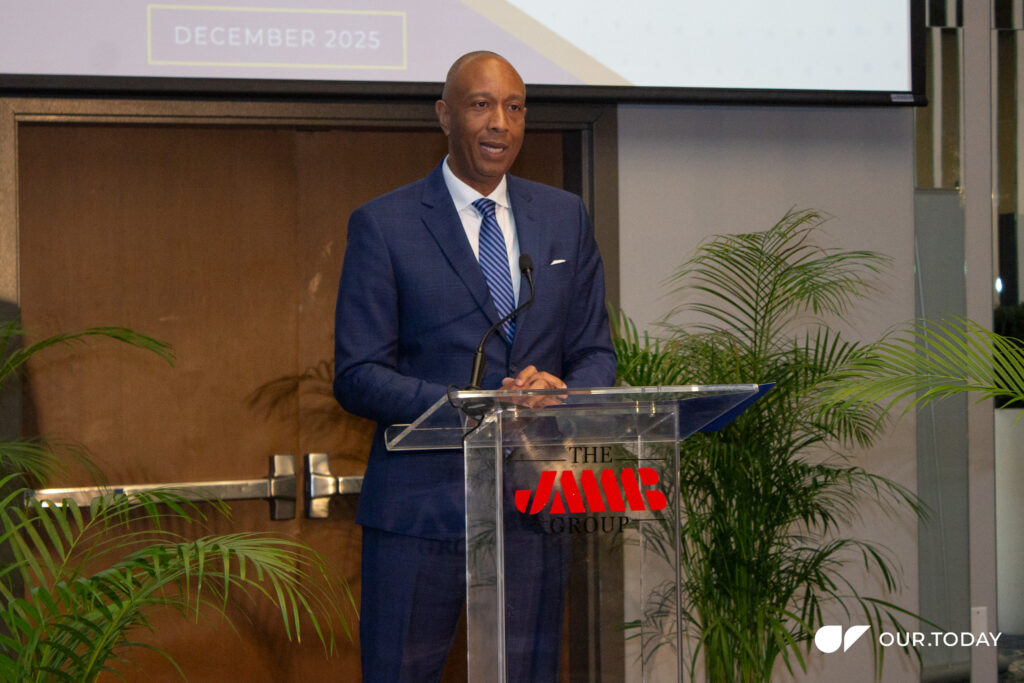
(OUR TODAY photo/Olivia Hutchinson)
With the passage of Hurricane Melissa still fresh in the minds of Jamaicans, private sector representatives were encouraged to rethink traditional strategies and embrace resilience-driven models as the country navigates the economic and operational shocks triggered by the Category 5 cyclone.
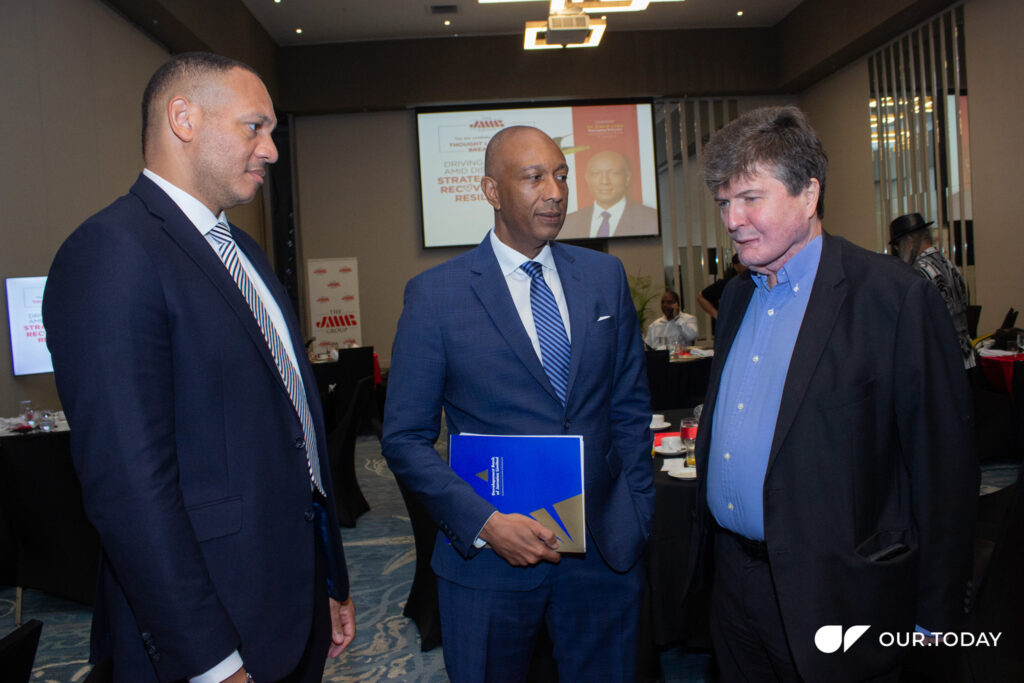
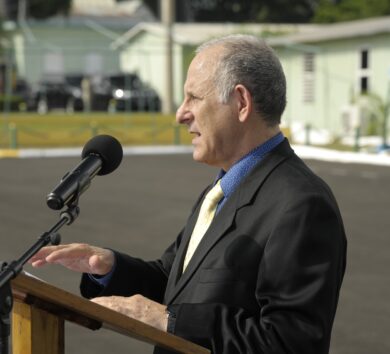
Keynote speaker at the JMMB Group’s Thought Leadership breakfast, Dr David Lowe, on Thursday, December 4, 2025, engaged business leaders in a presentation titled, ‘Driving Growth Amid Disruption: Strategies for Recovery and Resilience’ at the AC Hotel Kingston.
The managing director of the Development Bank of Jamaica underscored the historical impact of Hurricane Melissa on Jamaica’s economy and society, having erased nearly eight years of economic progress and creating an estimated US$8 billion in damage.
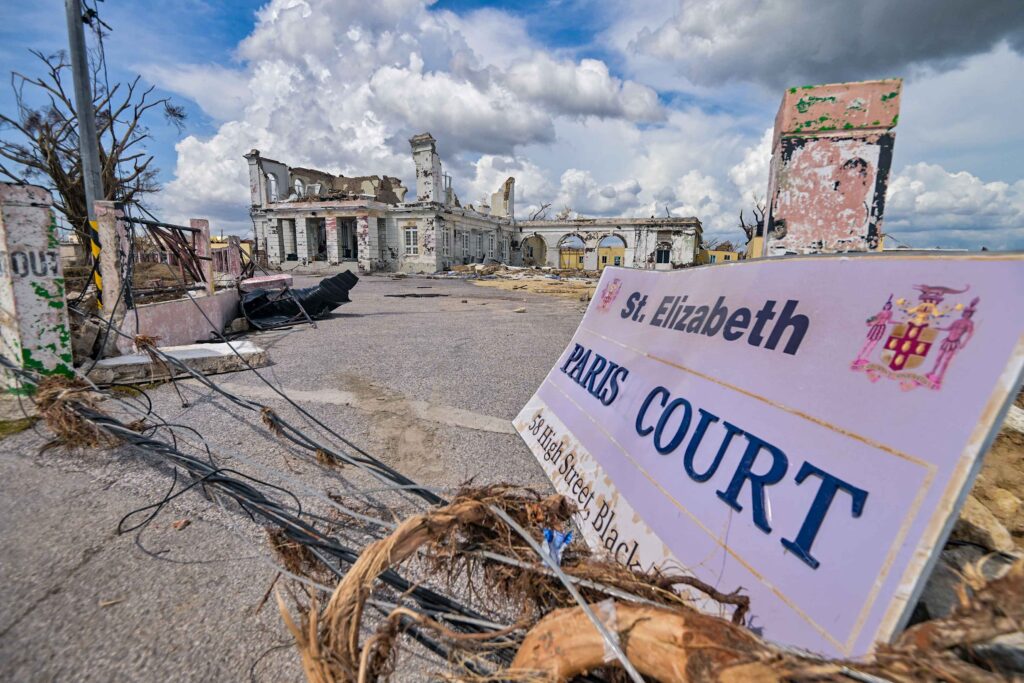
Beyond the physical destruction, the storm disrupted supply chains, displaced communities, and strained critical infrastructure, underscoring the urgent need for businesses to rethink resilience strategies and prepare for a future where climate-related shocks are no longer rare events but recurring realities.
According to Dr Lowe, globally, the economic toll of climate-related disasters continues to escalate, with 27 major weather and climate events in the United States costing an estimated US$182 billion in 2024. In the same vein, he said that countries like the Philippines lose approximately 3 per cent of their gross domestic product annually to climate shocks.
These figures underscore the reality that climate disruption is not isolated; it is a systemic challenge that demands urgent, coordinated action from businesses and policymakers alike, he asserted. and
Pivoting to a new paradigm
In light of these realities, Dr Lowe emphasised that Jamaica is at an inflexion point and must embrace a new paradigm. While noting that disruption is no longer an exception but the new operating environment, driven by climate change, geopolitical shifts, and technological evolution, he noted, “Traditional playbooks no longer work”.
“Recovery must go beyond replacement; it must focus on resilience, transformation, and creating new growth platforms. Every dollar spent should reduce vulnerability and strengthen capacity for future shocks,” the DBJ managing director urged.
Rather than focusing on crisis response, private sector players can pivot, Dr Lowe pointed out, to long-term resilience and transformation with the help of a comprehensive framework for recovery built on six interconnected pillars. He urged businesses to rebuild with climate-smart infrastructure that reduces vulnerability, while restoring economic stability through targeted support such as emergency liquidity for MSMEs and rapid insurance payouts.
Tools for rebuilding better
For the private sector to create new competitive advantages, it must prioritise transformation by leveraging renewable energy, climate-smart agriculture, and digital innovation, Dr Lowe reasoned. At the same time, he called for strengthening Jamaica’s financial systems through instruments like catastrophe bonds and risk-sharing mechanisms to safeguard against future shocks.
The DBJ head also emphasised empowering human capital with skills for green and digital jobs and fostering community-led rebuilding efforts. He also made the case that strong institutions and real-time data are essential for informed decision-making and transparent public-private partnerships that enhance disaster response and resilience.
While Hurricane Melissa has left Jamaica with an unimaginable reality, Dr Lowe highlighted that the challenges also present believable opportunities. They include moments to innovate, collaborate, and build systems that can withstand future shocks. For business leaders, this is not just about recovery; it is about reimagining growth in a world where disruption is the norm.
A space for dialogue and collaboration
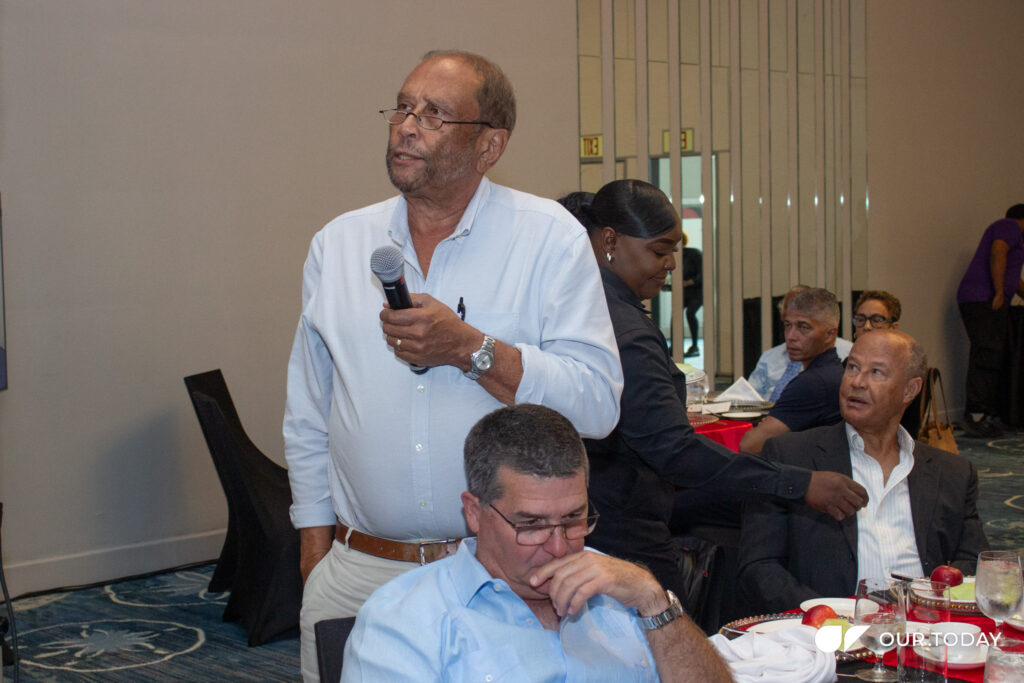
Moderator for the event, Alwayne Cousins, JMMB Group’s country manager and client partnership officer, highlighted the importance of the forum for Jamaica’s business community.
“In the aftermath of Hurricane Melissa, businesses are grappling with uncertainty. We believe it is critical to create spaces like this for dialogue and collaboration, so leaders can access insights that help them navigate challenges and uncover opportunities for sustainable growth,” he told the audience.
For JMMB Group, hosting the event served to foster dialogue and the sharing of actionable insights to empower businesses to build resilience and drive progress.




Comments