Dr Audrey Hinchcliffe | After the hurricane—public health and safety

/ Our Today
administratorFrom emergency response to the foundation for economic recovery
It is now over one month since Hurricane Melissa dealt the country its devastating economic (knockout) blow, sparing no sector in its path, particularly in the western section of the island.
The emergency response was as swift as allowable, depending on the strength of the infrastructure and systems which were in place prior to, and leading up to that unforgettable day – Tuesday, October 28, 2025.
The foundation for economic recovery after the hurricane is that “we are all in this together.”
Usually, we hear of task forces being formed after national emergencies, for example, the COVID-19 Economic Recovery Task Force. Already, there is the Technology Recovery Task Force to restore and modernise critical digital services after Hurricane Melissa.
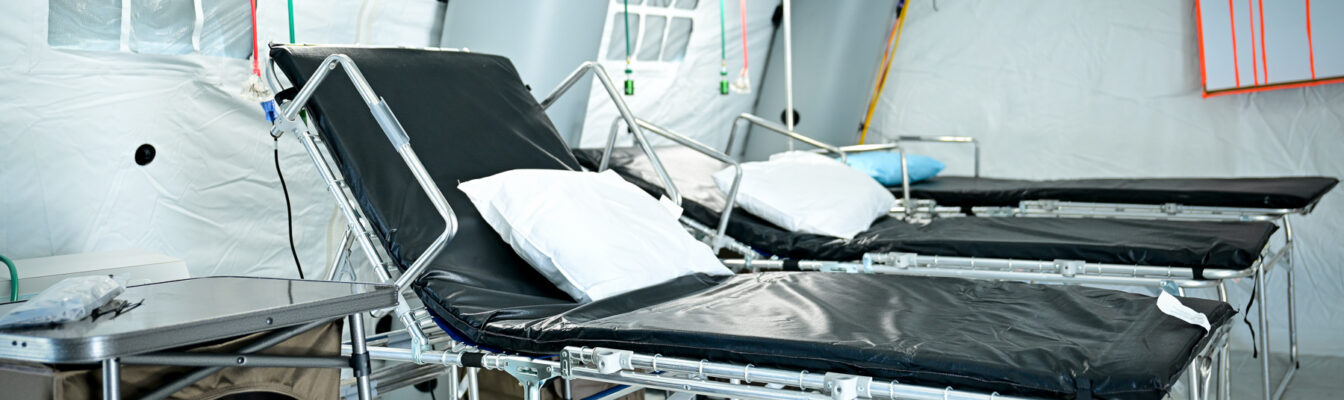
I am of the view that at this time it would be a good idea for a Public Health and Safety Task Force to be established.
The COVID-19 Economic Recovery Task Force already created the foundation for public/private partnerships. What must be avoided are new groupings operating in silos – uncoordinated – in their quest to provide services. Healthcare is too important to fall to splinter groups in the name of emergency response and recovery.

Reference is made to the launch of the COVID-19 Economic Recovery Task Force (April 2020) and specifically a remark by Dr Nigel Clarke, then finance minister, who stated: “we want to position ourselves to be able to take advantage of the opportunities that a post-COVID global economy offers, as well as to ensure that we take account of the realities of post COVID-19.”
Today, if we believe that public health and safety are vital for economic recovery after the hurricane, then Clarke’s statement holds true and can be applicable to our handling of Hurricane Melissa.
Delays in restoring the public health and safety infrastructure (refer to my previous article on infrastructure) can significantly slow down long-term economic recovery.
Economic recovery pathway
A healthy population is essential for a functioning workforce. After a hurricane, disease outbreaks (which some areas of the island are already experiencing), or worsening chronic health conditions, will lead to loss of income and suppress productivity.

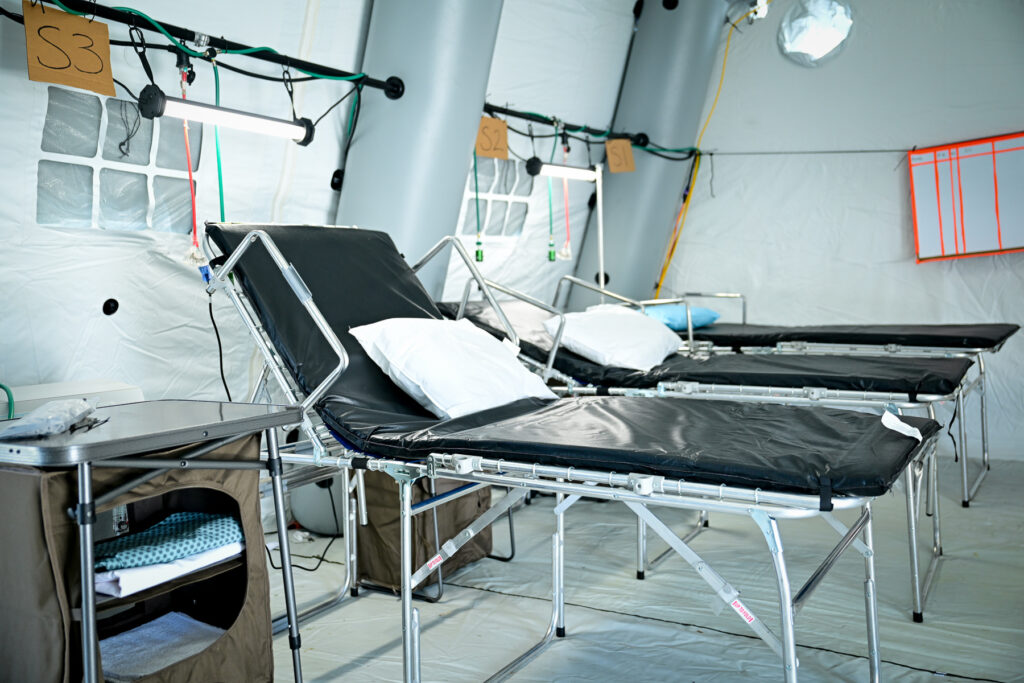
Damaged health facilities – hospitals and health centres – disrupt and delay healthcare delivery. If the damaged health infrastructure is not addressed promptly, further health complications may arise, placing additional strain on economic resources.
Communities’ well-being and productivity must also be addressed promptly to minimise mental health issues, hence the need for early intervention by specially trained health professionals.
Safe food and water are essential for health. Illness will delay the opening of businesses such as markets, stores and support services.
Integrating public health and safety into post hurricane economic recovery plans helps to build a more resilient community and ensures a faster, more sustainable return to normal economic activity.
Therefore, for public health and safety to be truly recognised as the foundation for economic recovery, the health infrastructure must be appropriately resourced.
The COVID-19 Economic Recovery Task Force tagline is “Rebuild Jamaica.” I submit that for a Public Health Task Force for Economic Recovery, the tagline can be “We are all in this together.” This signals the need for a robust public- private partnership. This is based on my belief that economic development relies on the collaborative efforts of government, business, and civil society, each playing an integral role in driving progress. COVID-19 proved that this is possible with all hands on deck.
Dr Audrey Stewart-Hinchcliffe is the chairman of Manpower & Maintenance Services (MMS) Limited Group. Send feedback and comments to [email protected].



Comments