
Ambraee Houslin | Cut the rates, cut the drag: Why Jamaica must ease now to power a post‑Melissa recovery

/ Our Today
administrator
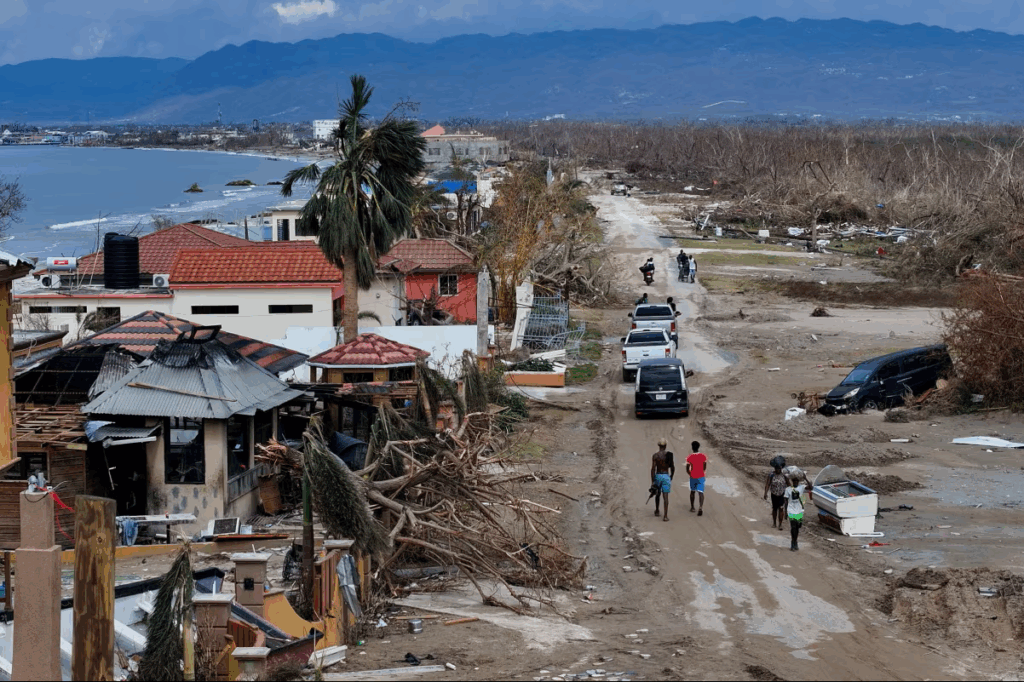
When Hurricane Melissa slammed Jamaica in late October, it didn’t just flatten roofs it flattened growth.
The Planning Institute of Jamaica (PIOJ) now projects a double‑digit GDP contraction (11–13 per cent) for the October–December quarter and a three–six per cent decline for FY2025/26, the island’s sharpest quarterly plunge since the pandemic era. Tourism room stock, airport operations, farm output, and power grids were battered; physical damages are estimated at near US$8.8 billion (approximately 41 per cent of GDP), a generational shock that eclipses the capacity of “wait‑and‑see” monetary policy.
The good news: Jamaica has already mobilised US$6.7 billion in coordinated international financial institutions (IFIs) support and US$662 million of rapid liquidity via catastrophe financing and contingent lines. But money on paper does not equal money in motion. With private credit transmission historically sluggish, a timely, calibrated policy rate cut is the difference between a sputtering recovery and a broad‑based reconstruction boom.
The case for easing now
The Bank of Jamaica (BOJ) held the policy rate at 5.75% in November to anchor inflation expectations and FX stability in the immediate aftermath. That prudence was sensible. But prudence isn’t paralysis. As supply chains normalise and reconstruction accelerates, the recovery needs cheaper working capital for farmers to replant, contractors to rebuild hotels and roads, and SMEs to restock and rehire. This is not radical; analysts were already arguing for 25–50 bps of easing before Melissa, citing low inflation and weak demand. Post‑shock, the growth imperative is stronger still.

Yes, food‑price spikes are likely as agriculture restarts. But we’re dealing with temporary cost‑push effects, not demand‑driven overheating. Meanwhile, FX buffers and IFI inflows support macro stability. A measured rate cut, paired with BOJ’s FX operations and targeted liquidity windows, can lower borrowing costs without unanchoring prices precisely the balance BOJ committed to strike.
What economic precedents exist, what other developing economies did—and what happened
We’re not flying blind. Countries with slow credit pass‑through and similar disaster dynamics have eased policy rates (or deployed rate‑like facilities) to kick‑start rebuilding, despite inflation risks.
Indonesia (earthquake, tsunami Risks; sluggish credit growth)
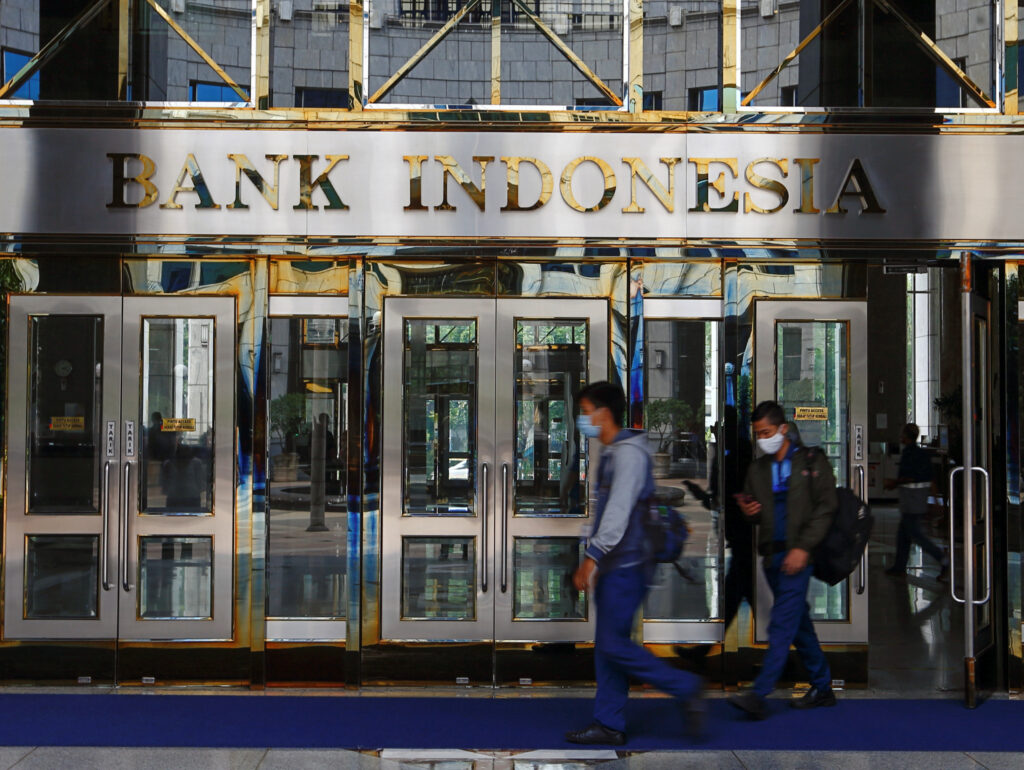
Bank Indonesia (BI), the country’s central bank, cut its benchmark rate in multiple “baby steps” through 2024–2025; six cuts totalling 150 bps (basis points); explicitly to push demand and credit while defending the rupiah with interventions and macroprudential measures. Outcomes? Record equity highs, a firmer currency on decision days, and improving bank lending growth off a low base. BI also expanded open‑market operations and secondary‑market bond purchases to improve monetary transmission. This is textbook “ease while stabilising.” Jamaica can copy the choreography: small cuts with foreign exchange operations and macroprudential tools.
Fiji after Cyclone Winston (2016; thin markets, slow pass‑through)
The Reserve Bank of Fiji (RBF) kept its policy rate at 0.5% but immediately activated a Natural Disaster Rehabilitation Facility (NDRF); a rate‑subsidized line for banks, development banks, and credit institutions. Result: fast credit to households and SMEs for repairs, a pivot to reconstruction demand, and positive GDP growth the very next year, led by construction and agriculture rebound even with temporary food inflation. For Jamaica, a preferential‑rate refinance window alongside a modest policy cut could emulate this success.
Philippines (Typhoon disruptions; cautious easing in a developing credit system)
The Bangko Sentral ng Pilipinas (BSP) executed sequential 25‑bp cuts through late‑2024 and 2025, citing benign inflation and weaker growth. BSP emphasized “baby steps” to avoid inflation rebounds; exactly the cadence BOJ can adopt. The easing coincided with rebound in domestic demand after weather‑related disruptions and supported bank lending recovery.
Dominica & the ECCU after Hurricane Maria (2017; fixed exchange peg, constrained tools)
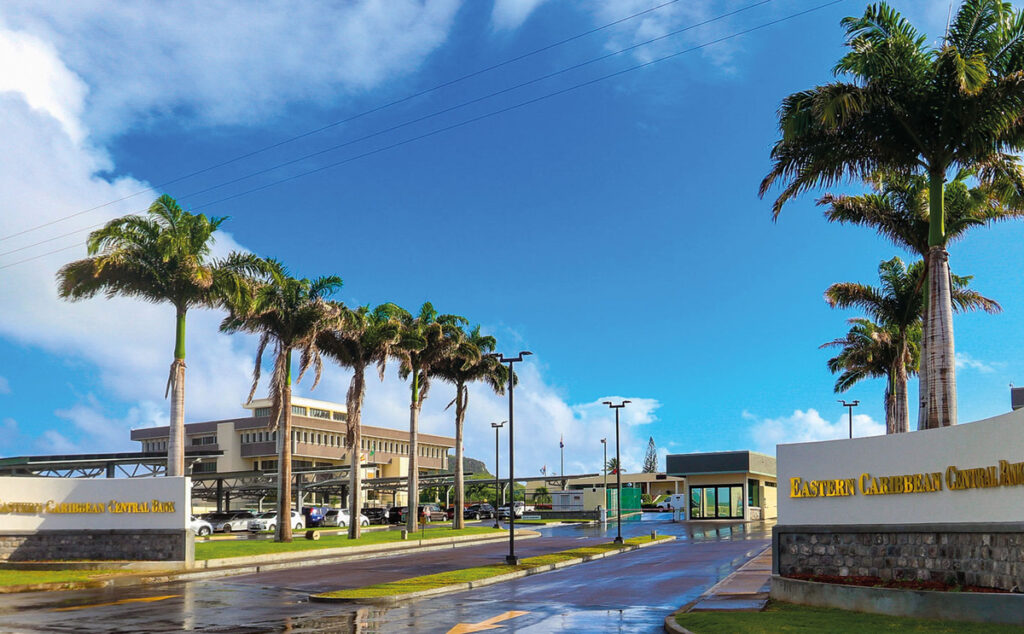
In a currency union with a hard peg and limited market instruments, the Eastern Caribbean Central Bank (ECCB) relied on credit conditions and liquidity more than headline rate shifts, while IFIs supplied reconstruction lines. Even in this constrained setting, targeted credit and concessional financing drove the recovery. Lesson for Jamaica: if concessional lines exist, amplify them with lower domestic funding costs so commercial banks pass relief through to customers faster
Nepal after the 2015 earthquake (weak transmission; heavy IFI support)
The Nepal Rastra Bank used a policy mix of liquidity support, microfinance refinancing, and regulatory forbearance to complement reconstruction funds. While direct rate moves were limited, credit channels were unclogged, and reconstruction demand lifted output from near‑stagnation to expansion as rebuilding took hold. Jamaica’s banking system, sound but cautious, would benefit from rate‑supported refinance and MSME lines to accelerate pass‑through.
The growth math: What 25-50Bps can unlock
Now, what would this growth look like, possibly with a rate cut in tangible terms for the Jamaican economy?
§ Construction & MSME finance: Each 25 bp cut trims debt service for contractors and hotels juggling bridge loans for repairs compounded across thousands of borrowers, these releases working capital for payrolls and materials. BI and BSP experiences show that small cuts accumulate, nudging banks to lower lending rates and expand credit.
§ Agriculture restart: Jamaica’s seven hardest‑hit parishes account for roughly three‑quarters of domestic crop acreage. Lower rates on input financing accelerate replanting cycles, reducing food inflation duration and import dependence
§ Tourism reopening: With 26+ resorts shut and staggered reopening, easing helps chains and independents refinance capex, bring rooms back faster, and restore employment for thousands. Tourism spillovers (taxis, craft vendors) return only when rooms do.
Critically, Jamaica’s US$6.7 billion recovery package acts as a stabiliser: BOJ can ease without losing credibility, because external financing backstops FX and fiscal space. Cat bonds, CCRIF, and contingent credits already supplied US$662M in early liquidity, add domestic rate relief, and you turn liquidity into local lending.
A pragmatic playbook for BOJ
§ Cut 25–50 bps in “baby steps.” Signal a growth‑supportive stance while reiterating inflation vigilance and FX stabilisation tools. (Indonesia/Philippines precedent.)
§ Stand up a Post‑Melissa Refinance Window. Provide preferential‑rate term funding to banks for loans in agriculture, construction, tourism, and MSMEs, mirroring Fiji’s NDRF. Publish transparency on bank lending‑rate pass‑through.
§ Targeted Regulatory Forbearance. Time‑bound relief on classification/ provisioning for disaster‑affected loans to prevent cliff effects, like Nepal’s toolkit
§ Maintain spot/DNDF operations; reinforce lines for priority imports (fuel, cement, food), keeping inflation expectations anchored as rebuilding drives demand. (BI operational template.) To stabilise the Jamaican dollar after Hurricane Melissa, the Bank of Jamaica can use spot operations, buying or selling foreign currency at the current market rate to smooth sudden swings in supply and demand. Alongside this, Dynamic Non-Deliverable Forwards (DNDFs) allow the BOJ to manage future exchange rate volatility without physically delivering US dollars. Instead, the bank and counterparties agree on an exchange rate for a future date, and at settlement, only the difference is paid in Jamaican dollars. This approach preserves hard currency reserves while signalling confidence in the exchange rate, giving businesses predictability for imports and debt servicing during reconstruction.

§ Public KPIs. Monthly dashboards on credit growth in affected parishes, reopening milestones, and price stabilization build trust and crowd in private capital.
How we address the sceptics
§ “Won’t rate cuts fuel inflation?”
Short‑term price pressures from food and logistics are supply‑side, not credit‑driven. Foreign exchange buffers and targeted import facilitation blunt pass‑through. The risk of entrenched unemployment and business closures is far costlier than a transitory inflation bump. The PIOJ itself expects growth to return by Q4 2026 if reconstruction scale rate relief accelerates that timeline, hence the need for a catalyst for economic growth.
§ “What if banks don’t pass it on?”
To mitigate this, the mitigation can be achieved by tying BOJ’s refinance window to conditional lending‑rate reductions, publish bank‑level spreads, and reward institutions that expand credit to disaster‑hit sectors RBF and BI both combined policy signals with operations to improve pass‑through.
§ “Isn’t the funding by the International Financial Institutions (IFIs) enough”
IFI funds rebuild public infrastructure; private capital rebuilds homes, shops, farms, and hotels. Jamaica needs both. Rate cuts lower the hurdle for private projects to pencil exactly how rebuilding cycles flip from aid‑dependent to investment‑led
So, all this to say what?
Monetary caution saved us from panic. Monetary conviction will save us from stagnation. With US$6.7 billion in external support, robust catastrophe financing, and a clear growth mandate, BOJ should start easing in January 25–50 bps, paired with a targeted refinance window and FX stabilisation. That’s the smart way to cut the drag, unlock credit, and put Jamaicans back to work from farm rows in St. Elizabeth to hotel wings in Montego Bay
Jamaica doesn’t just need to rebuild. We need to re‑accelerate. Cutting rates carefully, transparently, and decisively is how we get there
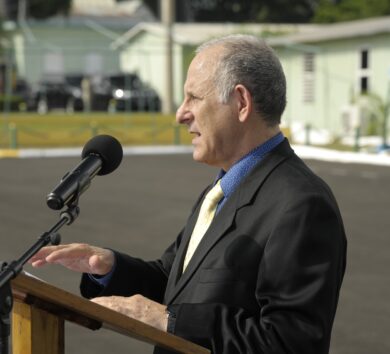
Ambraee Houslin is a private equity strategist with a strong background in economics and statistics. He has extensive experience in investment banking, corporate finance, and investment research across Jamaica and the Caribbean region. His core expertise includes mergers and acquisitions, capital structuring, and executing complex transactions that drive growth and value creation. Ambraee has led and supported deals spanning strategic acquisitions, private credit facilities, and post-transaction integration strategies for high-impact sectors. Send feedback and comments to [email protected].




Comments