

The International Monetary Fund’s (IMF) executive board has approved a disbursement of approximately US$415 million for Jamaica under the Rapid Financing Instrument (RFI).
Such a drawdown of funds will help Jamaica address its urgent balance of payments needs stemming from the devastation caused by Hurricane Melissa on October 28, 2025, and it will complement the resources currently available under Jamaica’s disaster risk financing framework.
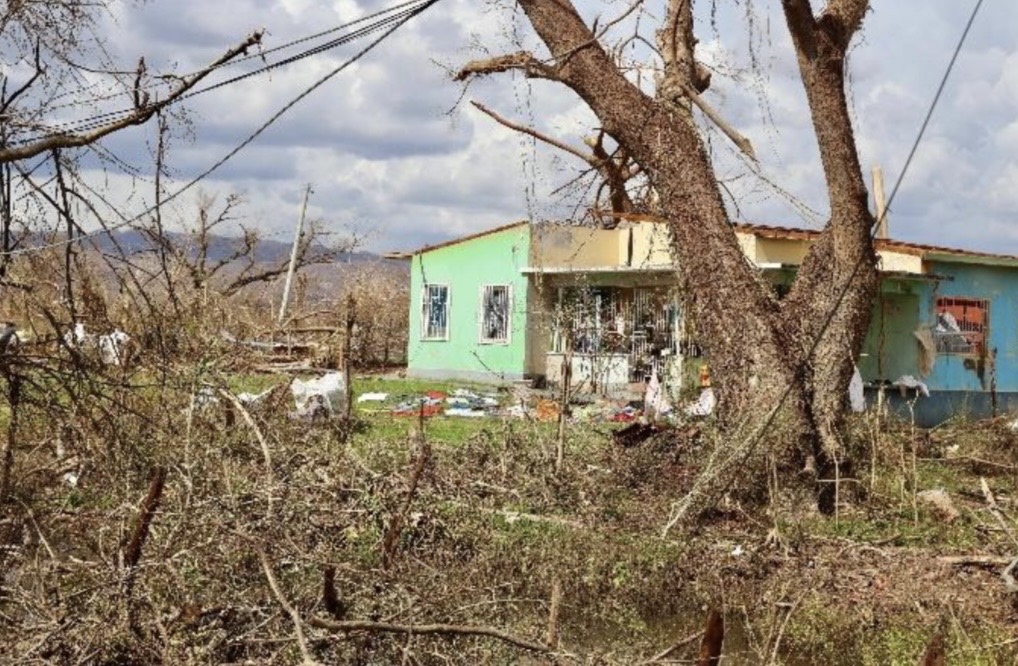
According to the IMF, “Jamaica’s established track record of economic reforms has created buffers that are helping to address the economic fallout and reconstruction needs after Hurricane Melissa. Nevertheless, the widespread damage caused by the hurricane [and] the resulting fiscal pressures and sharp decline in tourism receipts have generated a sizable balance-of-payments need in the short term.”
The IMF has noted that the Government of Jamaica expressed its commitment to supporting the most vulnerable segments of the population in hurricane-hit areas and rebuilding of damaged infrastructure. While the Government understands that the hurricane shock justifies a temporary easing of the fiscal stance, it remains committed to fiscal responsibility and debt reduction once the hurricane shock has receded.
At the same time, the authorities continue to prioritise achieving their inflation target and ensuring financial stability.
IMF Deputy Managing Director Bo Li, who is chairman of the executive board, explained the decision of the multilateral financing partner in a statement on Friday, January 16.

“Hurricane Melissa has caused unprecedented destruction across Jamaica and is projected to have a significant negative impact on growth and create an urgent balance of payments need. Despite Jamaica’s multi-layered disaster risk financing strategy and sound macroeconomic policies over more than a decade, the financial resources available for disaster recovery are insufficient. Consequently, emergency assistance under the Rapid Financing Facility would help to support relief efforts, particularly for the most vulnerable, and accelerate the recovery. Strong collaboration with international partners remains important.
“The authorities’ policy response is helping to mitigate the economic and social impact of Hurricane Melissa. Fiscal policy appropriately aims to provide relief and recovery in the hurricane-affected areas, with a focus on supporting the most vulnerable and rebuilding infrastructure. In this context, the temporary suspension of the fiscal rule is appropriate. The authorities’ commitment to prudent fiscal management and public debt reduction, once the hurricane shock has receded, is welcome. Increased public investment necessitates adherence to procurement best practices and strong coordination to support rebuilding efforts.
“With severe damage to agriculture, the hurricane has caused a significant negative supply shock, which is creating inflationary pressures. The Bank of Jamaica’s commitment to its inflation target remains essential to anchor inflation expectations and contain second-round effects. Limiting foreign exchange interventions to the prevention of disorderly market conditions is appropriate. Continuous supervisory vigilance to ensure financial stability is warranted.
“Building on their demonstrated commitment to credible policy frameworks and economic reforms, the authorities aim to continue prioritising measures to ensure medium-term macroeconomic stability.”





Comments