

Hitting historic lows as fiscal deficit widens
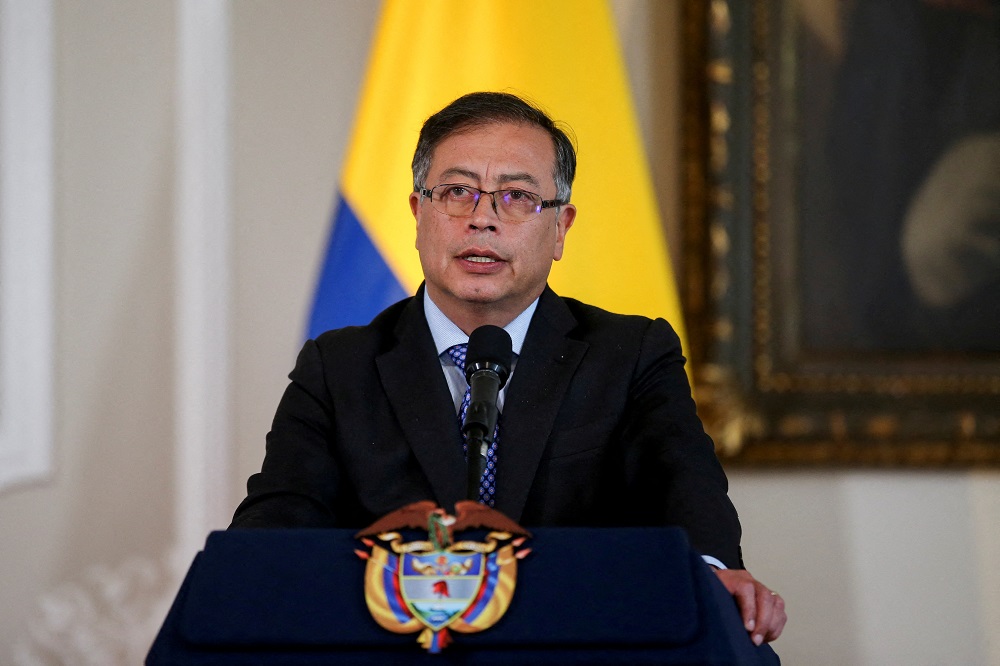
The Colombian peso went into free fall last week, as the country’s newly elected president, Gustavo Petro, continued to announce measures to please his support base.
The currency has lost more than 30 per cent of its value against the US dollar since June this year and almost 10 per cent since the first week of September alone. Last Monday, a single US dollar was traded for almost 5,000 Colombian pesos, forcing Colombia’s central bank to intervene in the forex market.
The sharp fall places the Colombian peso among Latin America’s worst-performing currencies, with Argentina’s peso being the worst performer. Market analysts have warned about stormy weather heading towards the Colombian economy, pointing to the widening fiscal and current account deficits as major factors.
PETRO TOOK OUT US$100-MILLION LOAN FOR LAND REFORM
Nearshore Americas reports that investors have punished the Andean country ever since the election of Gustavo Petro to the presidency. The leftist leader vowed to end new oil exploration, despite oil being a major source of export revenue for the country.
In addition, Petro took out a US$100-million loan from international lenders to push for land reform.
The peso’s devaluation accelerated further as the government began to talk about raising taxes to fund expansion of social welfare programmes.
Most of Colombia’s foreign debt is denominated in US dollars. A weaker national currency may push the country into a debt trap.



Comments