
#AfterMelissa: JN Group CEO urges greater support for children as Jamaica rebuilds

/ Our Today
administrator
Earl Jarrett, CEO and deputy chair of the Jamaica National Group, has stressed the need to safeguard Jamaica’s youngest citizens in the aftermath of Hurricane Melissa, which severely damaged several communities, especially in western parishes.
Jarrett made the appeal while addressing the Early Childhood Colloquium held recently at the regional headquarters of the University of the West Indies (UWI) located at the Mona campus. He warned that the impact of the hurricane poses long-term risks to children’s safety, access to education, and overall well-being.
“I can only think about the children and how they are affected today and the long-term impact on their well-being,” he said, noting that many families now live under open skies, with some schools destroyed and access to potable water and food becoming uncertain.
The two-day event, organised by the JN Foundation in partnership with the UWI School of Education and the Dudley Grant Early Childhood Resource Centre, brought educators, policymakers and sector leaders together to examine the state of early childhood education and chart the way forward.
Describing Hurricane Melissa’s destruction as comparable to the 1907 earthquake, Jarrett underscored the scale of recovery needed. He urged national and regional collaboration to ensure that children remain protected during the rebuilding process, including the possibility of relocating affected students or seeking temporary support from Caribbean neighbours.
“If the need arises as the rebuilding process continues, I call on our Caribbean brothers and sisters to support the protection of Jamaica’s future wealth, our children,” he said.
Against this backdrop, he emphasised the urgency of addressing long-standing gaps in early childhood development. He argued that early childhood education and development must move beyond academic achievement to nurturing empathy, creativity and social balance, thereby creating a better human being.
“It is through training our young children that we can change the trajectory of any society and avoid what Hannah Arendt defined as the ‘banality of evil’,” to explain how highly educated people are involved in antisocial and illegal behaviour.
Jarrett stressed that the positive return on investment in early childhood education is undeniable, especially as the most critical years for brain and social development occur before age five.
He also urged employers to support maternal health by ensuring mothers can attend prenatal clinics.
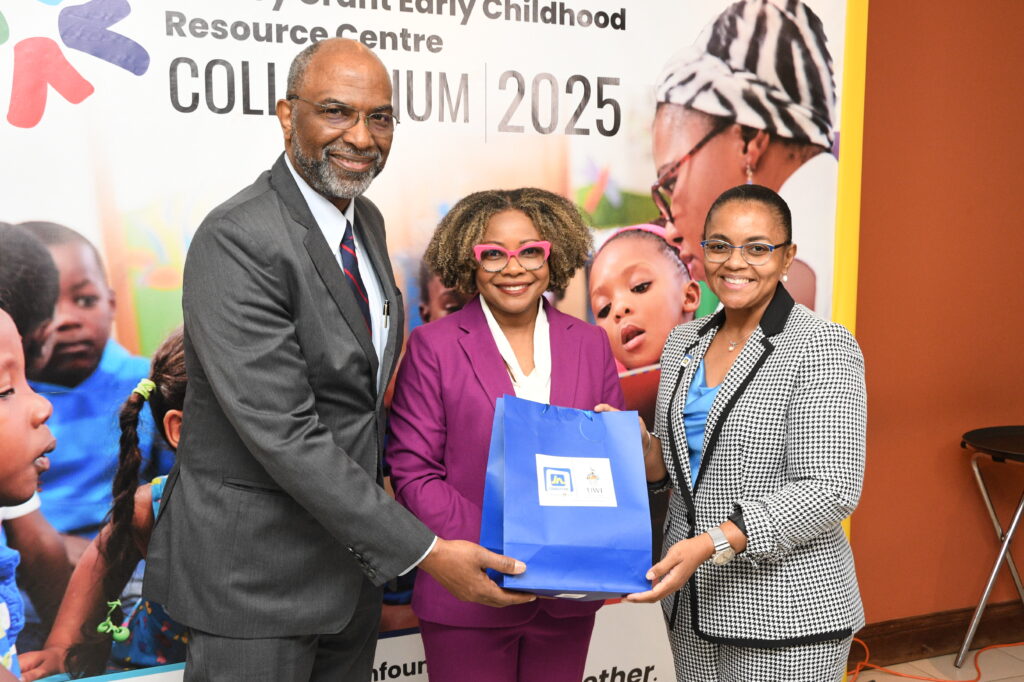
The colloquium also commemorated the work of Dudley Grant, born 110 years ago and widely regarded as the father of early childhood education in Jamaica. The late educator’s philosophy, emphasising play-based learning and the creative use of low-cost materials, continues to shape teaching methods today.
Jarrett highlighted Grant’s “trashables to teachables” approach, his partnerships with the business community and academia, and his influence on policy and international practice.
“He was like an apostle who gathered like-minded persons around him,” he said. “He was a true father of the movement.”
The colloquium saw participants exploring strategies to strengthen early childhood systems across the region. Topics include the development of an effective early childhood policy, the impact of technology on young minds, and ways to build resilience in the sector.
“The outcome of these discussions should help to reaffirm or reframe thoughts and attitudes toward our young children,” Jarrett said. “Providing an enduring early childhood educational framework will lay the foundation for building a strong, literat,e and caring society.”
He said that as Jamaica faces one of its most challenging periods in recent history, the protection and preparation of young children, who are the present value of the future wealth of a nation, must remain at the heart of national recovery.
“Jamaica will need the necessary human capacity for the next 30 years,” he concluded. “We must begin by safeguarding the youngest among us today.”
Meanwhile, Minister of Education Dr Dana Morris Dixon urged early childhood educators and sector partners to adopt a culture of preparedness and resilience, stressing that the lessons from Hurricane Melissa must reshape how Jamaica protects its youngest learners.
Morris Dixon revealed that the ministry is working closely with the Office of Disaster Preparedness Emergency Management (ODPEM) and partners to develop updated emergency preparedness guidelines tailored specifically for early childhood institutions.
“We’re going to have to prepare better than we did,” she said. “There were so many schools that I’ve been to, and we had just put in computer labs, all the computers were wet, damaged, and destroyed. Even how we prepare for hurricanes or any disaster is really very important.”

She announced that the ministry is exploring changes to teacher training programmes to integrate disaster risk reduction content, including making crisis management a compulsory course for pre-service teachers.
The minister stressed that preparedness should not be confined to annual workshops or drills. “We need to live and breathe preparedness… It must become a way of thinking and operating.”





Comments