Agriculture Ministry using data to drive post-hurricane recovery

/ Our Today
administrator
As Jamaica’s agricultural sector recovers from Hurricane Melissa, the Agricultural Marketing Information and Incentives Branch (AMIIB) within the Ministry of Agriculture and Fisheries is using data to guide decisions, stabilise markets and strengthen food security.
AMIIB principal director Kevin Condappa explains that timely and accurate agricultural data has been essential in assessing the damage caused by the hurricane and determining the pace of recovery.
“Especially in light of Melissa, we had critical shortages of staple agricultural products, both in livestock and crops. The information that we provide is used to determine what levels of imports are needed and how long it will take for the sector to recover fully,” he tells JIS News.
The branch monitors key indicators, such as acreage under cultivation, production levels and market activity. This data is processed through five specialised units, including agricultural market research, data analysis, field data collection and information systems, all working together to provide a comprehensive picture of the sector.
Condappa says that for crops such as onions and potatoes, production has surged in recent months, in some cases resulting in oversupply. While this may appear challenging, he notes that it is a sign of resilience and effective intervention.
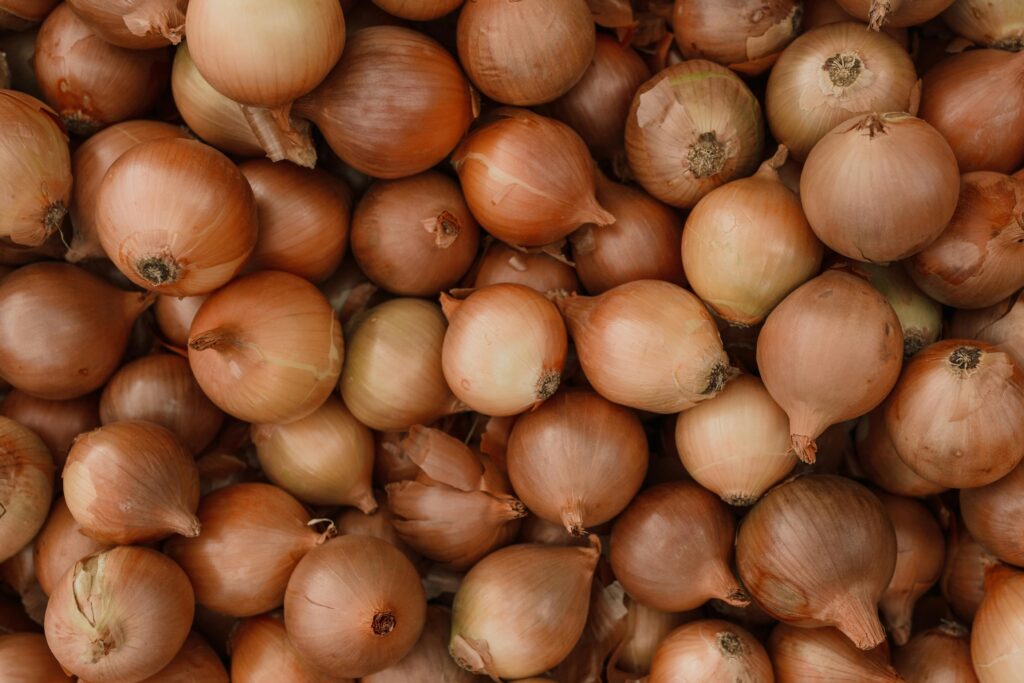
“These increases are not necessarily a bad thing. What we are doing now is working with purveyors to purchase and store produce, so that over time, consumers can benefit from stable and reasonable prices,” he points out.
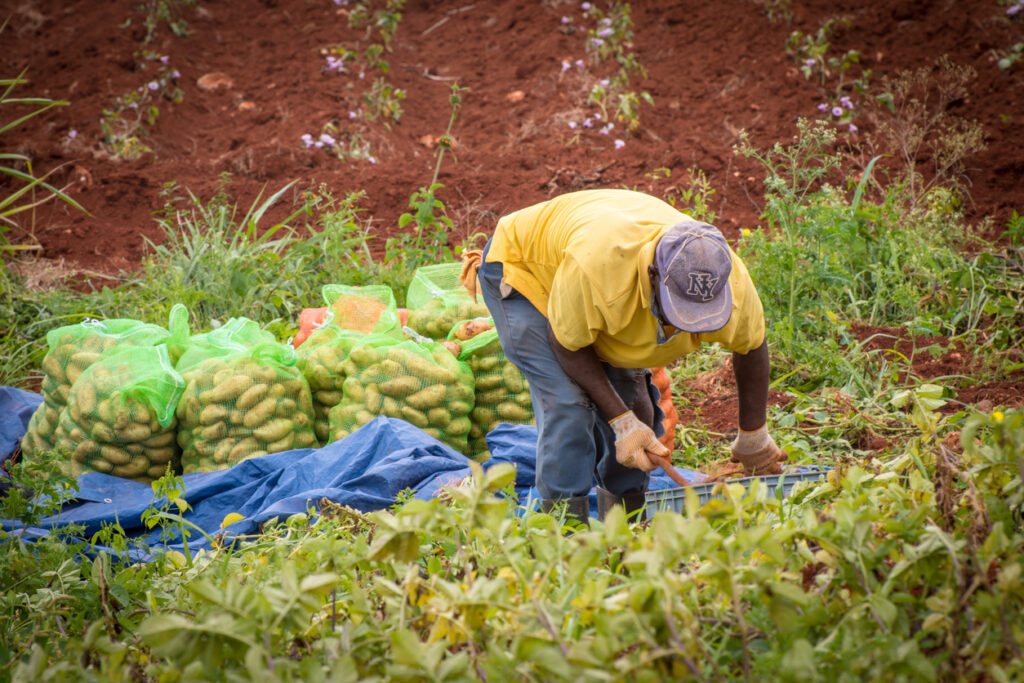
Farmers in key agricultural parishes such as St. Thomas and St. Elizabeth are already reaping onions, while potato production is rising in areas like St. Ann, St. Mary and Manchester.
The recovery has been supported by targeted interventions, including the provision of seeds, fertiliser and irrigation equipment through agencies such as the Rural Agricultural Development Authority (RADA) and the Jamaica Agricultural Society (JAS).
Condappa tells JIS News that to manage the increased output, the country’s storage infrastructure is being strengthened. The recently commissioned Essex Valley Cold Storage Facility in St. Elizabeth is now being used to store onions and potatoes, helping to reduce spoilage and maintain supply over the long term.
He shares that the data-driven approach is also contributing to broader economic stability, as improvements in agricultural productivity have aligned with projections from the Bank of Jamaica (BOJ), supporting manageable inflation levels and ensuring that consumers continue to access affordable produce.
Beyond domestic markets, AMIIB is also helping to bridge the gap between agriculture and tourism, two of Jamaica’s most important industries.
Through its representation on the Tourism Linkages Council, the branch works closely with stakeholders to ensure that hotels and other hospitality entities have consistent access to high-quality local produce.
“One thing for the tourism sector is consistency, quality and pricing. We maintain constant dialogue with stakeholders to ensure that supply information flows seamlessly and that market access is always available,” Condappa says.
He explains that digital platforms have become key tools in this process. Systems such as the Agricultural Linkages Exchange (ALEX) platform connect farmers directly with buyers in the hospitality sector, while the Jamaica Agricultural Marketing Information System (JAMIS) provides real-time data on prices and availability across markets.
Established to provide stakeholders with access to incentives, marketing support and statistical services, AMIIB also facilitates programmes such as the Productive Input Relief (PIR), which allows farmers to access duty waivers on essential equipment and inputs.
“We are aiming for a win-win situation …where farmers benefit from increased production and consumers benefit from improved availability and better prices,” Condappa tells JIS News.

He says that with productivity rising and systems strengthening, the outlook for the agricultural sector remains positive, underscoring the vital role of information in building resilience and driving sustainable growth.






Comments