Amazon’s free shipping to Jamaica: What it means for local couriers, small businesses

/ Our Today
administrator
By Michelle O’Connor
Amazon recently announced that it will now offer free international shipping to Jamaica on eligible orders over US$35. For many Jamaican consumers, this is welcome news, a more affordable and direct way to shop globally. But for local courier services and small business owners, this change signals a new era of competition and disruption.
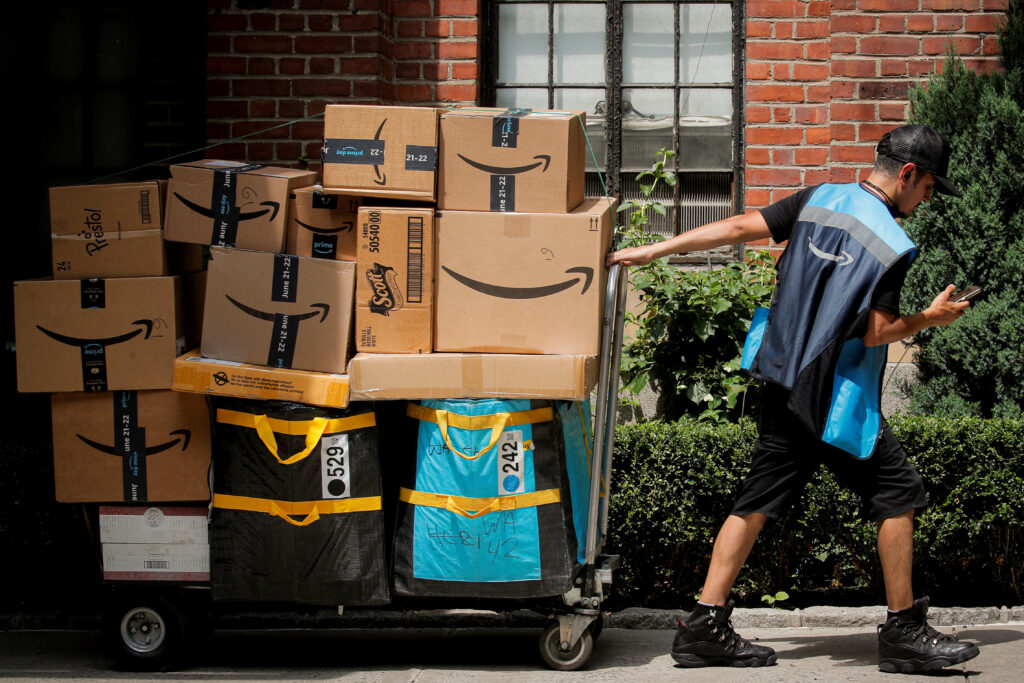
Local couriers have long served as the bridge between US retailers and Jamaican buyers. Their value was in their convenience: giving Jamaicans access to a US shipping address, receiving and clearing goods, and providing easy pick-up or last-mile delivery. But now, Amazon is bypassing the bridge entirely and driving straight into the market.
The Model That Worked—Until Now
For years, many courier companies built successful businesses around the fact that Amazon didn’t ship directly to Jamaica.
- They would set up a U.S. shipping address for Jamaican consumers.
- Receive packages ordered from Amazon and other retailers.
- Ship those packages to Jamaica.
- Provide customers with in-country pickup or delivery (home or office).
These businesses grew by solving a logistics gap, but they were always vulnerable to a change in Amazon’s strategy.
That change is here.
With Amazon now entering the Jamaican market directly, couriers will likely see a decline in volume from their most frequent customers, especially those who order high volumes of personal items.
This is a stark reminder: When a business builds its revenue around another company’s limitation, it must constantly assess the risk of being replaced.
What This Means for Local Businesses
Local courier operators could see the following:
- Reduced demand from Amazon shoppers.
- Pricing pressure, especially on small packages.
- Customer churn as buyers test Amazon’s direct service.
- The need to diversify, either into partnerships, new logistics services, or other forms of value creation.
Some couriers may survive by improving their value proposition. Others may not. The key will be adaptability and foresight.
The Real Lesson: Always Be Assessing Risk
If your growth plan doesn’t include risk assessment, you’re scaling with your eyes closed.
Many businesses make the mistake of thinking that because something has always worked, it always will. But global players are always watching, analyzing, and planning how to enter profitable markets. Just as Amazon has done now.
Every business owner in Jamaica—no matter the industry—should ask:
- Who is my biggest competitor?
- What would happen if they entered my market tomorrow?
- What would I do if my customers found a cheaper or easier alternative?
What Can Businesses Do Now?
Here are five steps Jamaican businesses can take to remain competitive:
- Conduct a Strategic Threat Assessment
Evaluate what part of your revenue is most exposed to competition or market shifts. - Listen to Your Customers
Understand what they value most—and where they feel underserved. - Diversify Your Offerings
Don’t rely solely on one model or one type of client. - Improve the Experience
Compete on service, personalization, community support, or convenience. - Make Risk Planning Part of Your Strategy
Revisit your strategy quarterly and include potential disruptions in your analysis.
Closing Thoughts
Amazon didn’t take away anyone’s business overnight. But they’ve started the shift. The question is, will local businesses adjust fast enough?
This isn’t just about couriers. It’s about every Jamaican entrepreneur who’s building a business in a global economy. Risk assessment must become part of your growth culture.
Because while you’re focusing on operations and delivery—someone else is sitting in a boardroom thinking about how to take your market share.
Michelle O’Connor is the Lead Business Growth Strategist at Success Bizness Club Inc.






Comments