
Andrew Holness at 50: An empathetic prime minister who cares about Jamaicans’ future
Al Edwards / Our Today
administrator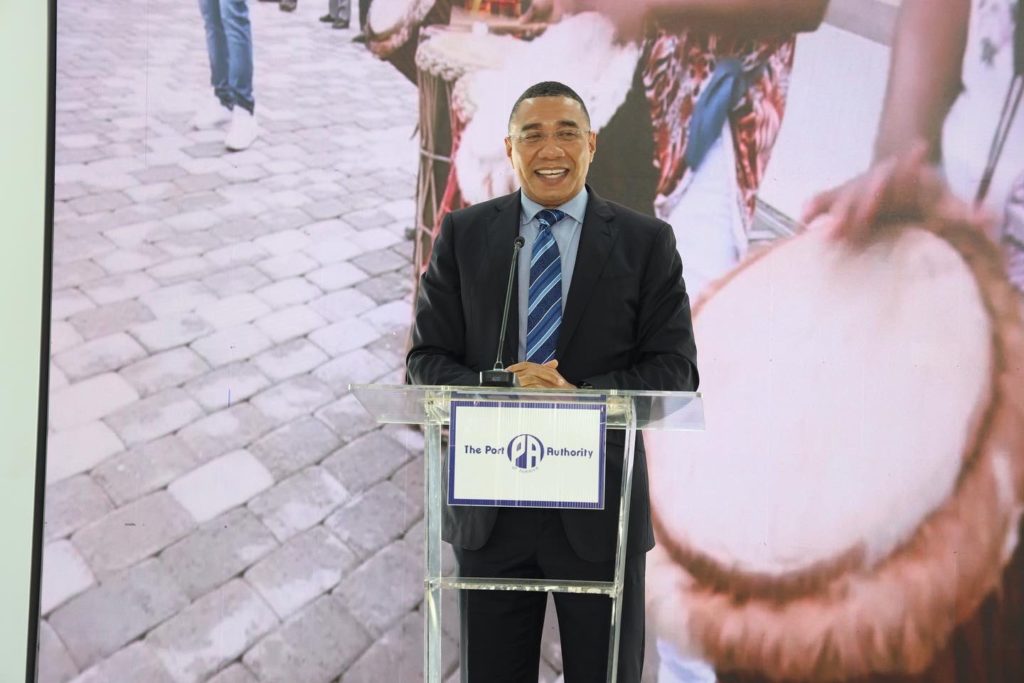
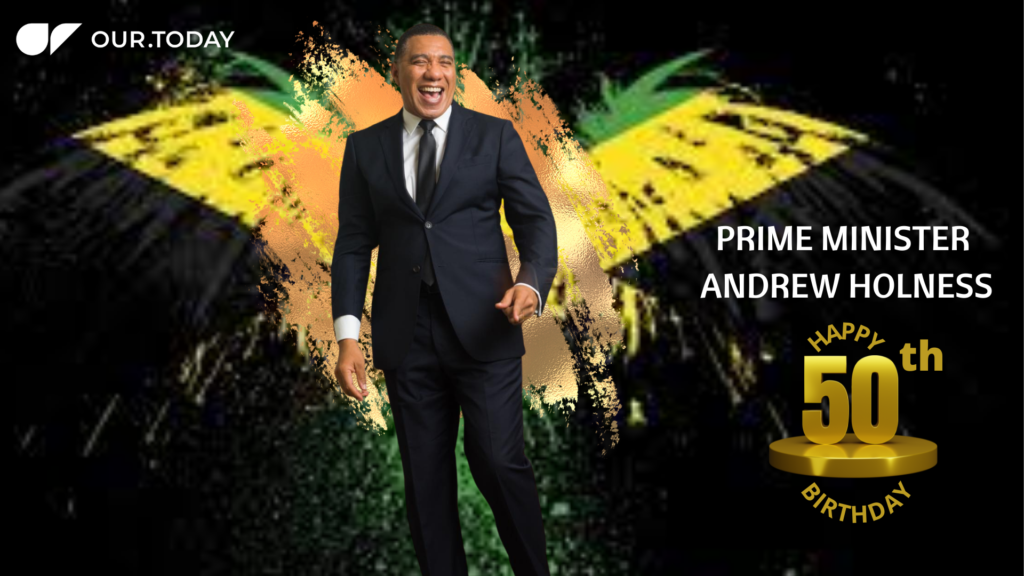
Prime Minister of Jamaica Andrew Holness celebrates his 50th birthday today (July 22), a significant milestone in the life of a man that has shaped the country in the opening decades of a new century.
As Jamaica prepares to celebrate its 60th year since Independence in 1962, Andrew Holness is the first prime minister born since Jamaica decided to take the governing of its destiny into its own hands.
Jamaica should have made more progress than it has done to date and many see this as an indictment on succeeding governments from that time.
But Andrew Holness himself is an embodiment of what can be achieved if one has the intelligence, will, humanity, and graciousness to construct a life of purpose in Jamaica.
He has vowed to move Jamaica from developing to developed status and see to it that law and order prevails, that citizens’ rights and welfare are protected, that businesses can flourish – in short a country where prosperity abounds.
If Michael Manley was regarded as “Joshua”, then Andrew Holness is the “Moses” of his time.
We live in turbulent times characterised by pestilence, war, climate change, food insecurity, economic instability, a changing geopolitical world order. Events that Jamaica does not participate in, yet impacts its well-being and path to self-determination.
No other prime minister in the history of Jamaica has faced the challenges that Andrew Holness must confront during his current tenure as leader of the Government. It will take a panoply of skills and abilities to navigate these choppy waters.
There are a number of successes he can point to, namely, fiscal management (the country’s debt to GDP ratio is down to 94.2 per cent, a 15.5 per cent reduction from March 2021 when it was 109.7 per cent); the unemployment rate is now at six per cent, the lowest for decades; there is an uptick in both construction activity and tourist arrivals; the BPO sector is flourishing; the government has embarked on a transformational infrastructural programme with highways linking the country; the management of the COVID outbreak, all things considered, went rather well and there is a real push to join the digital age.
However, it is not all good news. Crime and lawlessness continue to be an untameable beast.
The divide between the fortunate and unfortunate is a widening chasm, opportunities for advancement continue to be a struggle for too many Jamaicans.
It still is a tale of two cities.
‘The old days’
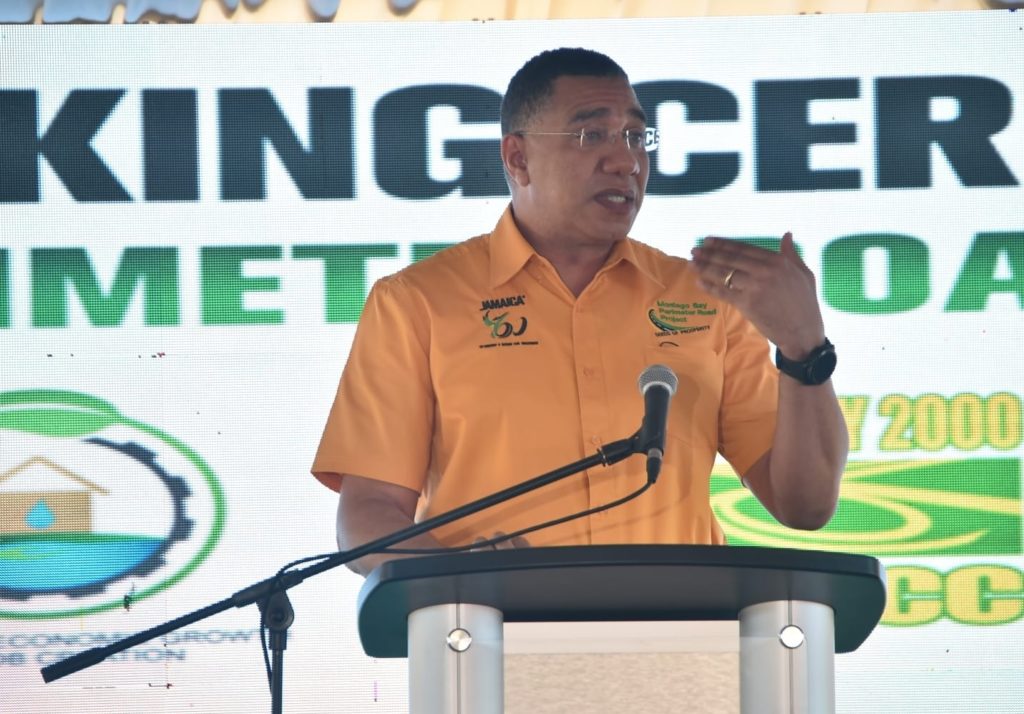
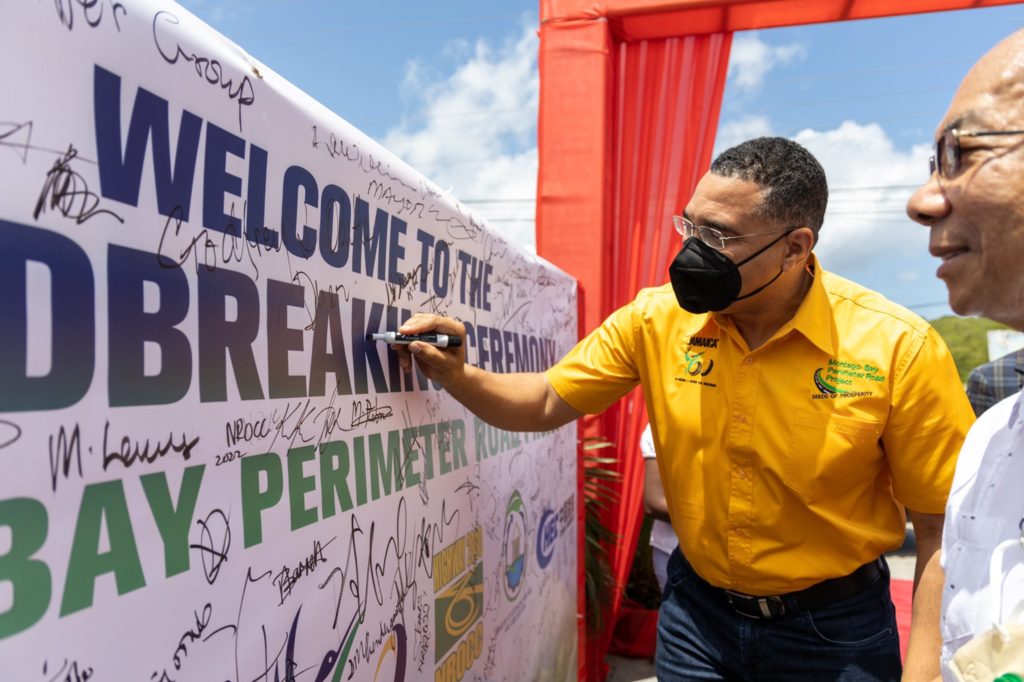
Speaking at the groundbreaking ceremony for the new perimeter road in Montego Bay last week, Prime Minister Andrew Holness identified where he wants to take Jamaica and the importance of empathy with the plight of many Jamaicans today.
“I can’t recall a time in Jamaica when a Government undertook at once the level of infrastructural development that this Government is now undertaking.
“Last week, I toured the South Coast Improvement Road Project (from Harbour View to Port Antonio). I went to the ‘start of work’ on the Morant Bay Urban Centre that will be the first deliberately constructed urban centre in Jamaica,” said Holness.

At 50, he has experience as a senior government operative but remains a youthful leader who is regarded favourably by the populace at large.
He gave an insight into why he wants to transform Jamaica’s existing infrastructural framework to factor growing urbanisation.
Holness explained: “The administrative management of Jamaica set by the colonial powers was to divide the country into counties, then to further divide those counties into parishes. Those parishes largely matched the vestry system while the church effectively ran the civil administration of the parishes. This, then morphed into local government.
“Coming out of the Morant Bay Rebellion, the colonial powers decided to take a more direct approach to the civic and civil governmental affairs of the country, establishing many local government entities and the Jamaica Constabulary Force (JCF).
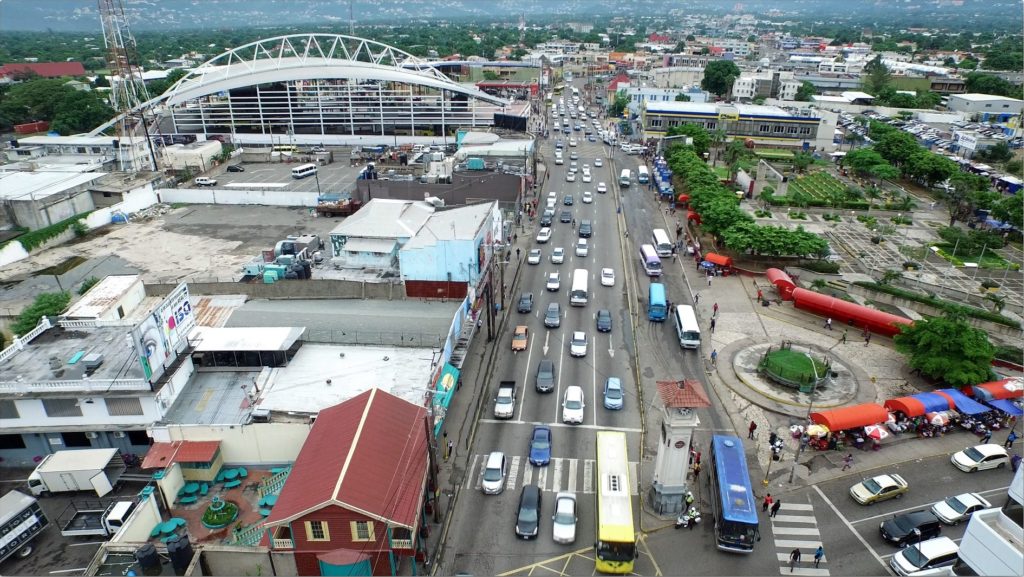
“They also went about establishing in each parish, a town which would be marked by a big clock in the square. So many of our urban areas are one-road towns. There wasn’t too much planning put into them. But you will notice though that downtown Kingston is planned on a grid, Spanish Town to a large extent is planned on a grid. That isn’t the case for many of the other townships in Jamaica. We can see that Montego Bay was not planned. There was no planned sewer network, no provisions were made for adequate water supply. What happened was people just found their way and settled.

“For decades, we ignored the need for proper urban planning. We now see the consequences of this with people demonstrating that they don’t have water. The reason why there isn’t water is no one planned for you to live there and so we now have to play catch-up to bring the water to where you are living or established your business.
“The most important thing that Government can do is to plan ahead or before the next settlement springs up. But there is a challenge. In the back of our minds we say ‘don’t spend any money on something you can’t eat now.’”
Planning for the future, while being empathetic
Andrew Holness realises that he must plan for Jamaica’s future while gauging the sentiments of Jamaicans. It’s a true test for a governing politician. A balancing act that will draw on his reservoirs of political acumen. One senses he will not be tripped by the shortcomings that befell his mentor Edward Seaga. He observed and gleaned in readiness for a time to come.
“Some say don’t spend now for future investment and I have seen these comments. I understand why they are being made particularly in an environment where people are literally suffering. Incomes have been reduced, many can’t send their children to school. The cost of food and gas is increasing, yet they see the Government moving ahead with its infrastructure projects.
“Many must question that. They must feel a sense of despair. It’s natural. What is my role as leader of the country? My role as leader of the country is to be empathetic. It is to express to those who feel these investments will not bring immediate gratification to their suffering, that this Government cares about your condition and your situation and we are not ignoring it. We are going to do something to assist you and to help you.
“But it is also to say to the people who are suffering, frustrated, turned off, don’t allow your frustrations to lead you into making the mistakes we made in the past,” declared Jamaica’s youngest prime minister.
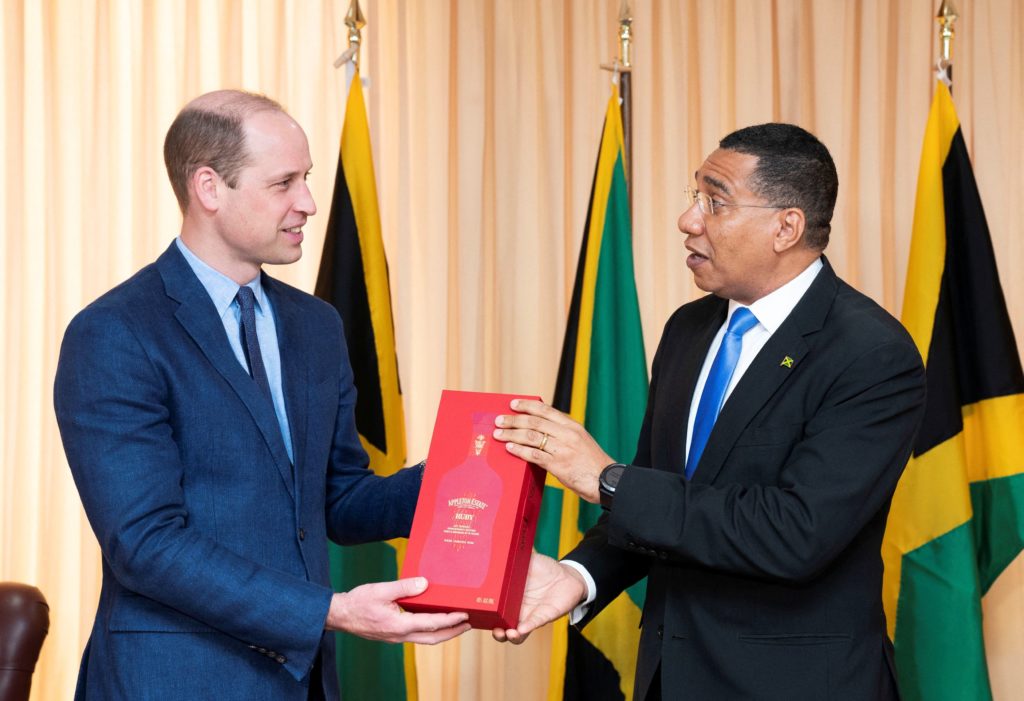
The way Holness sees it, looking over the last 60 years in many instances, Jamaica made short-term decisions and sacrificed the future, with the future turning out to be worse than the country’s past.
He is imploring Jamaicans that they will have a good future.
“This crisis will pass and we will all be together in [a] better future. We will see to it that you are no worse off for your sacrifice. Government must give cushioning support in a crisis, whether it be cash transfers for food, cash transfers for back to school, cash transfers for electricity, [or] help with critical items for the most vulnerable.
“The best thing the Government can do is keep the economy growing. It must ensure that the poor can get access to employment. We can now say we have the lowest unemployment rate in the history of Jamaica. What it means is the economy is expanding, people are getting incomes. It might not be the level of income you desire but it is the start of the recovery.
Recovering from shocks
Over the last 60 years, Jamaica has been beset by a number of shocks that has set it back on the road to development. Natural disasters like Hurricane Gilbert and Ivan, FINSAC, the oil crisis, the global financial meltdown in the closing years of a first decade in a new century, a huge national debt burden that strangled the country’s economy. Now there is the COVID-19 pandemic and war in Europe.
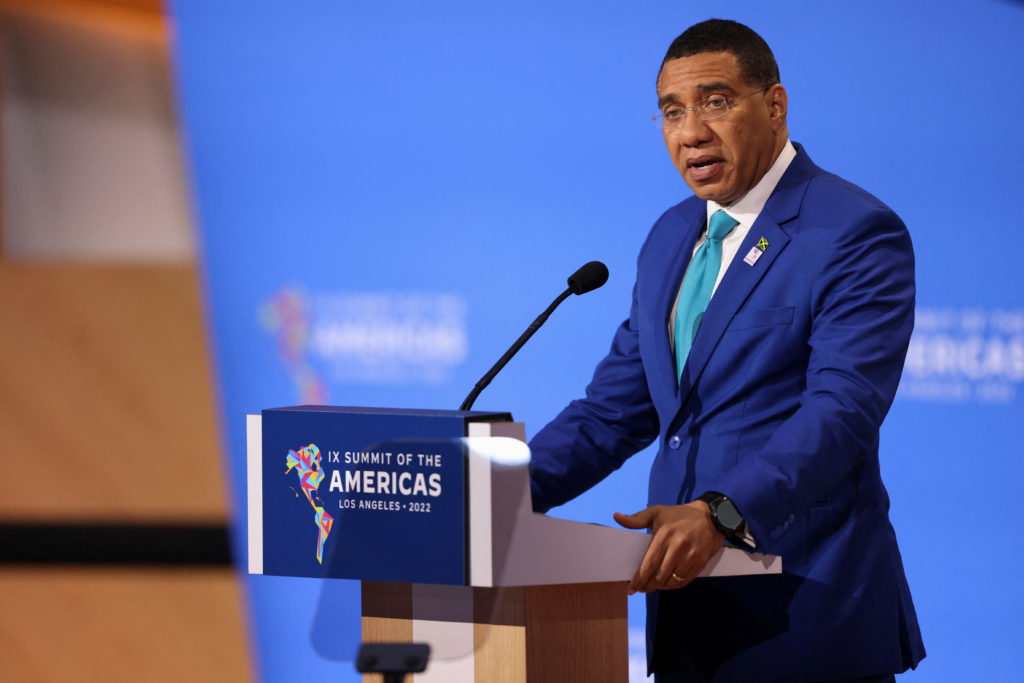
This is not lost on Andrew Holness.
“I ask all reasonable thinking Jamaicans, when we have had shocks in the past, how long did it take for us to recover? When we had the 2008/2009 global financial collapse and recession, how long did it take us to reach back to the level of GDP we had in 2009? It took us ten years.
“When we had the financial crisis in the eighties caused by oil shocks and a fall-off in the price of other commodities we ended up having to borrow which in turn created a debt crisis. In this present crisis that we are facing, our Government is not going on a spending spree. This is fundamentally a stronger government than we have seen in the past. The times are hard but your Government is strong and your recovery is even stronger.”




Comments