
Audrey Hinchcliffe | After Hurricane Melissa: Collective progress, a key benefit of cooperation

/ Our Today
administrator
It is now over two months since Hurricane Melissa left our shores, and evidence of the devastation still looms large, particularly in the western section of the island.
Despite the response via policies – public and private – haphazard and organised – the recovery journey is rough, and the future of some affected persons still remains uncertain.
There are, however, signs of some collective progress. This refers to the organised commitment of groups and institutions – private and public – to a common agenda to rebuild better. We are beginning to see some activities which give hope that pursuing a common agenda and roadmap – can yield positive results.
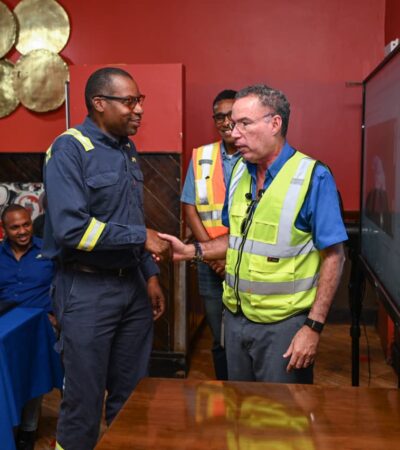
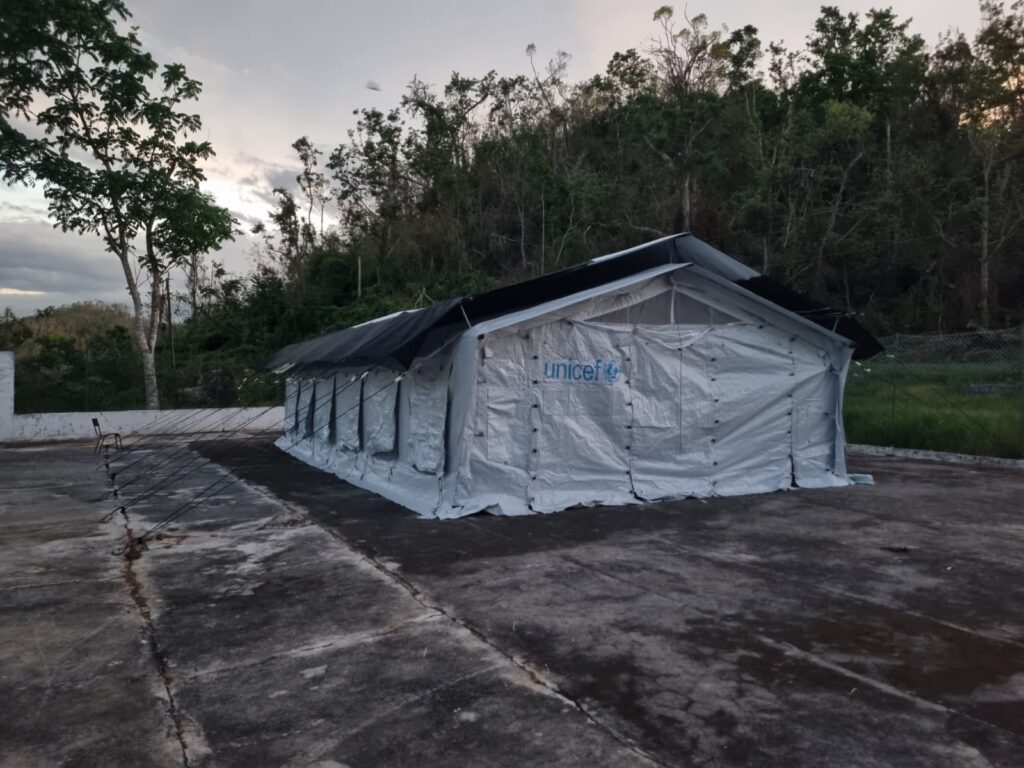
For example, electricity and water have returned to some affected areas, businesses are re-emerging, schools are reopening on a phased scale, the health sector is being supported by field hospitals and mobile health stations; attempts at shelter, and more importantly, food – (cash crops) are up and coming.
Some services supporting business and finance are providing an environment to fuel entrepreneurship.
Health care
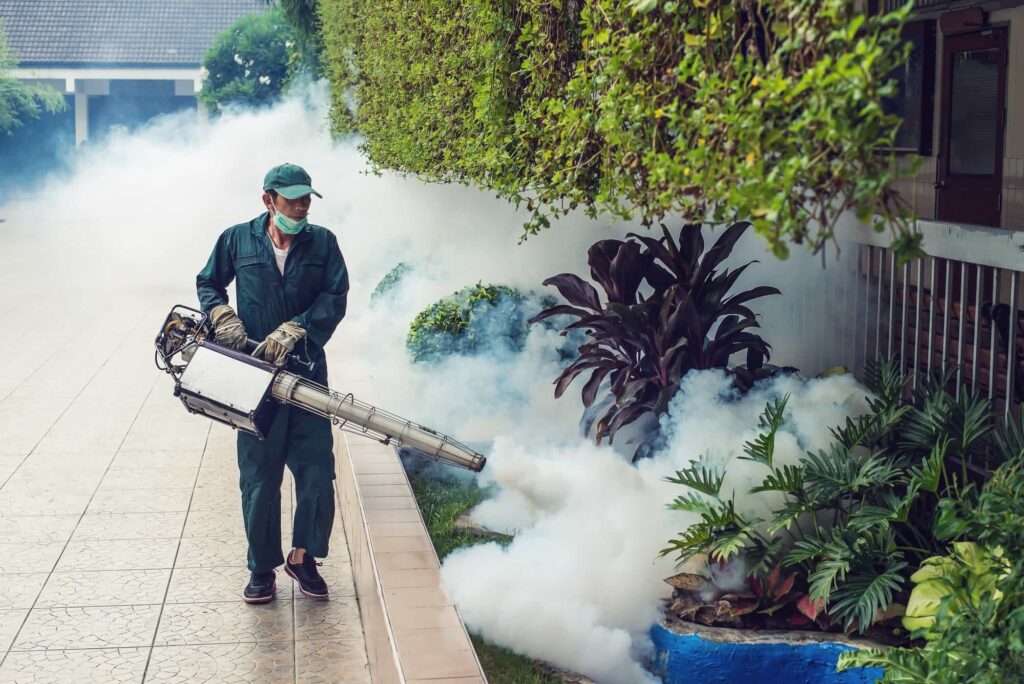
There is public education about potential threats to health, such as Leptospirosis, Tetanus and Dengue Fever. Scheduled islandwide fogging is underway along with the ramping up of garbage collection. The united effort and our shared values and pride offer hope for returning to near normalcy in the foreseeable future.
Of course, it is easier said than done. If resource requirements are not fulfilled, health care needs will remain strained.
Reopening of Schools
The reopening of school is at best spotty. The need for repairs, renovation and at some locations the rebuilding of facilities will take time. Considerations are for age groups, particularly for those preparing for examinations. Lessons learned from Covid-19 may be applicable in this regard. Systems and procedures for online teaching, extra lessons and homeschooling must be implemented, except in those cases where the post hurricane fallou,t including homelessness, loss of books and other paraphernalia, clothing, and of course the unavailability of utilities, make the necessary adjustments more challenging.
It is important to listen to children, as learning at home is not a substitute for school where most children are happy among their peers. Members of the school community who are also affected require support. In all cases – whether administrators, teachers or students – their respective needs must be met if there is to be collective progress in the near, short, medium and long term.
Cooperation and compliance
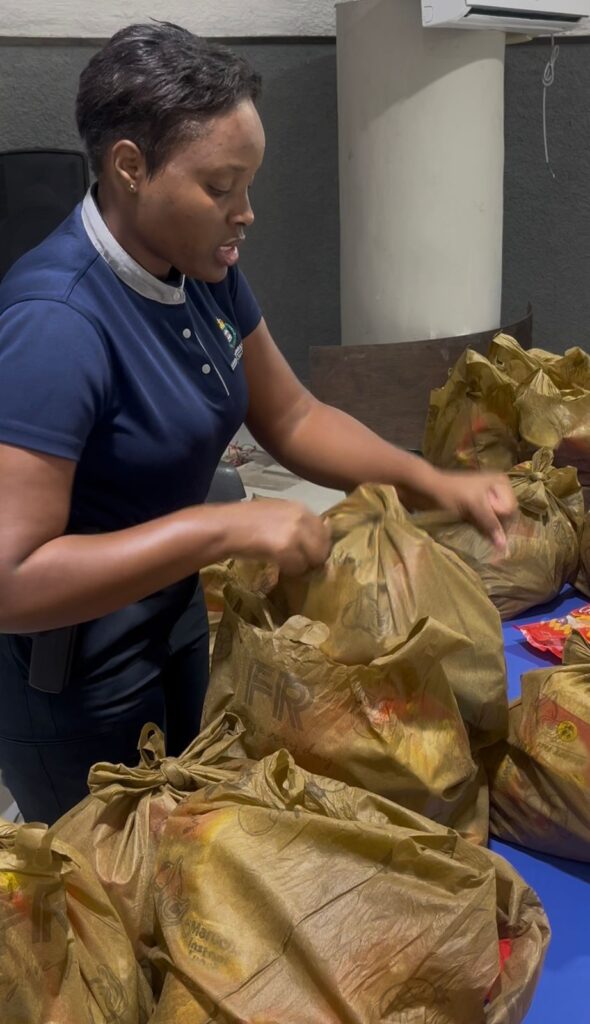
Cooperation and compliance are the foundation for collective progress if we are to work together to fully rebound from the hurricane’s devastating impact.
The measures by the state for assessment as the determinant for the distribution of resources is underway, while the private and non-governmental sectors are forging ahead with area-specific attention. The restoration of shelter is paramount and can’t come soon enough. Even self-help needs to be bolstered, as it is not always enough to fly solo. It must be made clear what type of support is needed. It may range from moral support or practical help to the benefit of experience related to a specific task or a challenge requiring a solution. Self-help can become overwhelming and well-meaning tasks may not be accomplished, e.g., building shelter, teaching, learning or entrepreneurial endeavour.
Getting back to normal may be a pipe dream for some as the foundation for rebuilding lives and livelihoods may have vanished in the path of the hurricane.
Collective progress
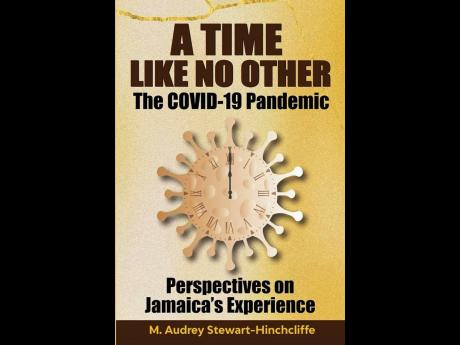
In my book A Time Like No Other, The Covid-19 Pandemic: Perspectives on Jamaica’s Experience; (Chapter 27 – Benefits of Cooperation and Collective Progress p.119), while I speak to recovery from Covid-19, there are some truths applicable to the hurricane. I stated, “There is still a place for our cooperation and collective efforts to continue making progress in curbing the spread of the coronavirus and, as the saying goes, ‘together everyone can achieve more.”
The same holds true today for the recovery from the ravages of Hurricane Melissa. Cooperation and collective progress come with lasting benefits, among which are the pooling of resources and skills, increasing productivity, distribution of workload, strengthening relationships, boosting societal harmony and making goals achievable that individuals alone could not attain.
Therefore, rebuilding after the hurricane is akin to rebounding from the Covid-19 pandemic. We continue to learn lessons to strengthen our resolve as a people to prepare us for survival in a new age of disasters, whether it is weather, health or yet unknown. What is certain is that something will happen sooner or later. Cooperation is the key to survival and progress.
Dr. M. Audrey Stewart-Hinchcliffe, CD, JP, BA, M.Sc., DBE (h.c.) is the Chairman of Manpower & Maintenance Services (MMS) Limited Group


Comments