
Baseless and insufficient: Court holds criticism of Adam Stewart’s stewardship of his father’s companies unfounded
Al Edwards / Our Today
administrator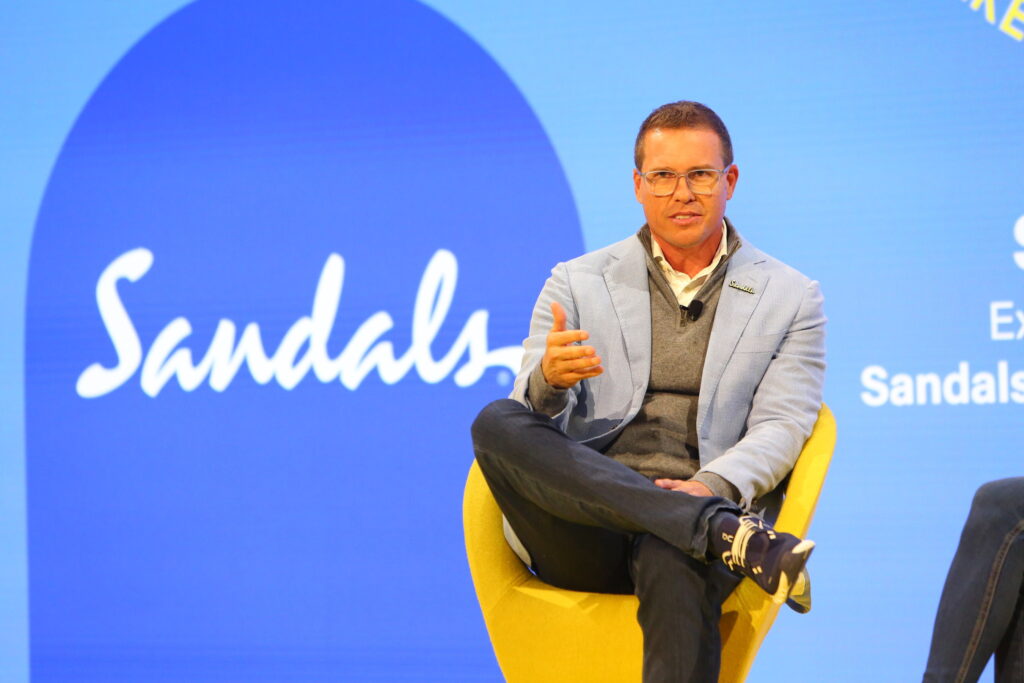
The Supreme Court of the Bahamas has found that arguments by the partner of the late Gordon “Butch” Stewart, Cheryl Hammersmith Stewart, to appoint a bank as co-judicial trustee of the trust set up to hold the hotels is baseless and insufficient and that the way he is running the companies poses no” material risk that the assets will be stolen or misused”.
For some time now, the estate of Butch Stewart has been the subject of contention, leading to rancorous barbs and a number of legal actions across different jurisdictions.
The founder of both Sandals and the ATL Group of Companies, Gordon Butch Stewart, left the leadership of the enterprises that he built to his son, Adam Stewart, who has been an executive there for decades.
A number of trusts were formed with family members having input into the management and operations of the businesses. Sandals and Beaches has become the leading Indigenous hotel chain in the region, with the Wall Street Journal placing a valuation on it of around US$7 billion.
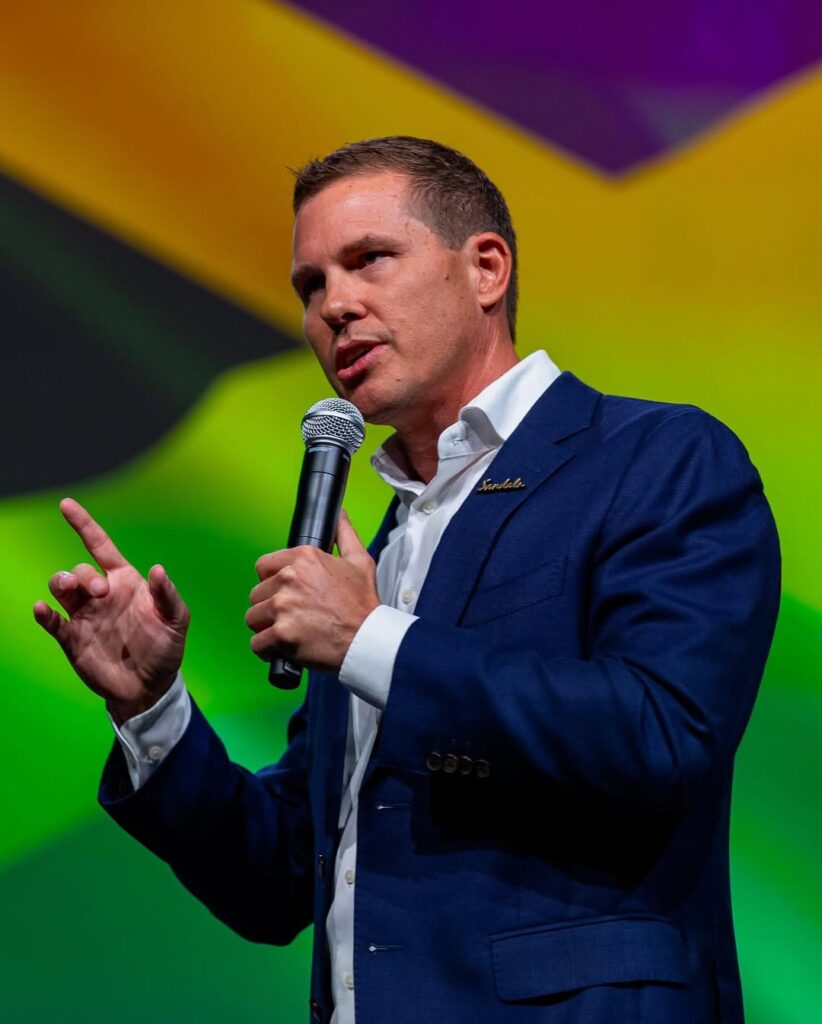
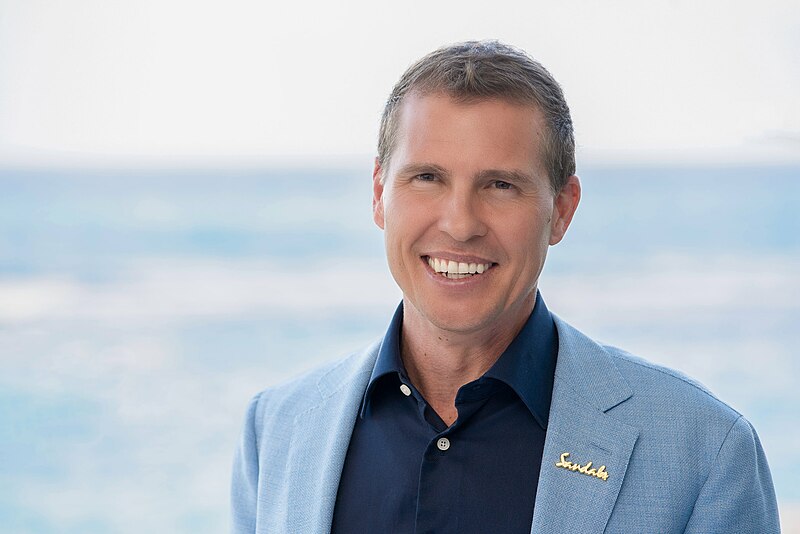
The acrimony by factions of the family over the estate has been ratcheted up with Cheryl Hammersmith-Stewart and her allies expressing vehement disapproval of Adam Stewart’s management of the assets. Adam Stewart was appointed Executive Chairman of both Sandals and the ATL Group of Companies.
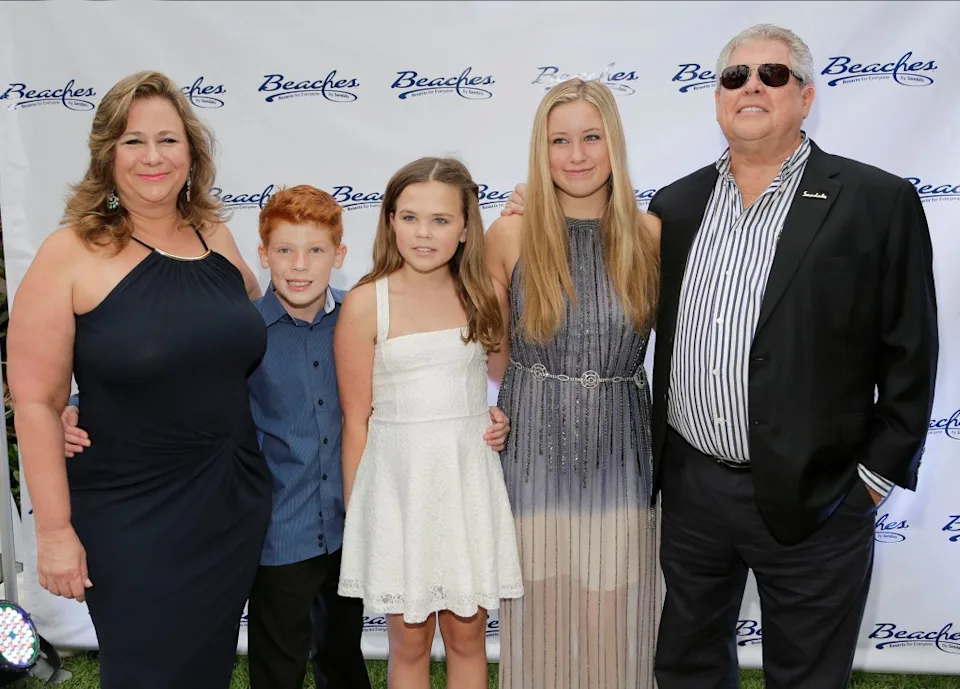
Hammersmith-Stewart, who was with Butch Stewart for many years and bore him three children, asserted that Adam Stewart’s running of the Sandals Group was to his own benefit and not in the interests of her and her children and that Sandals assets faced “a real and present danger.”
Sandals Resorts International (SRI) is held in a trust, the Coral Ridge Trust.
Chief Justice Sir Ian Winder found that the directors of Sandals are not incapable of exercising proper fiduciary oversight of the Coral Ridge Trust’s assets as alleged by Mrs Hammersmith-Stewart.
A report by Edith Wong was commissioned, known as the FTI Report, which concluded that the Sandals business has suffered and will continue to suffer loss as a result of acts of defalcation and misuse of company resources by those charged with the responsibility of the management of the Sandals business.”
Edith Wong maintained that there was a need for a judicial co-trustee and independent oversight, a move designed to wrest some control from Adam Stewart and his team. The Executive Chairman’s competence was questioned.
Sir Ian Winder found the FTI Report to be baseless and insufficient.
After his father’s passing, then losing his wife Jill, the mother of his children, running Sandals and ATL would undoubtedly be a herculean task consuming all of Adam Stewart’s energies. Over the last five years, he has also had to fight off challenges to his leadership and defend himself in legal proceedings.
While growing the number of hotels and refashioning ATL, Adam Stewart has had to contend with the COVID pandemic and the devastating impact of Category 5 Hurricane Melissa on both Jamaica and its tourism industry.

The stewardship of the business empire founded by his father would require his acumen, a competent team and expertise to ensure that the Group that employs close to 30,000 people across the Caribbean remains viable and thrives.
Cheryl Hammersmith-Stewart took issue with her step-son’s (who was chosen to run the Group by his father) running of the Sandals assets. In short, she and her allies did not rate him.
“Adam is the Executive Chairman of Sandals and exerts direct or indirect control over the activities of the business. There is therefore a strong prima facie case that Adam is using the control that he exerts over the Sandals Group for his personal benefit at the expense of the Coral Ridge Trust,” read a part of the summary of her court application.

Our Today has not ascertained whether Adam Stewart reached out to Cheryl Hammersmith-Stewart to assure her that he was adhering to the responsibilities bequeathed to him by his father and that the companies were in good hands with nothing for her to worry about.
Chief Justice Sir Ian Winder found, and these are his words not mine – I am quoting from a legal document which is in the public domain:
“I am not satisfied that there has been a complete breakdown in the proper administration of the Coral Ridge Trust, such that the appointment of a Judicial Co-Trustee is necessary or that the Fund is “currently in material danger”. I would go further to say that I am not satisfied that it is expedient to do so.
“In my view, the appointment of a Judicial Co-Trustee, at this stage would serve no useful purpose as there has been no breakdown in the administration of the Trust. Whatever concerns are expressed by Wong are already being investigated by an independent expert appointed by the Trustee and another independent expert appointed by an ad hoc committee of independent directors of SRI 2000….
“I do not find, therefore that:
(a) There is credible evidence which establishes a “ real and present danger” of the imminent “defalcation and misuse” of resources belonging to SRI 2000 such as to cause “irrevocable harm to Cheryl in advance of the trial in 2026.
(b) Cromwell’s (another trust) current directors are incapable of exercising proper fiduciary oversight over the Trust’s assets.
Ultimately, I am not satisfied that there is a risk of irrevocable harm between now and the trial of the substantive claim to warrant the appointment of a judicial co -trustee
I refuse permission for Cheryl to rely on the FTI Report, and even if I was minded to exercise my discretion to do so, I am not satisfied that it could lead to the exercise of my discretion to appoint a Judicial Co-Trustee for the reasons expressed in this judgment. The application is therefore dismissed.”





Comments