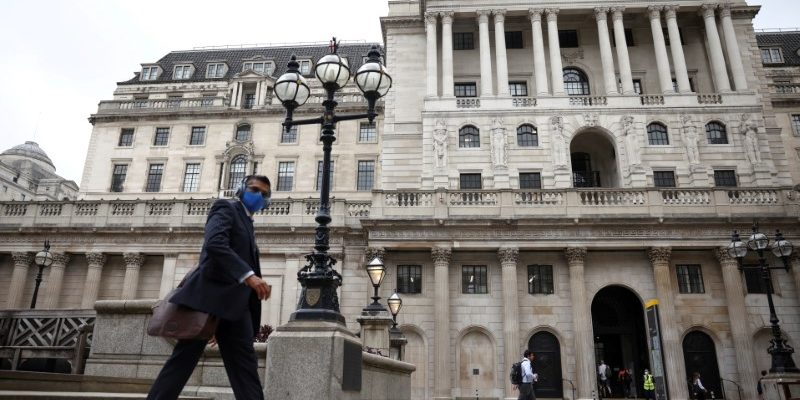

British pound falls after BOE rate hike announcement

Durrant Pate/Contributor
The Bank of England (BOE) has jacked up interest rates in the United Kingdom (UK) by 0.75 percentage points, to three per cent, representing the biggest hike since 1989.
As a result, the pound has slumped and the cost of government borrowing has risen in response to the BOE’s interest rate hike today and warning of the longest recession on record. The rate hike comes a day after the Federal Reserve raised interest rates by three-quarters of a percentage point, as it continued to battle the worst outbreak of inflation in 40 years,
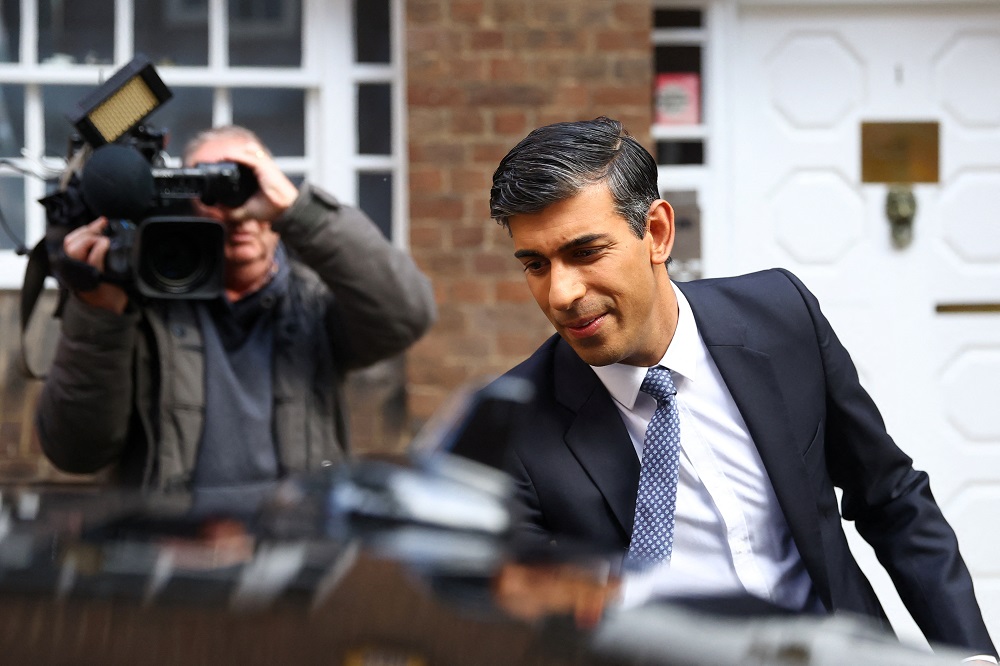
Interest rates have been rising in the UK since December, in an effort to curb soaring prices with inflation hitting its highest point in 40 years. Today’s rise follows economic turmoil under Liz Truss’s government, although things have calmed slightly since Rishi Sunak took over the prime ministership of the UK almost three weeks ago.
High taxes and spending cuts coming
Sunak has promised a new plan to repair the nation’s finances later this month, but tax rises and spending cuts are expected. The BOE said the UK is facing a “very challenging” two-year recession, which would be the longest on record.
The higher interest rate will be welcomed by savers, but the rise will have a knock-on effect on for those with mortgages, credit card debt and bank loans. In the meantime, the British pound is taking a hit from the rate hike announcement, slumping as the cost of government borrowing has risen.
The pound is two per cent lower against the US dollar since the announcement earlier today ( November 3). The dollar is up against most major currencies today but the pound is by far the weakest. It has fallen to US$1.1170 – a drop of more than two US cents.
The yield – the cost of government borrowing – over 10 years has also risen sharply to 3.51 per cent, up from 3.39 per cent.
Poorest households will be hurting
Reaction to the BOE’s decision to raise interest rates, the Resolution Foundation, a think tank, which focuses on low to middle-income households says the poorest households will be hurting from the move. The think tank argues that the cost-of-living crisis will affect many people beyond mortgage holders.
Research Director James Smith tells the BBC that, “everyone will be affected by prolonged double-digit inflation, but poorer households will be hit hardest by the surge in food prices and energy bills”.
He contends that the move provides a “sobering backdrop” for the chancellor’s upcoming Autumn Statement on November 17.
According to Smith, “the government will need to both calm the markets, while also protecting households from the worst of the cost-of-living storm”.




Comments