
Bizunesh Scott | Making the case for Jamaicans to return home from the diaspora

/ Our Today
administrator
Motivated by our prime minister’s challenge to the Jamaican Diaspora to come home, I am looking at how I can contribute to Jamaica, even if it does not mean adding to the population.
I confess to knowing little about Jamaica’s politics, economy, social policies, etc. I do like Jamaica’s Vision 2030 – “Jamaica, the place of choice to live, work, raise families, and do business.”
I read David Mullings’ article in Our Today about the realities of the Jamaican Diaspora returning home. Mullings presents some inspiring points and sobering assessments on employment, infrastructure, crime, poverty and healthcare.
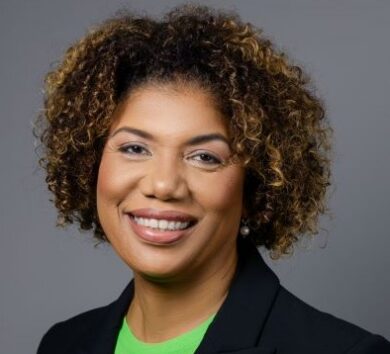
I write this companion piece from my perspective as someone who has had far fewer ties to the country over the last twenty years than Mullings. Both of my parents are Jamaica-born, but I was born in America, a boundary of citizenship drawn not by culture or blood, but by the timing of my birth. With dual citizenship, I went on to live in both cultures, a proud product of disjointed years at Holy Childhood preparatory and high schools and schools in Florida and Illinois. After high school, I stepped firmly into American privilege, earning degrees from Marquette University, University of Michigan Law School and Georgetown University through the benefits of programmes only available to US citizens.
I reached some of the highest rungs of the American dream, including working at the White House for then-President Barack Obama.
I went on to marry an American and have three children. I got married in Jamaica, but the entire time, I felt more like a tourist than a native. Gone too long, they say. And from there, trips back became further apart, shorter in time, and without cadence.
Now, I am trying to connect broken roots. America’s repugnance for immigrants comes with a choice for some and a reality for others. My American-born younger sister chose to repatriate her family to Jamaica two years ago, and my older Jamaican-born brother has returned, separated from his family, an American-born wife and daughter, in an attempt to continue to abide by America’s ever-changing rules for immigrants. I realise that I must do the work to protect my bloodline’s birthrights.
I present some practical starting points on how the Jamaican Diaspora can meaningfully connect.
Information
Anyone considering a return to Jamaica can easily learn about the political, economic and social climate of the country through its first-rate media sources. Our Today, the Jamaica Gleaner and Jamaica Observer all provide good information and perspectives with quality writing to get up to speed on issues de jour. During my time in Jamaica, I was so impressed with the morning show on Radio Jamaica 94 FM. Mind you, in America, the morning show options focus on donkeys of the day, the mess that America has made of the world, or which celebrity is in trouble. There are also social media sites and influencers, focusing on news, tourism, events, entertainment, opportunities, and cuisine.
Family bridges
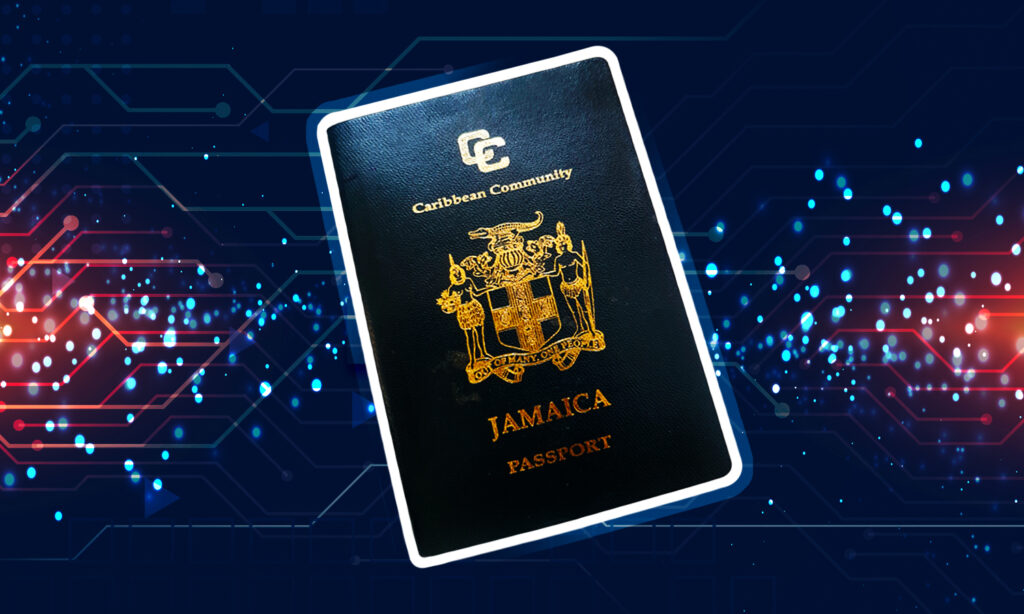
For those who were not born in Jamaica, establish citizenship for you and your family. When I was eight, I got my blue Jamaican passport with all the information handwritten. Now, that is not enough. I had to apply formally for citizenship by descent to secure a citizen certificate. This will give you the right to live and work in Jamaica without restrictions, along with access to social benefits and a Jamaican passport.
I speak directly to those who have family abroad and invite them home. Invite them not only for holidays or funerals, but into the everyday rhythms of Jamaican life. Invite them to see the changes, the growth, the investment, and even the challenges with their own eyes. Too often, distance breeds assumption, and assumption hardens into disengagement. An invitation is more than a gesture of hospitality; it is an act of reconnection. It says: ‘You still belong here‘.
To those abroad, go back. Go as tourists in search of nostalgia, but also as stakeholders in the nation that shaped your bloodline and identity. Go with curiosity, humility, and a willingness to see Jamaica as it is, not only as you remember it or imagine it to be. Visit the resorts and grandma’s old house. Speak with entrepreneurs, teachers, farmers, and public servants. Understand the realities before forming conclusions about what cannot be done.
Opportunities
If Jamaica seeks to meaningfully engage its diaspora, it must frame reconnection as heritage and opportunity. Where opportunity exists, investment follows, of time, talent, and capital.
Employment opportunities
How can Jamaican companies persuade talented members of the Diaspora to choose careers here? Recruitment must be intentional, visible, and competitive. Many in the Diaspora are not only seeking income, but they are also seeking impact. If companies frame employment not merely as a job, but as nation-building, Jamaica does not seem like a step backward but a purposeful choice.
For those actively looking, here are some suggested resources: E-JAM Employment Services, Career Jamaica and Caribbean HR Solutions.
Opportunities for young people
Jamaican universities are actively positioned as destinations not only for local students, but for members of the diaspora seeking study-abroad semesters, summer programs, and research partnerships. Several US universities (e.g., Colgate University) run full-semester study programmes embedded at UWI in Kingston, giving students real classroom time alongside Jamaican and Caribbean peers.
Internships are equally powerful. A Jamaican-American student interning in Kingston’s tech sector, Montego Bay’s tourism industry, or within a public health initiative gains more than résumé experience, they gain proximity.
The GraceKennedy Jamaican Birthright Programme offers selected participants a fully-supported, multi-week placement with GraceKennedy business units in Jamaica where they gain hands-on work experience and build professional networks. Organisations like Jamaica Volunteer Programs offer short-term, faculty-led study abroad options that include internships and hands-on training alongside academic coursework. When young people build professional networks in Jamaica early, return becomes a question of when, not if.
Our sports programmes also have pathways to come home and belong. In basketball, the Jamaica national team has actively recruited high-profile players of Jamaican descent — including NBA guard Norman Powell — to represent the island in FIBA competition. Indeed, I hope my son, a Division 1 college basketball player, will play for the flag one day. Similarly, in football (soccer), there are pathways for Diaspora players to be exposed to professional and national team scouts. My fourteen-year-old niece participated in a clinic hosted by the Jamaica Football Federation held in Atlanta, searching for potential stars for the FIBA competition.
If you have young children, look to invest in whatever school you would consider for them through volunteer work and small businesses related to educational advancement. Some of us remember going to so-and-so’s house after school for small group tutoring in math and for tests. With technology, these can be done by Zoom, having those overseas students engaged with on-island programs or those on island interacting with programs run by family abroad.
Business opportunities
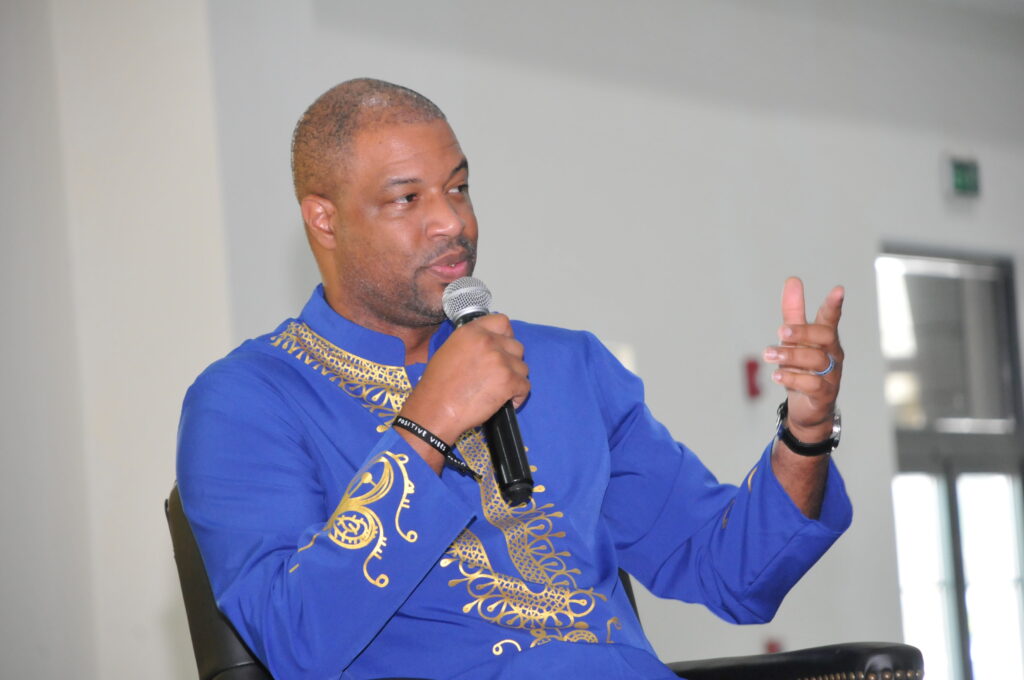
Jamaica is already leading with business conferences introducing a host of opportunities and showcasing the new Jamaica. While in Jamaica, I happened upon the happy hour for KingstonBeta Caribbean TechWeek hosted at the relatively new premier AC Hotel and Convention Center. So many came up to us to network, including David Mullings, whom I met in person for the first time but have followed for years now as an influencer. There are about a dozen business conferences to consider, all hosted on the island. Perhaps reach out and see if you can present on an area of expertise and skill. There are also opportunities to buy small businesses and invest capital in larger ventures through funds such as Mullings’ Blue Mahoe Capital.
Real estate investment
The Jamaican property market is open and welcoming: Non-citizens are legally permitted to purchase residential and commercial real estate on the same terms as Jamaican buyers, with no nationality-based restrictions on ownership. Now, I will admit, these prices are not bargains. Notwithstanding, I ask everyone to consider investing in preserving grandma’s home. Long before discussions of foreign direct investment or economic reform, there was a house, the place where stories were told, meals were shared, and identity was formed.
Across Jamaica, many of these family homes sit ageing, under-maintained, or vulnerable to sale as generations disperse abroad. Preserving them is not merely sentimental; it is strategic. A restored family home can become a gathering place for return visits, extended stays, a rental income property, or even the foundation for a permanent return. More importantly, it anchors the next generation to something tangible, a yard, a parish, a community they can claim as their own.
Cultural connections
Mullings ends his article with an honest macro perspective: “The reality is that some of us can move back to Jamaica and thrive, me being an example, but many others do not have the same experiences that I had nor have they maintained their social networks in Jamaica so it isn’t just moving back home for them, it is truly a reset, a new beginning in a vaguely familiar country.”
This creates a challenge. What can we create to put everything mentioned here and more into a movement? I admire the Carnival movement in Trinidad that has long been a yearly pilgrimage that organically brings social, economic, and cultural connections for their diaspora.
Yes, Jamaica has carnival, Reggae Sumfest, Easter weekend, Dream Weekend, Heroes’ Weekend, Summers and those last two weeks in December. Are we ready to do more?
Send comments and feedback to [email protected].


Comments