
BOJ: Hurricane Melissa will impact GDP, financial institutions well-positioned to support recovery
Josimar Scott / Our Today
author
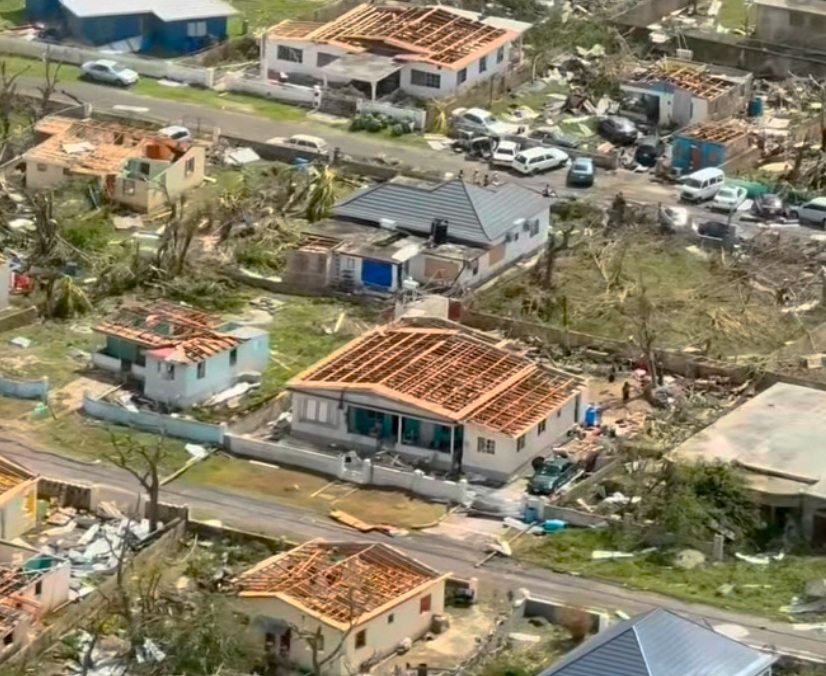
The Bank of Jamaica’s Financial Policy Committee (FPC) is anticipating that the country will experience a significant impact on its gross domestic product following the passage of Hurricane Melissa on October 28, 2025.
Having met on November 17 to review the financial system’s performance and systemic risks based on data up to September 2025, the FPC also took into account the possible effects of the Category 5 cyclone on the December 2025 quarter.
In a statement, the committee noted that while the local financial system was stable during the September quarter, “the recent passage of Hurricane Melissa is expected to adversely affect domestic GDP growth over the coming quarters”.
“In addition to key sectors directly impacted by the hurricane—such as Tourism and Agriculture—households in the affected sections of the country are expected to experience weakened debt servicing capacity, potentially leading to an uptick in non-performing loans,” the statement continued.
Regarding non-performing loans, the FPC believes that while credit quality will deteriorate, deposit-taking institutions are well capitalised and have made provisions to absorb the shock of delinquency. The committee pointed to Jamaica’s low level of non-performing loans for justification.
At the same time, the FPC believes that insurance claims are likely to increase, arising from the damage and destruction suffered from Hurricane Melissa. However, given the strong reinsurance coverage and low property insurance penetration in some of the parishes impacted, insurance providers will not have to deal with the challenge of insurer insolvency.
“The overall impact on the economy is anticipated to be mitigated by financial transfers and gifts in kind from several jurisdictions and agencies to aid the recovery and rehabilitation process, as well as the activation of the Government of Jamaica’s disaster risk financing framework, which could provide significant budgetary support,” the FPC stated.

Commenting on the financial system during the September quarter, the committee said it was stable with the support of enhanced prudential oversight and favourable macroeconomic conditions. Some key contributing factors included real gross domestic product (GDP) growth, low inflation and a general easing of monetary policy globally.
“In this context, the core elements of the financial sector continued to demonstrate sound
performance across key metrics, including adequate capital, solvency, asset quality, liquidity
and profitability,” the FPC outlined.
The central bank assessed the strength of the financial system by conducting stress tests and systemic risk evaluations to gauge the financial sector’s ability to withstand credit, liquidity, and market risk shocks. The preliminary results indicated that the respective financial system sub-sectors have enough capital and liquidity to absorb the negative impact of Hurricane Melissa and to support the increase in cash demand as the recovery efforts continue.
Moreover, while financial institutions have different internal policies and risk appetites, they are in a good position to provide customer relief and to support the recovery effort. This includes currency supply, processing of verified insurance-related payments and, where appropriate, offering temporary deferral of credit-related facilities.
The BOJ said it is prepared to provide liquidity support to deposit-taking institutions should the need arise and to maintain orderly conditions in the foreign exchange market.
“Climate-related shocks will remain a significant risk to our jurisdiction. To address this risk, authorities have committed to measures aimed at strengthening the financial sector’s climate resilience in the long term. Financial system supervisors will remain vigilant, actively monitoring the risks and evaluating appropriate policy responses to preserve financial stability in the context of the increasing frequency and intensity of natural disasters,” the FPC noted.
“Additionally, financial system supervisors will ensure that climate risk mitigation and resilience are effectively integrated into the business models of the financial sector. These efforts form part of a broader agenda to enhance systemic resilience and to protect vulnerable sectors.”






Comments