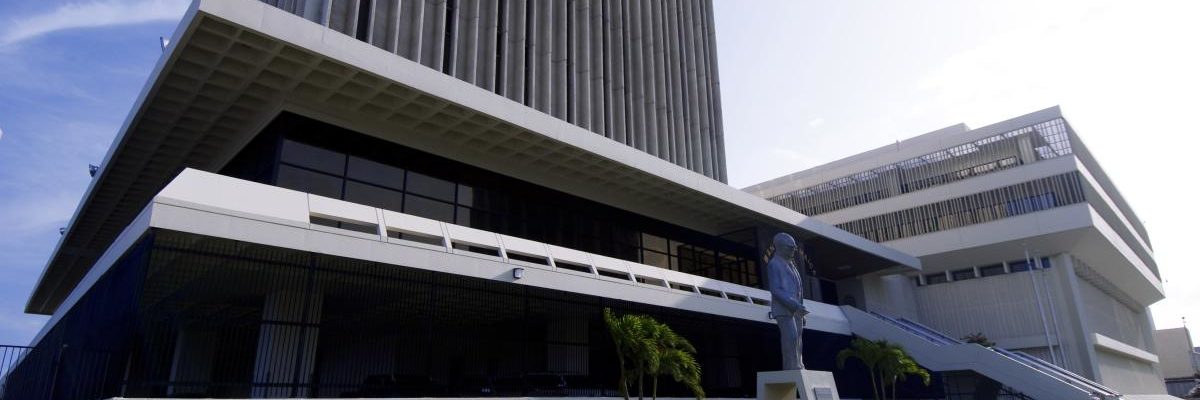
BOJ projects 4-6% inflation target will remain breached until 2027

/ Our Today
administrator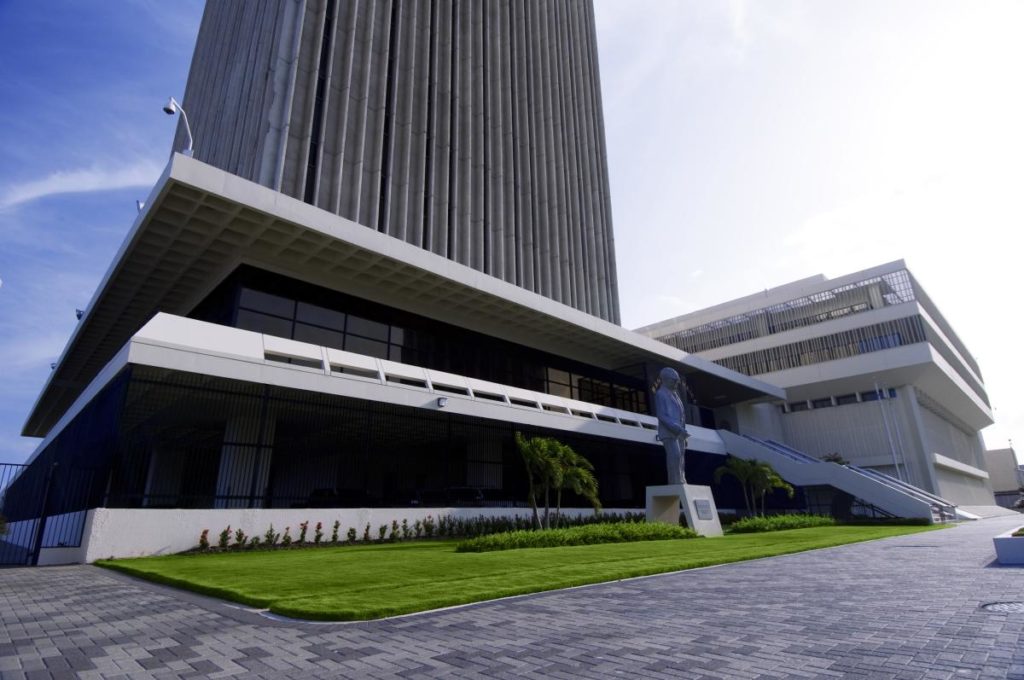
Durrant Pate/Contributor
Consumers will continue to feel the effects of higher prices until 2027, when the Bank of Jamaica (BOJ) projects that its four to six per cent inflation target will get back on track, as it admits that based on the current trend, the target will be breached over the next four quarters, peaking in the June 2026 quarter.
Governor Richard Byles, addressing the BOJ’s final quarterly briefing at its downtown Kingston headquarters on Monday (December 22), argued that inflation is projected to rise above the bank’s target range over the next four quarters, peaking in the June 2026 quarter and, as supply conditions improve along with the appropriate monetary policy response, will moderate back to the target range in early 2027.
On December 15, the Statistical Institute of Jamaica (STATIN) reported that headline inflation in November 2025 was 4.4 per cent, which was above the bank’s projections and higher than the 2.9 per cent recorded at October 2025. The higher inflation compared with October was due mainly to higher food price increases, reflecting early signs of the impact of the hurricane on raw food prices. Core inflation was 4.3 per cent at November 2025, which was above the 3.7 per cent recorded at October 2025.
When questioned whether, given the foregoing reality, the BOJ would consider adjusting the rate reflecting the ongoing environment, senior deputy BOJ Governor Dr Wayne Robinson told Our Today that the inflation target is set by the Ministry of Finance for a period of up to three years and adjusted accordingly, but the process is managed by the central bank.
For his part, Byles explained that the inflation target is set based on the state of the economy, growth prospects, size and debt to gross domestic product, adding, “there are a number of variables taken in account when that range is set (four-six per cent). Those variables and the state of the economy hasn’t changed to that extent that we would expect there to be a change in the range of four to six per cent.”

Hurricane impact on inflation
He highlights that the spike in annual headline inflation will rise sharply over the next few months from the 4.4 per cent recorded in November 2025 and will exceed the bank’s inflation target range of 4.0 to 6.0 per cent by early 2026.
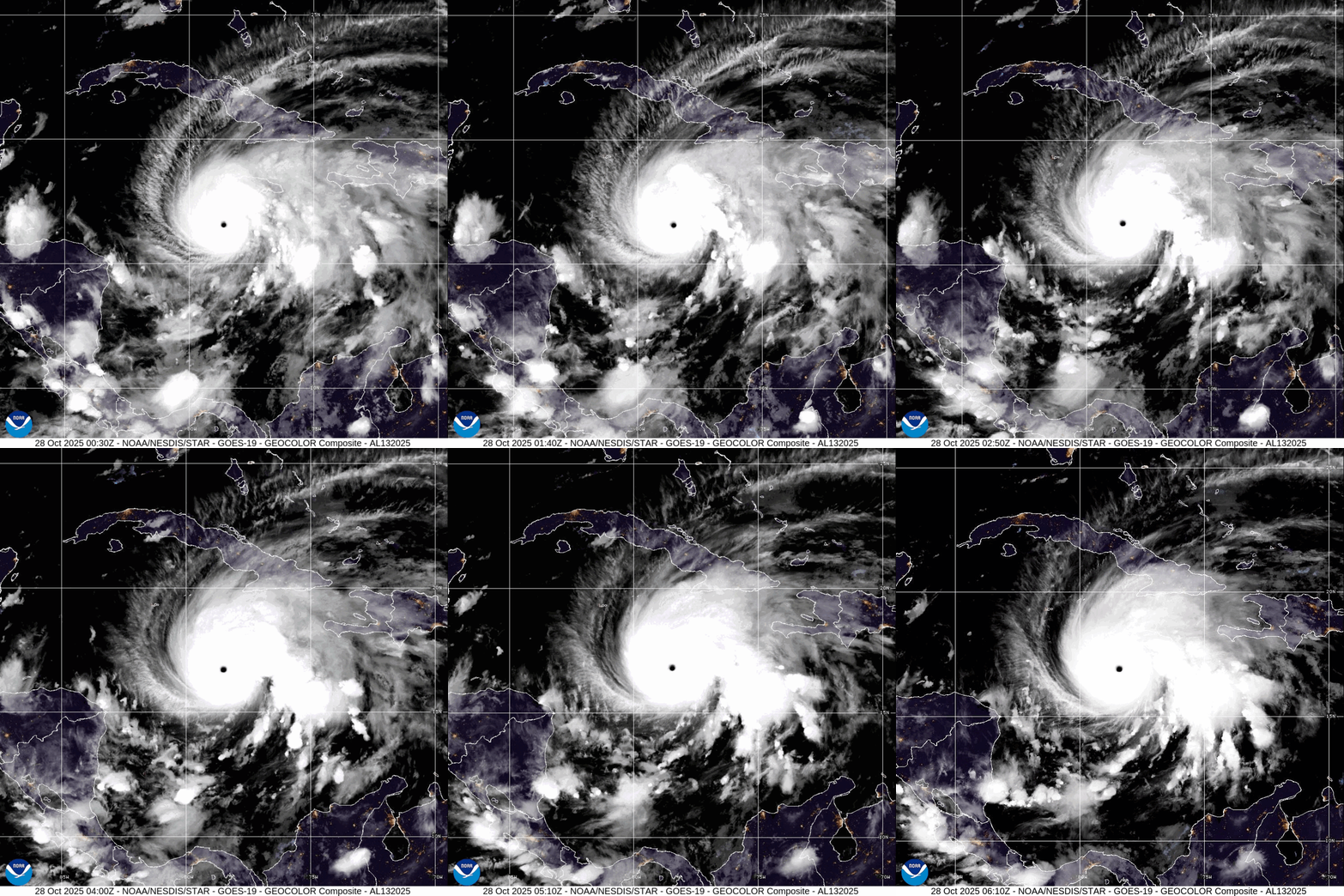
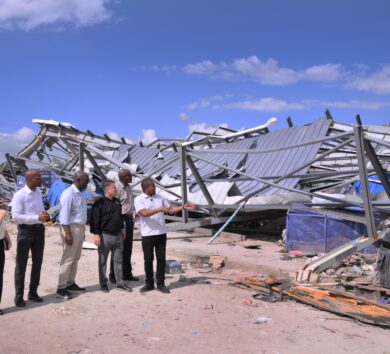
This rise primarily reflects Hurricane Melissa’s impact on the major food-producing parishes and disruptions to supply chains, particularly in energy and agriculture. These supply-side shocks lie outside the direct influence of monetary policy and therefore cannot be addressed through interest rate actions, but will have a knock-on effect on other prices.
Byles reports that core inflation (which excludes the prices of agricultural food items and fuel from the consumer price index (CPI)) will also rise over the next 12 months, breaching the inflation target range in early 2026. This will reflect another wave of price increases for other goods and services such as home repairs, meals sold at restaurants and personal care items.
According to the BOJ governor, “the higher core inflation will arise in the context of the anticipated surge in overall spending and economic activities related to recovery and the rebuilding efforts, supported largely by flows of external financing to the private and public sectors. The central bank is therefore positioning monetary policy to minimise such second-round effects and to constrain the inflation expectations of businesses and consumers.
The risks to the inflation outlook are skewed strongly to the upside, which means that there is a greater likelihood of inflation exceeding projections. This higher inflation could result from higher-than-expected demand to support the reconstruction efforts. For Governor Byles, inflation expectations could also rise, as households and firms anticipate higher prices and adjust their behaviour in ways that make higher inflation self-fulfilling.

As such, a more protracted recovery in the agriculture sector and more prolonged disruptions to its supply chains could also worsen food price increases, but there could also be long-term damage in specific industries, which could slow the improvement in the production and availability of supplies.




Comments