


Durrant Pate/Contributor
In a bold move, Canada and the United Kingdom have shaken up their retirement landscape, moving their retirement age from 67 to a new, flexible retirement age framework.
For generations, the magic number for stepping into retirement has been 65, but this existing system is being replaced with new eligibility rules and options taking shape for the country’s seniors. In the case of Canada, no firm date has been announced for the new framework to take effect, while for the UK, the new pension age should take effect from April 2026.
Despite waves of rumour and debate, the Canadian government has not officially increased the retirement age to 67 or higher for all nationals. However, ongoing debates and proposals have put the concept of raising the Old Age Security (OAS) and perhaps even Canada Pension Plan (CPP) age to 67 on the national agenda.
The standard age for OAS eligibility remains 65, while CPP maintains its flexible model—allowing Canadians to start claiming between 60 and 70. While no law mandates this shift in 2025, policymakers point towards Canada’s rapidly ageing population and financial sustainability as possible reasons for future reforms.
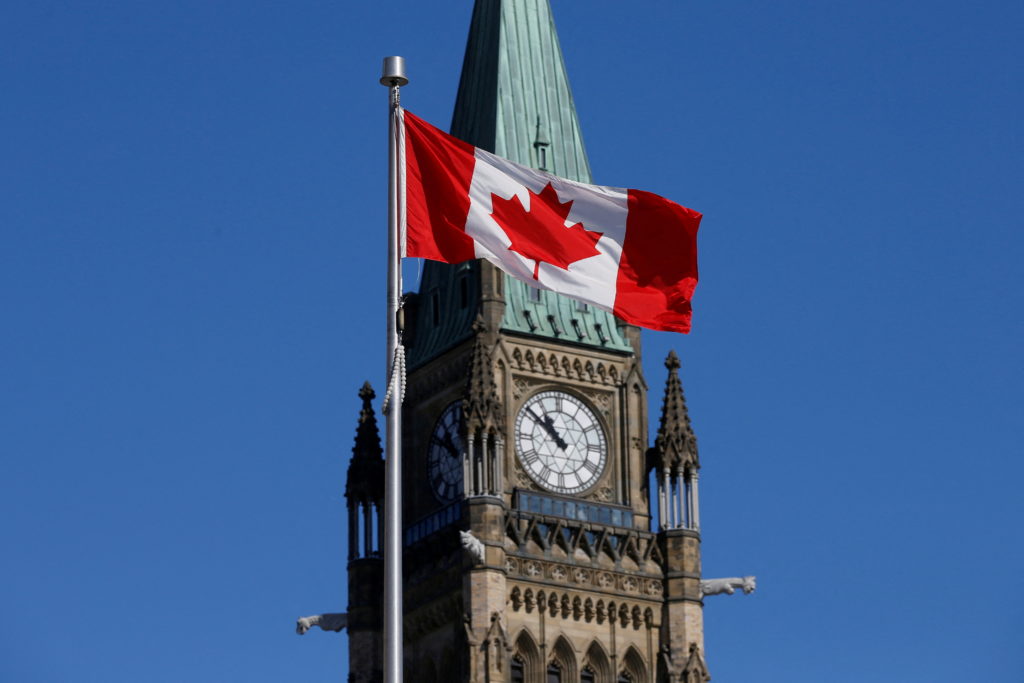
Main changes to Canadian retirement in 2025
The buzz this year is not about a confirmed new age, but rather about policy uncertainty, enhanced flexibility, and higher pension amounts:
- OAS eligibility remains at age 65 for now, but public discussion about moving it to 67 persists.
- CPP can still be claimed from ages 60 to 70, with increased rewards for those who wait.
- Delaying OAS and CPP leads to higher monthly payments. For OAS, you can receive up to 36 per cent more if you start at 70; with CPP, the boost is up to 42 per cent if you delay.
- Inflation adjustments continue, providing higher pension benefits for those 75 and older.
- New financial planning avenues and voluntary early retirement incentives are being discussed for select government employees, though not yet for all workers.
Canada faces a demographic shift—by 2030, millions more Canadians will be over age 65, increasing demand for pension payouts for longer. Maintaining the viability of both OAS and CPP means the government must constantly review the system to avoid future shortfalls. The standard age for OAS eligibility remains 65, while CPP maintains its flexible model—allowing Canadians to start claiming between 60 and 70.
Reforming the UK retirement age
After years of debate and public consultation, the plan to fix the UK’s State Pension Age at 67 is being scrapped, marking one of the most significant shifts in the country’s pension policy in decades. The government says this new move reflects the need to keep the system fair, financially sustainable, and aligned with changing life expectancy trends. For workers approaching retirement, this announcement will have a lasting impact on when and how they can claim their state pension.
For decades, the State Pension Age (SPA) has been linked to a fixed number—first 65, then 66, and finally 67, but the system has faced growing criticism for being too rigid in a time when life expectancy, health conditions, and job types vary so widely across the country. Officials from the Department for Work and Pensions (DWP) have stated that the “one-size-fits-all” approach no longer works.
People are living longer, but not everyone can keep working into their late sixties — especially those in physically demanding jobs or with health challenges. By removing the fixed retirement age, the government aims to introduce a more flexible and realistic framework that adjusts according to birth year, life expectancy, and national economic conditions.

Under the new plan, the State Pension Age will no longer remain frozen at 67. Instead, it will be reviewed and adjusted in stages:
- Those born before April 1970 will retain their current retirement age of 67.
- Those born between April 1970 and March 1979 may see their retirement age gradually rise to 68.
- People born after April 1980 could face an eventual increase to 69, depending on future reviews.
The DWP has also introduced a new five-year pension review system. This means that every five years, the government will reassess retirement age targets using updated life expectancy and workforce data. This change aims to ensure that younger generations are not unfairly burdened while still protecting current and near-retirement pensioners.
According to an official statement, the reform is driven by three key reasons:
- Longevity and health improvements – The average Briton now lives well into their 80s. That’s almost 20 years of retirement for some, creating a growing financial strain on the pension fund.
- Financial sustainability – With more people living longer, the State Pension budget has ballooned to over £100 billion annually. Adjusting retirement age helps keep the system solvent.
- Fairness between generations – Younger workers are paying higher taxes to fund pensions for older generations. The government says this change will distribute the cost more fairly over time.
Work and Pensions Secretary Mel Stride explains, “The UK’s pension system must remain both fair and affordable. These changes are not about taking benefits away but ensuring the system remains strong for future generations.”
How the change affects workers and pensioners
For people currently in their 40s or early 50s, this announcement means a potential delay of one to two years in receiving their State Pension. While that might sound small, it can have a major impact on retirement planning.
Those nearing 67 may not be affected immediately, but younger workers will need to prepare for a longer working life. Private pension planning, workplace schemes, and ISAs will play a more important role than ever before.
Financial advisers recommend that individuals review their current pension forecast on GOV.UK, increase workplace pension contributions if possible and diversify investments beyond the State Pension.






Comments