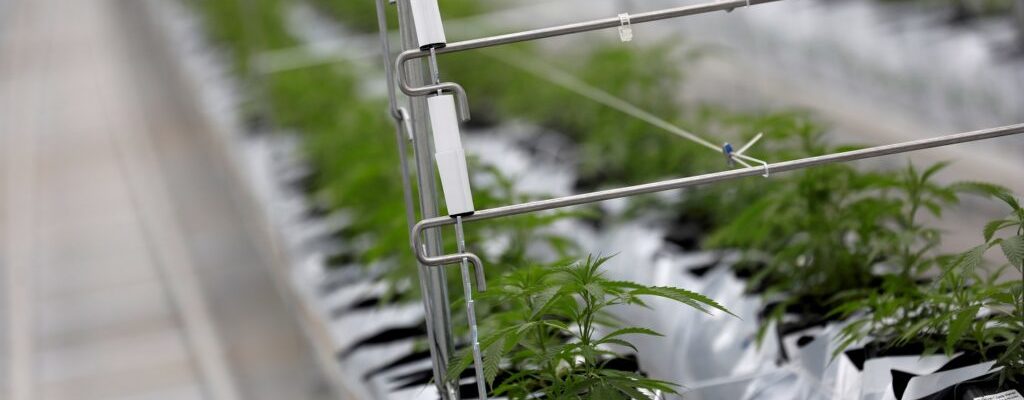
Cannabis use went up during COVID-19 lockdowns -UN Report

/ Our Today
administrator
The last two years were tough for the world with the COVID-19 pandemic putting a pause on life as we know it, forcing more people than ever to turn to marijuana.
A recent United Nations Office on Drugs and Crime (UNODC) report reveals that the legalisation of cannabis and the upheaval caused by the coronavirus saw as many as 209 million turn to cannabis in 2020.
The report notes that drug use in general has gone up across the world with cannabis taking the number one spot.
Based in Austria’s city of Vienna, the UNODC estimates that 285 million (5.4% of the world’s population) use drugs with heroin, ecstasy and cocaine on the rise.
Another factor the report draws attention to is the legalisation of cannabis thus increasing its usage. Canada, parts of the US, Uruguay have gone the that route while Spain, Germany and Thailand are looking to relax their policies on cannabis.
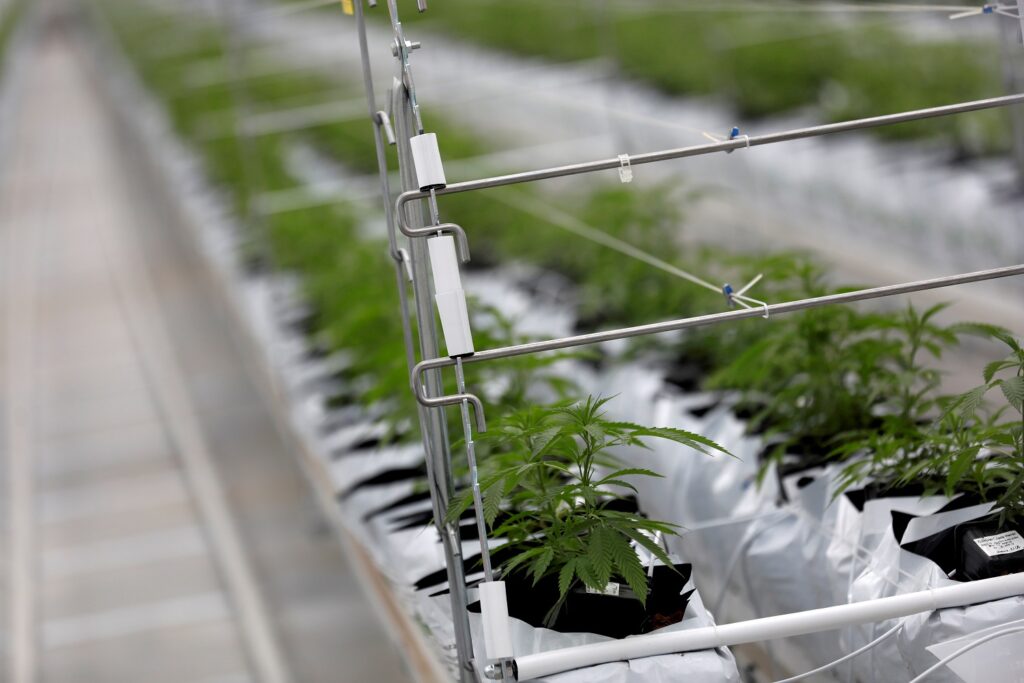
The legalisation of cannabis and lockdowns imposed to control the coronavirus pandemic have led to an increase in marijuana use around the globe, according to a United Nations
Cannabis Legalisation Leads to More Use
The UNODC report cites the legalisation of cannabis in countries such as Uruguay, Canada and parts of the US as one of the causes of the increase of use the drug in those nations in 2020. Since then, other countries including Germany, Thailand, Malta, Spain and Mexico have taken steps to liberalise their cannabis policy laws or have plans to do so, portending the prospect of even higher levels of marijuana use in the years to come.
There has been a marked increase in the potency of marijuana products as businesses turn to science and come up with new strains. Today it’s all about the THC.
“The proportion of people with psychiatric disorders and suicides associated with regular cannabis use has increased.”
Authors of UNODC report
“There has been a pronounced increase in reported frequent use of high-potency products among young adults.
“The proportion of people with psychiatric disorders and suicides associated with regular cannabis use has increased,” the authors of the UNODC report wrote.
The report drew a correlation between high usage of hashish and cannabis and an increase in psychological problems in Europe and the US.
The usage among young people is staggering as they turn to drugs to alleviate their problems.
Last year, the National Institute on Drug Abuse’s annual Monitoring the Futurestudy on substance use trends found that cannabis use rose to record levels among adults aged 19 to 30. The jump in cannabis use was particularly high among college students, with 44 per cent reporting that they had used marijuana in 2020, a spike of six percentage points from 2015 and an increase of 14 points from the low of 30 per cent recorded in 2006. With the jump, the incidence of cannabis use among college students rose to its highest level since 1983.
Drug trafficking is increasing with smugglers targeting Asia and Africa now. More people are turning to opioids with drug overdose deaths from painkillers jumping to 107,622 in the US last year with fentanyl growing in popularity. This was the drug it is said that contributed to the rockstar Prince.

“Numbers for the manufacturing and seizures of many illicit drugs are hitting record highs, even as global emergencies are deepening vulnerabilities. At the same time, misperceptions regarding the magnitude of the problem and the associated harms are depriving people of care and treatment and driving young people towards harmful behaviours,” said Ghada Waly, the executive director of UNODC.
Governments across the Caribbean are struggling to cope with the drug epidemic and struggle with a lack of resources. Drugs are now prevalent in schools. These governments are increasingly turning to multilateral agencies for help and support in combating the drug problem.
Waly continued: “We need to devote the necessary resources and attention to addressing every aspect of the world drug problem, including the provision of evidence-based care to all who need it, and we need to improve the knowledge base on how illicit drugs relate to other urgent challenges, such as conflicts and environmental degradation.”



Comments