China speeds up digital transformation of manufacturing sector

/ Our Today
administrator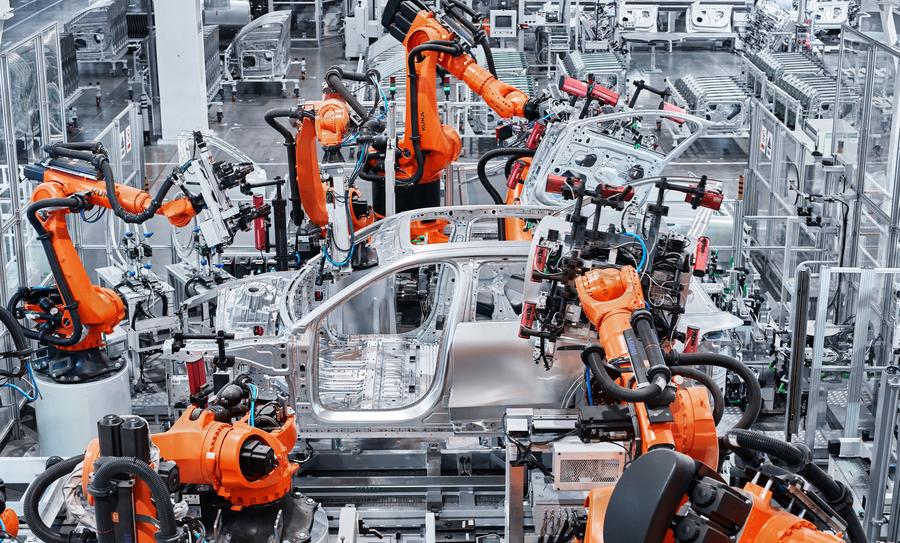
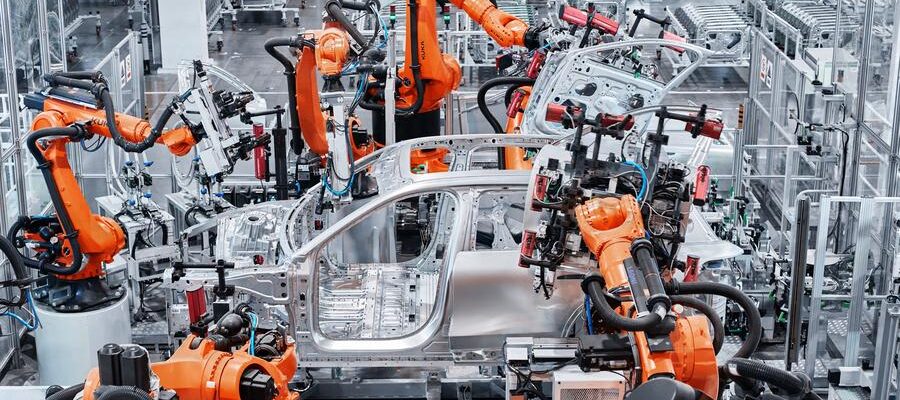
China has started to channel more energy into the digital transformation of its manufacturing sector to foster new quality productive forces and strengthen the economic momentum.
During a recent executive meeting, the State Council adopted an action plan aimed at advancing manufacturing digitalisation.
The plan includes measures to fulfil manufacturing needs across diverse scenarios, accelerate technological advancements, and enhance supporting efforts ranging from setting up standards to building service platforms.
Digital transformation is key to advancing new industrialization and the building of a modernised industrial system, according to the meeting.
As Chinese manufacturers have entered a critical stage in their digital shift, the latest government policies will provide guidance for them to speed up their digital drive and facilitate technological application and innovation, according to experts.
Zhu Minghao, a professor at Beijing Jiaotong University, said that a digitalised manufacturing industry is crucial to the development of new quality productive forces, as the deep integration of the digital economy and the real economy will create new business forms, new models and new services.
For three consecutive years, China has launched smart manufacturing pilot projects, building 421 national-level demonstration factories along with over 10,000 provincial-level digital workshops and smart factories.
Technologies such as artificial intelligence and digital twins have been applied in more than 90 per cent of the demonstration plants, while 5G has been promoted on a large scale in quality inspection, mining production and other fields.
The Industrial Internet now spans all major sectors, with over 200 application examples established.
Embracing the digital trend has brought tangible benefits to numerous producers across the country.
For example, Jiangxi Huayuan Knitting Company Limited, located in east China’s Jiangxi Province, previously had to produce a minimum of 200 kilogrammes of products to generate 1 kilogramme of samples with the machinery continuing to run.
However, following an over ¥10 million (about US$1.41 million) digital upgrade, the company has significantly minimised production waste and slashed costs.





Comments