
Christopher D. Lawe | Jamaicans say they cannot afford life insurance. The data says they are wrong

/ Our Today
administrator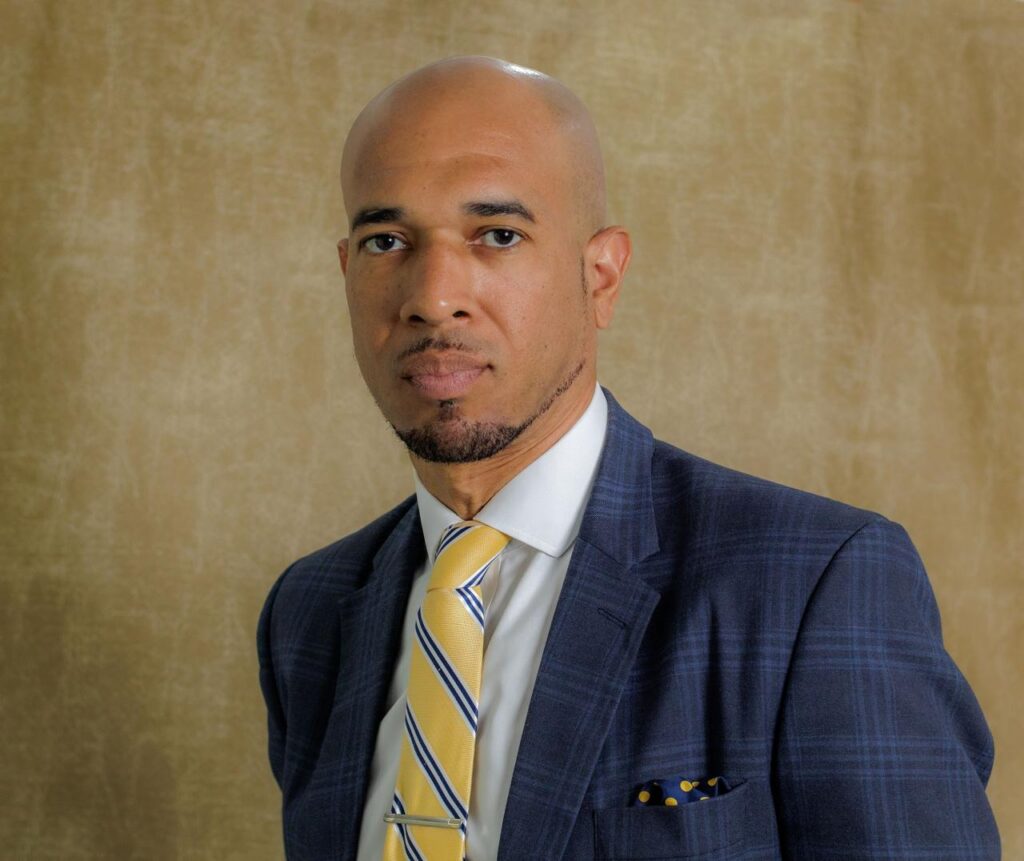
Here is what nobody wants to say out loud.
Most Jamaicans do not have life insurance. Most Jamaicans have convinced themselves that it is because they cannot afford it. And in most cases, that is simply not true.
That is the conversation Jamaica has been refusing to have for two generations. Today, on International Insurance Day, I want to have it.
Earlier this month, a free webinar on international life insurance drew Jamaicans with sharp, specific questions. Not passive enquiries. Real ones. Can I borrow against the policy while I am alive? Can I add critical illness and accident coverage later, after the basic plan is in place? If I die first, does the family plan rider keep going for my spouse? Is there an option for just end-of-life expenses?
Those are not the questions of a population that does not understand insurance. Those are the questions of a population that understands it perfectly well and is fed up with being talked down to.
So let me say the rest of what nobody is saying.
First, the price you think life insurance costs is almost certainly wrong. A survey published earlier this year found that nearly a quarter of consumers believe life insurance costs three times more than it actually does. In Jamaica, where the conversation happens even less often, and access to product information is thinner, the gap between perception and reality is almost certainly wider. Stop estimating. Get a quote. The number will surprise you.
Second, every year you delay costs you.

The younger and healthier you are when you take out a life policy, the lower your premiums will be for as long as that policy stays in force. People in their twenties and thirties who postpone until their forties are not saving money. They are paying significantly more for less for the rest of their lives. The best moment to get covered was ten years ago. The second-best moment is today.
Third, the underwriting process is not what it used to be.
The old insurance memory, the agent at the kitchen table, the long forms, the doctor’s appointment, the weeks of waiting, is outdated. Accelerated underwriting programmes can now place significant permanent coverage in hours, not weeks. No blood draw. No GP visit. The product has changed faster than the public conversation about it.
Fourth, and this is the one I want every Jamaican reading this to sit with, life insurance is not really about death: it is about what happens the morning after.
If the breadwinner in your household died tomorrow, what is the plan? Not eventually. Not in theory. Tomorrow. The grocery bill, the school fees, the rent or the mortgage, the light bill, the phone bill. All of that arrives next week, regardless of what happened this week. The Jamaican economy does not pause for grief. The landlord does not wait.
Life insurance is the instrument that gives a family time. Time to make decisions calmly instead of in crisis. Time to stay in the house while the surviving parent figures out what comes next. Time to keep the children where they belong. It does not bring anyone back. It buys the survivors the room they need to keep going.
Seven out of every ten Hurricane Melissa claims were underinsured. That is the statistic for the people who actually had policies. The people who did not are not in that number at all. They are just somewhere in western Jamaica, eight months later, still trying to figure it out.
On International Insurance Day, I am not going to tell you to buy a policy. I am going to tell you to find out what one would cost. Not from a friend who thinks they know. Not from an estimate in your head. From an actual quote, from an actual provider, for an actual product.
If, after that conversation, you still decide it is not for you, fine. At least you decided based on facts.
Right now, most Jamaicans are not deciding. They are just deferring. And the cost of that deferral lands on the people they love most, in the worst week of those people’s lives.
Today is a good day to stop.
Christopher D. Lawe, LUTCF, ARA, FLMI, AIRC, ACS, is Vice President of Individual Life at Frasier Fontaine & Kong, leader of the illustrious Spartan Sales Force, and author of Organic Success: A Paved Path to Record-Breaking Success.




Comments