
Christopher Issa honoured by journalists in western Jamaica

/ Our Today
administrator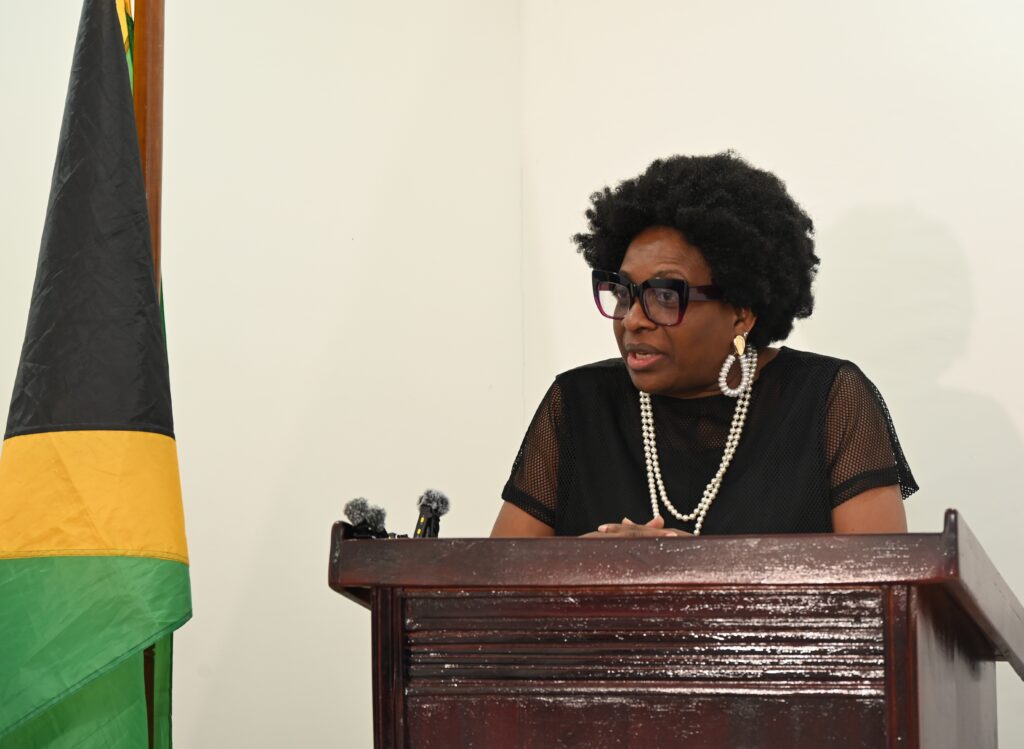
Members of the Western Jamaica Media Association (WJMA) have honoured Christopher Issa, owner and CEO of S Hotel Jamaica, for his pivotal support to journalists in the aftermath of Hurricane Melissa last year.
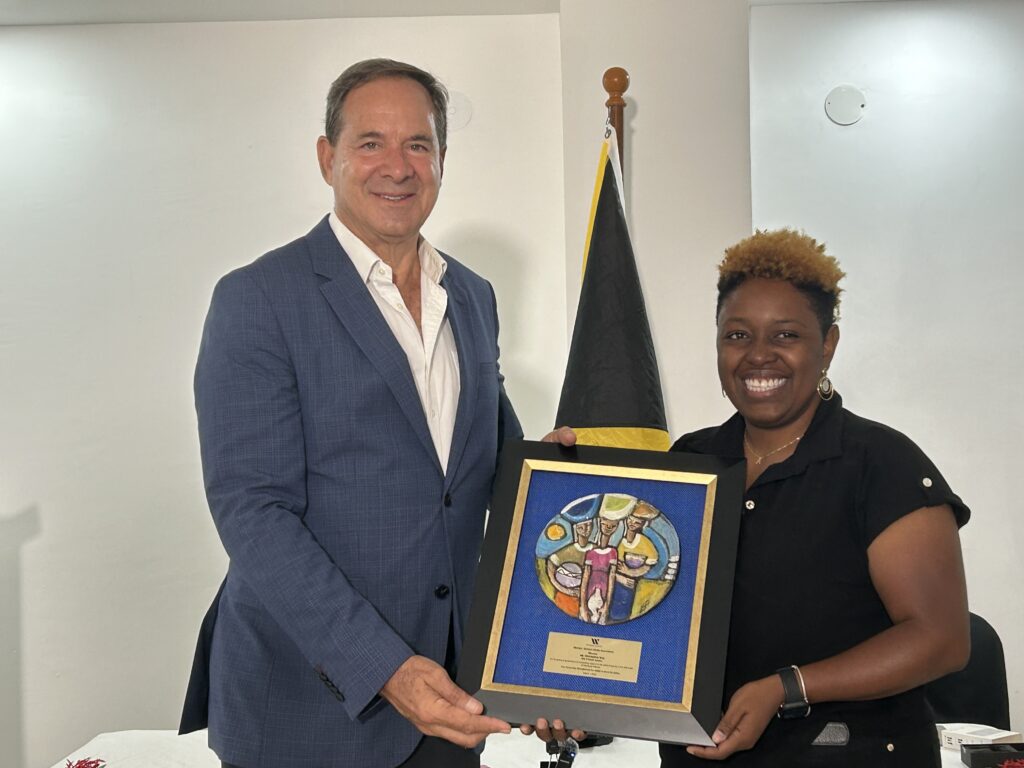
During a breakfast ceremony at Hotel 39 on Sunday, Issa was presented with a plaque in recognition of his decision to convert the Montego Bay property’s S Club facility—traditionally reserved for in-house entertainment—into a fully functional media operations centre.
In the wake of the Category 5 hurricane, which tore through western Jamaica on Tuesday, October 28, 2025, leaving billions of dollars in damage, media practitioners faced severe reporting challenges, including unreliable phone connectivity and intermittent email access.
Recognising the urgency of the situation, S Hotel opened its doors, providing journalists with reliable internet service, a dedicated workspace, meals, security and a professional environment from which to file their stories.
WJMA President Janet Silvera hailed Issa’s intervention as unprecedented.
“Journalists no longer had to choose between safety and signal. They no longer had to sit in parked cars hoping for connectivity. They had a professional environment. The staff treated us with respect. We felt valued and supported in the critical role we were playing in national recovery,” Silvera said.
“For days, the S Hotel became more than a hospitality venue. It became a command centre for truth. I do not recall anything like this ever being done before in Jamaica. We give ourselves credit for the idea, but it would not have been possible without Mr Christopher Issa.”
From that space, stories were filed that mobilised assistance, reconnected displaced families, documented loss and chronicled resilience across western parishes.
Silvera underscored that Issa’s actions went beyond goodwill.
“What you provided was not charity—it was partnership. You understood that in times of crisis, the media is not separate from recovery; it is central to it. You acted quietly, without fanfare. That is who you are.”
WJMA Vice President Garwin Davis described the gesture as “monumental”, noting that honouring Issa was a “no-brainer” given the impact of his support.
Issa turns spotlight on journalists
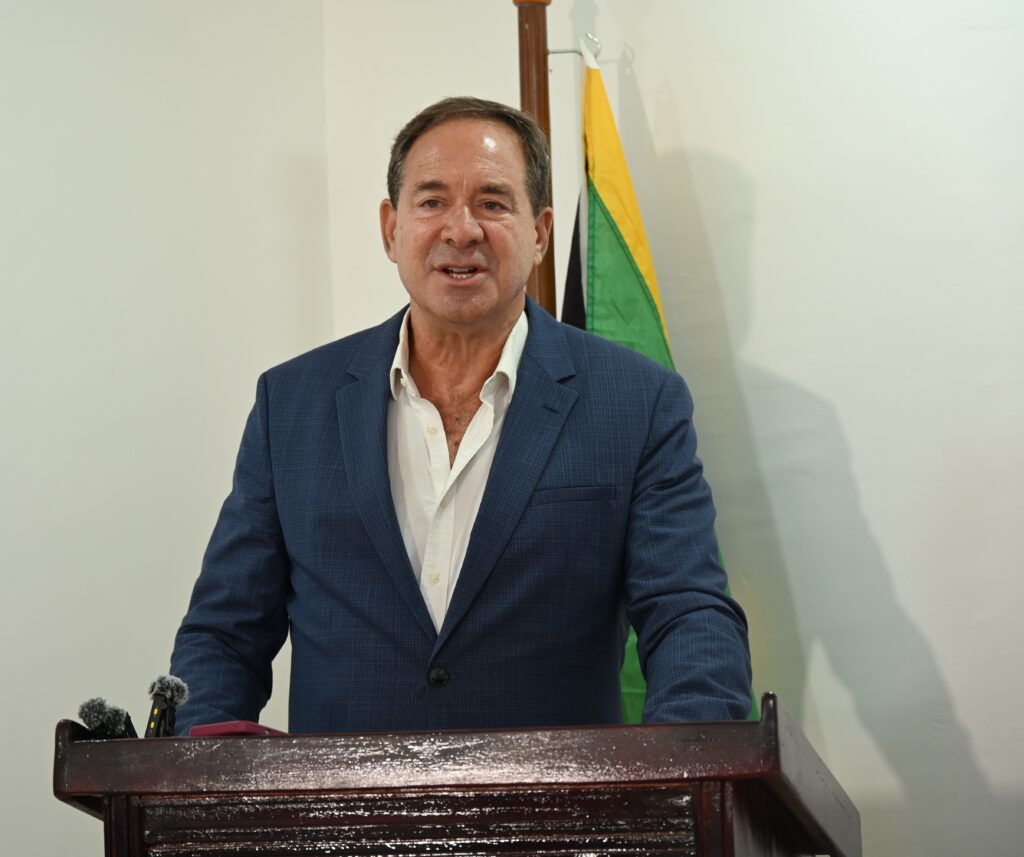
In response, Issa insisted that journalists were the true heroes of the recovery effort.
“I truly believe that you are the ones who should be honoured here today for the work you did during the hurricane. I realised it was not an easy time,” he said.
“Just receiving reports from the various areas you were covering brought peace of mind to many people. There was literally no communication for days. People desperately wanted to know: Are my loved ones okay?”
Issa reflected that one of the most powerful moments in the coverage was when journalists were able to confirm that, despite widespread devastation, lives had been spared. “At the time when it mattered most, you were out there doing your job.”
Shortly after the hurricane, S Hotel launched its ‘S for Shelters’ initiative, delivering 63 shelters across western Jamaica. Issa acknowledged that logistics proved challenging, as teams were forced to clear fallen trees and electrical poles with chainsaws and other tools to reach cut-off communities.
“It was only when I followed one of the deliveries that I began to realise the journey you must have had getting to various locations to provide your reports,” he said.
At the time of the storm, the hotel was at full capacity. While the property escaped damage and maintained internet connectivity and generator power, many staff members were unable to reach their families due to widespread communication breakdowns.
“What really struck me was how dedicated our staff were. They did not know how their families were doing, yet they remained to look after our guests,” Issa shared. “We encouraged them to check on their loved ones, but with no communication and impassable roads in some areas, there was real uncertainty.”
Through decisive leadership and quiet collaboration, Issa’s intervention ensured that the flow of information continued at a critical moment in Jamaica’s recovery—strengthening not only the media’s capacity to report, but the nation’s ability to respond.


Comments