Companies Act 2021 will virtually create efficiencies and better business environment -Senator Wehby

/ Our Today
administrator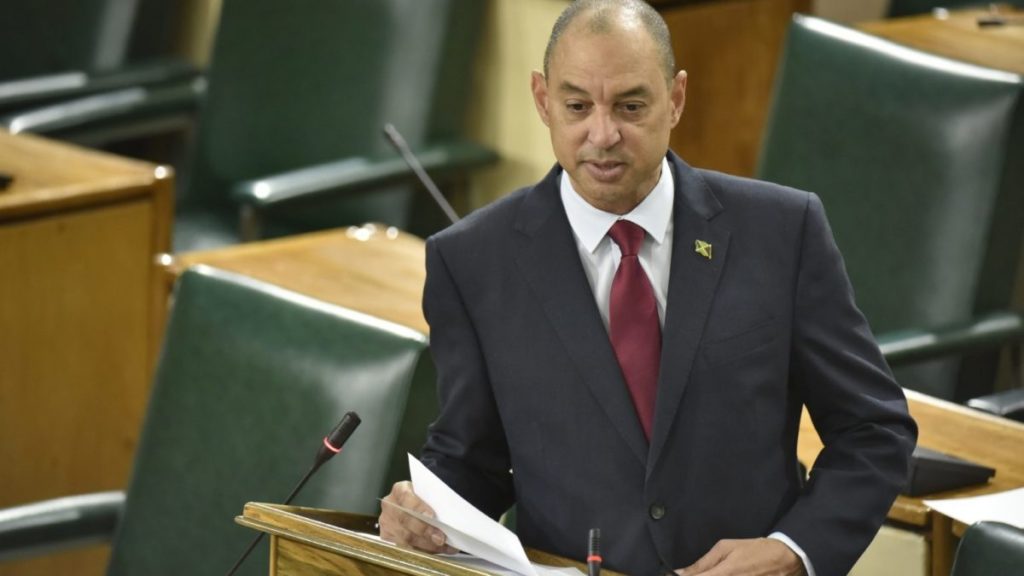
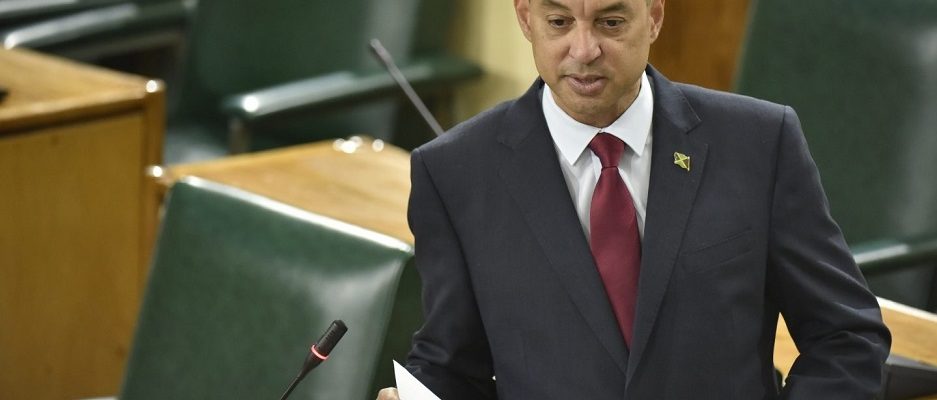
Group CEO of GraceKennedy, Senator Don Wehby made his contribution to the Senatorial debate on the Companies (Amendment) Act 2021 which among other things addresses the issue of companies hosting virtual or hybrid general meetings in light of the COVID-19 restrictions.
Our Today brings you Senator Wehby’s presentation:
Mr. President, I rise in support of the Companies (Amendment) Act 2021.
As mentioned before, when passed this legislation will:
- Allow companies to host general meetings in a virtual or hybrid format, and
- Allow the Registrar of Companies to grant an extension of time for the holding of an annual general meeting and avoid any penalties that could arise if they are unable to hold the AGM within the timeframe stipulated in the legislation.This Bill will also address the uncertainty that was created around whether hosting a virtual or hybrid general meeting was allowed under the Companies Act.
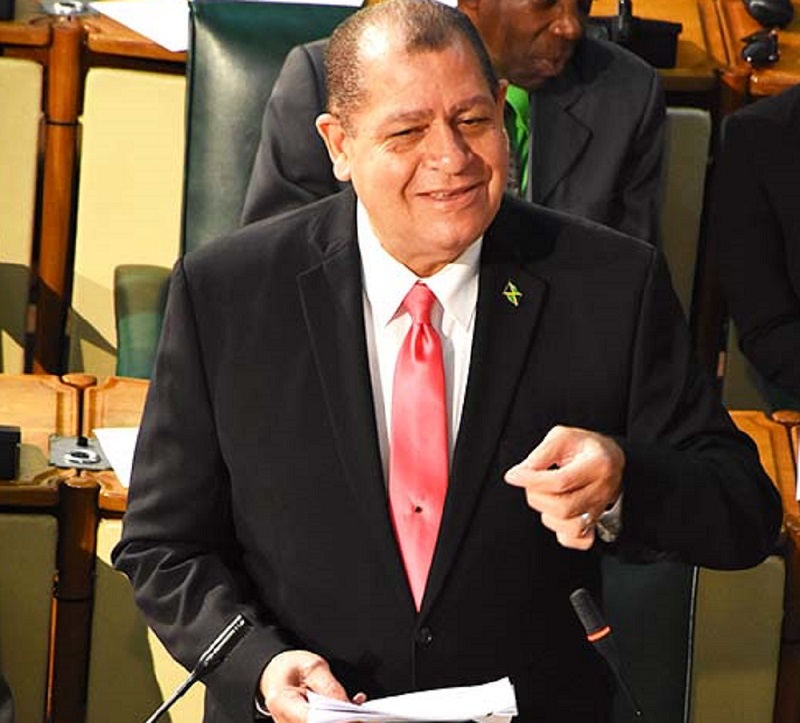
- I want to commend Hon. Minister Shaw for responding to the concerns of stakeholders. Many companies have faced challenges to host their annual general meetings owing to the measures implemented under the Disaster Risk Management Act, which imposes restrictions on gatherings, to curb the spread of the Covid-19 virus. As you know shareholders participation as owners of the company is the most important aspect of any AGM.
- Currently, companies have been approaching the courts on a case by case basis to get permission to convene a virtual/hybrid meeting and at significant cost. The cost of seeking permission from the court to convene a virtual/hybrid meeting is approximately J$ million. An added cost burden in an already challenging economic environment.
We have also seen where additional cost has been incurred by companies to make provisions to host an in person general meeting that complies with health and safety protocols. These costs can be minimised with the amendments.
Mr President, we are living in unprecedented and unpredictable times and we are not sure when the pandemic will end. The health and safety of all stakeholders is paramount. This legislation is therefore timely as it offers a feasible option for companies to host general meetings in a format that will ensure the safety of stakeholders while supporting business continuity.
As a CEO and Director of a public Company and Chairman and Director of another public company I was a bit concerned about how we would facilitate an annual general meeting in the pandemic. We investigated whether the appropriate technology was in place. This software would facilitate participation by audio and video and offer chat and messaging tools and sharing capabilities. And most importantly the ability for shareholders to vote in the meeting. Based on investigations this software was available in Jamaica.
And the biggest pleasure for me was that this software was developed in Jamaica by a Jamaican owned company which owns the intellectual property in the software.
We also benchmarked against international companies such as Coca-Cola and Nestle in the United States that had virtual meetings and Barclays Bank in the UK which had a closed meeting with live stream
Mr President, I always say in every crisis there is opportunity. For the first time in GraceKennedy’s history, shareholders were able to participate online in discussion and vote virtually in our AGM. I believe that the hybrid meeting will become the norm in the future. A hybrid meeting allows persons to participate at the same time using an electronic means and by being present in person. In this format everyone comes together irrespective of time zone, physical distance, or other circumstances.

GraceKennedy for example is an international company with shareholders in 24 countries across the world—including Italy, Australia, China, and Japan and all participated. In my opinion this is a big positive for the equity market in Jamaica and the Jamaica Stock Exchange.
Mr President, pre Covid-19 direct foreign investments amounted to approximately US$650M. I’m sure these investors would welcome the ability to host their companies’ virtual/hybrid general meetings. This should also include in the future International Business Corporations. Jamaica would be viewed as a more business friendly environment.
The business landscape has changed and will continue to do so. We will move to what will be considered a “new normal”. These amendments are a reminder that we need a robust legislative mechanism in place to respond in an agile manner to:
- new business requirements and
- to ensure we maintain best practices in good governance which are constantly changing in response to the social, legal, economic and regulatory climate.
For instance, public companies overseas are required to include a discussion of Economical, Social and Corporate Governance (ESG) in their annual report. ESG criteria are a set of standards for a company’s operations that socially conscious investors use to screen potential investments. Investors are increasingly applying these non-financial factors as part of their analysis process to identify a company’s material risks and growth opportunities.
Mr President, 2004 was the last time we did a comprehensive review of the Companies Act. That was 17 years ago, so I support the Hon Minister Shaw that there will be a next phase of amendments to the Act to strengthen efficiency in relation to the incorporation of companies, administration of company meetings and proceedings, and deterrents against companies being used for money laundering and other illicit activities. There is one issue that has surfaced that ought to be considered in the next round of amendments to the legislation. It relates to section 157(2) of the Act, which requires the Auditor’s Report to be read at a company’s general meeting.
A new set of International Financial Reporting Standards were published by the International Accounting Standards Board in 2017. As a result of this, changes in requirements affecting the Auditor’s Report have expanded materially, with the result being that the report is significantly longer. Five years or so ago the Audit Report was a page or two, and now it is in the range of nine pages.
Mr President, I am an accountant by profession and believe firmly that in the interest of transparency and accountability that shareholders should have the information available for them to ask informed questions.
So, Ithink that we can find a middle ground where we create efficiency in the administration of the meeting while ensuring shareholders rights are not negatively impacted.
The question is therefore, whether with the changes in international reporting standards, we should adopt the UK approach to the reading of the Auditor’s Report.
That approach allows the Auditor’s Report to be treated in the same way as the financial statements are currently treated. That is, to be laid before the members at the meeting, and taken as read, bearing in mind that those reports would have been previously published by companies in their annual report. Alternatively, the legislation could allow a summarized or abridged version of the report to be read which would highlight key information. This approach would make more time available to discuss other governance issues and the future of the company.
Mr President, in closing I commend the government on being proactive in amending the legislative framework to allow for virtual and hybrid general meetings. I also support further amendments to the legislation to strengthen the business framework to create efficiencies and a more business friendly environment.





Comments