
Cuba confirms diplomatic talks with Washington amid economic turmoil

/ Our Today
administrator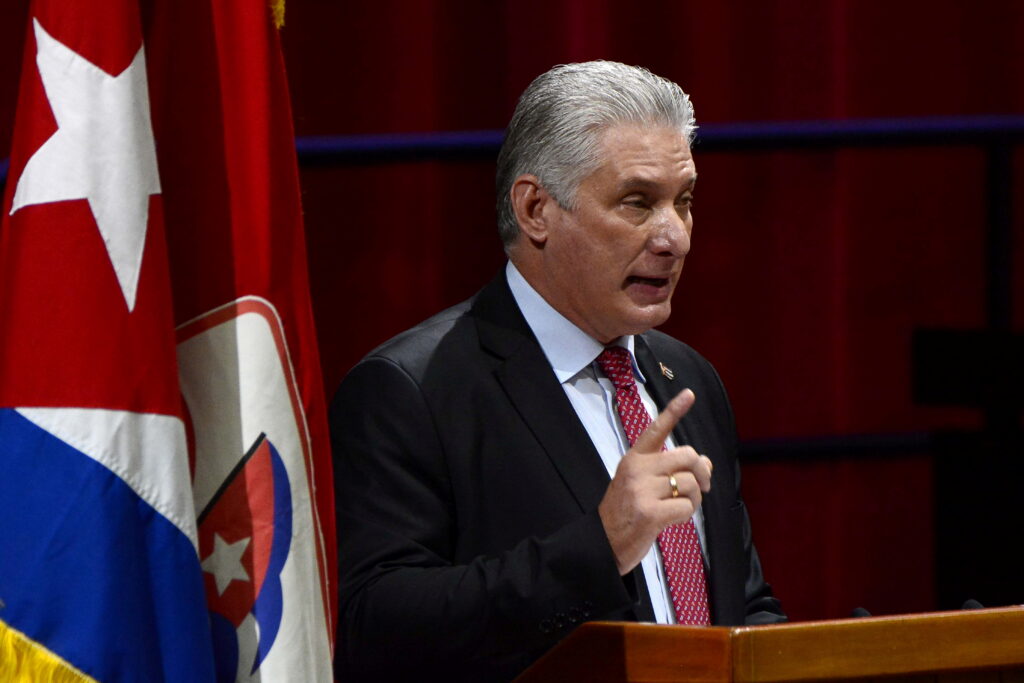
The Government of Cuba is confirming it has held discussions with the Donald Trump administration.
President Miguel Díaz‑Canel disclosed that the talks were aimed at addressing longstanding differences between the two countries through diplomatic dialogue, confirming earlier speculation that back-channel discussions had been taking place between Havana and Washington, as tensions between the two nations escalate.
“These conversations have been aimed at seeking solutions, through dialogue, to bilateral differences that exist between the two nations,” Díaz-Canel said in a statement shared on social media by Cuban Foreign Minister Bruno Rodríguez Parrilla.
Not many details provided
The Cuban leader admitted that unspecified international factors helped facilitate the exchanges but did not provide further details on the scope or participants involved in the discussions.
However, the talks come at a time of heightened political pressure on the communist led Caribbean island, where Trump has renewed his rhetoric toward Cuba, including suggesting the possibility of a “friendly takeover”.
He also warned that the country’s communist government faces mounting challenges. In the meantime, Cuba is grappling with a worsening economic and energy crisis. The United States has imposed an oil blockade on the island, significantly restricting fuel supplies and intensifying existing shortages.
The situation has been exacerbated since the removal of Venezuelan leader Nicolás Maduro earlier this year, which disrupted a key source of oil imports for Havana. The fuel shortages have had widespread consequences across the island.
Cuba has not received petroleum shipments for several months, placing severe strain on the country’s electricity grid and contributing to rolling blackouts across multiple regions. Last week, a massive power outage left millions of Cubans without electricity, underscoring the severity of the energy crisis and its impact on daily life and economic activity.
Despite the ongoing dialogue with Washington, Díaz-Canel cautioned that any diplomatic progress would take time. Speaking at a press conference on Friday morning (March 13), the Cuban president emphasised that negotiations between the two countries would be complex and require sustained engagement from both sides.

“Negotiations are long processes,” Díaz-Canel contends, noting that meaningful dialogue depends on maintaining communication channels and mutual willingness to reach agreements.
The confirmation of talks marks a notable development in the strained relationship between the US and Cuba, raising questions about whether diplomatic engagement could ease tensions or reshape the geopolitical dynamics in the region.


Comments