
Cuba laying the groundwork for expansion of small businesses

/ Our Today
administratorCuban government announced new legal framework for small businesses to operate

Cuba is expanding the ways small private enterprises can operate in the communist controlled Caribbean country, setting out a new legal framework for their operation and expansion.
The new framework announced last week by Cuban President Miguel Díaz-Canel, comes as the socialist government launched new efforts to revive the island’s fragile economy amid its worst crisis since the collapse of the Soviet Union. The Cuban leader announced a package of measures for the authorisation in principle for small and medium enterprises to expand and operate in several sectors of the economy.
The new measure, it is anticipated, would create a more fertile environment for investments and to stimulate momentum for engagement with the United States. Some of these businesses, like self-employed entrepreneurs in the tourism sector, for instance, have been operating for decades and could potentially expand under the new rules.
Micro, small and medium-sized private enterprises will be allowed to operate in more of Cuba’s non-strategic sectors including restaurants, beauty parlors and pet grooming and veterinary services. It is unclear how soon any real change will take place, considering past moves to revitalise the economy never got off the ground.
State-run companies will remain the foundation of Cuba’s economy
The decision still has to be written into law and doesn’t change the basic premise that state-run companies are the foundation of the island’s economy. However, the signal being made by the communist government is that the administration is working to make the economy more dynamic at such a painful moment is enough to create some hope for economic growth.
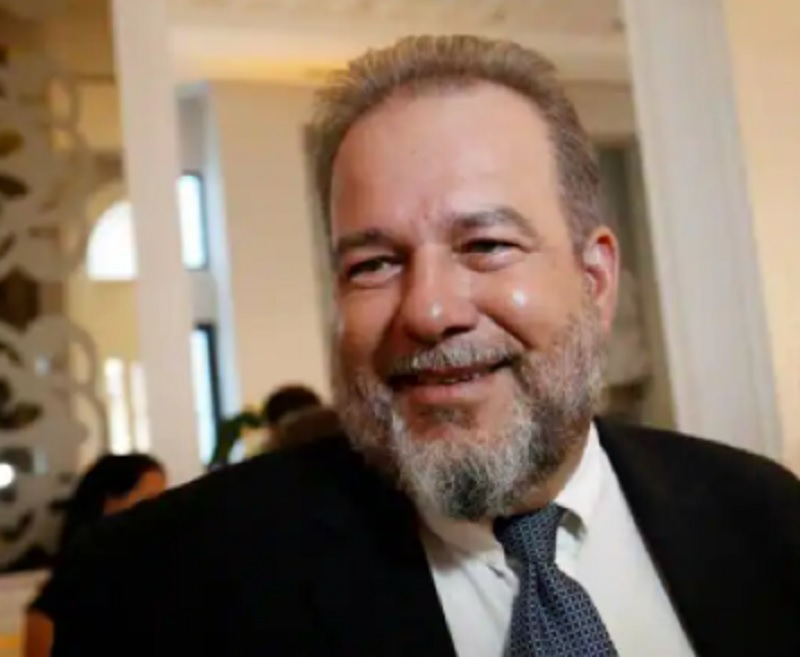
Prime Minister Manuel Marrero explained that private enterprises will not be allowed in strategic sectors like health, telecommunications, education, energy and defense. The Miami Herald quoted Marrero as explaining that industries long under state control, like tobacco and sugar production, likewise will remain solely in government hands..
Marrero further explained that, “none of the changes will lead to any privatisations, but are meant to “recognise, diversify and strengthen the management of Cuba’s economic actors”.
Pedro Freyre, a Cuban American attorney with Akerman LLP, who advises companies doing business in the island, told The Miami Herald that ”this is the sort of foundation for an economic takeoff for private enterprises in Cuba”.
Latest piecemeal expansion of Cuba’s private sector
This latest piecemeal expansion of Cuba’s private sector has been plagued by the island’s suffocating bureaucracy. The expansion of the island’s private sector and economic reforms to make Cuba more market friendly were first proposed a decade ago, when the biggest shake-up of the island’s state-run economy was drafted during the 2011 Communist Party Congress.
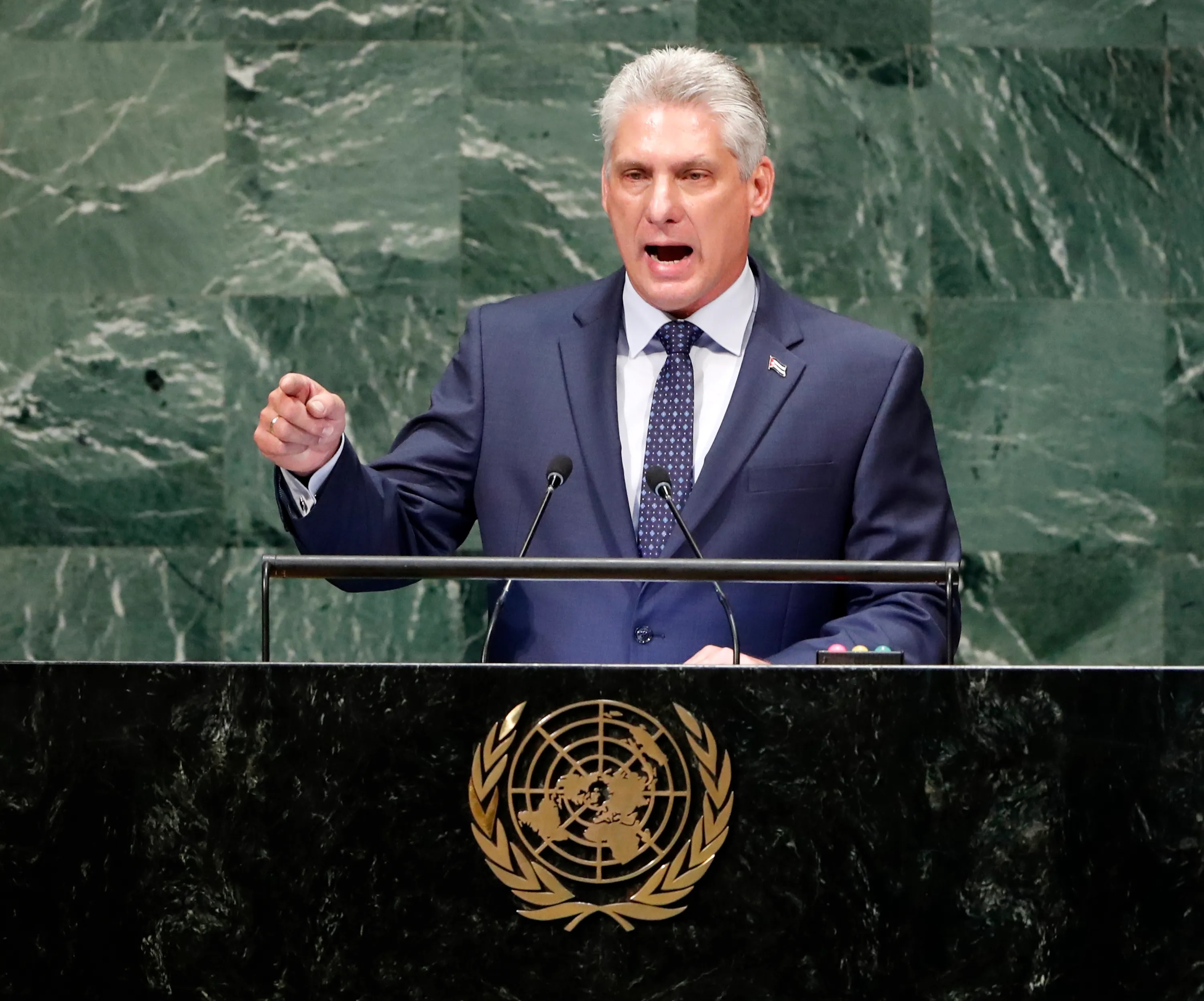
More than 300 reforms were announced back then and subsequent congresses didn’t advance much on an implementation plan. However, the sharp deterioration in Cuba’s quality of life in recent months, including severe food and medicine shortages and a spike in COVID-19 cases, is likely pressuring Díaz-Canel to act more decisively and speed up economic activity after he was appointed the all-powerful chief of the island’s Communist Party in April.
While busy traveling the country to assert his leadership as the first person without the last name Castro to take the party’s reins, Díaz-Canel has also criticised the state sector’s inefficiencies.




Comments