Cuba reports 32 nationals killed in US attack on Venezuela

/ Our Today
administrator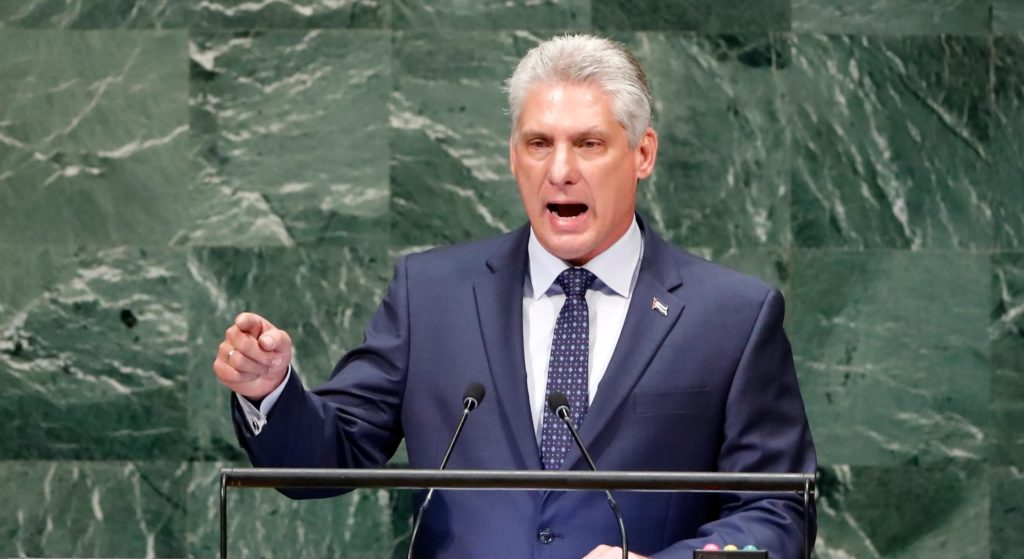
The Cuban government is reporting that 32 nationals were killed during the US operation to seize Venezuelan leader Nicolás Maduro on Saturday.
The communist led Caribbean nation described the dead as members of its armed forces and intelligence agencies, saying they were killed “in combat actions”, declaring two days of national mourning. The Cuban armed forces said the nationals “fell, after fierce resistance, in direct combat against the attackers or as a result of bombardments of installations”. Cuba, a long-standing ally of Venezuela, has for years supplied Maduro with his personal security detail and has personnel throughout the Venezuelan military.
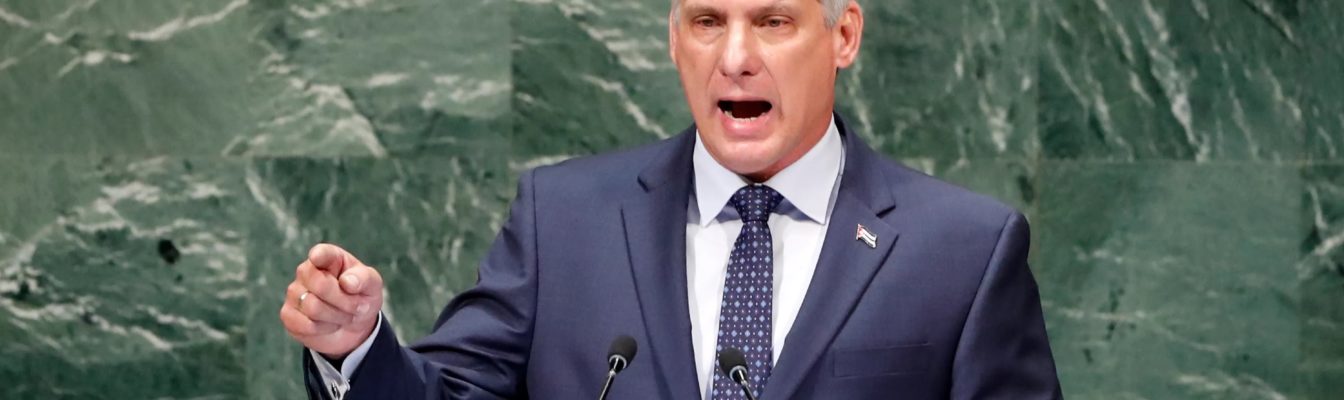
Cuban President Miguel Díaz-Canel said the country had been protecting Maduro and his wife “at the request” of Venezuela. The US carried out several air strikes against targets in Venezuela as an elite military unit made its way to Nicolás Maduro’s compound. US spies had been monitoring Maduro’s movements for months before US forces struck, according to US General Dan Caine, who went on to explain that they had learned where the former leader moved, lived, travelled, ate, and worked.
The New York Times reported that the CIA had also recruited a “Venezuelan source” who, it says, informed the Americans of Maduro’s exact location. Many of those killed are believed to have been part of Maduro’s close security detail, who were with him at the time. Venezuela has not confirmed how many people were killed, but its armed forces have said that a “large part” of Maduro’s security team was among the casualties.
Death toll is 80 and expected to rise
An official statement from the Cuban government read: “Our compatriots fulfilled their duty with dignity and heroism”. The total death toll—according to an unnamed Venezuelan official cited by the New York Times—stood at 80 and was expected to rise. BBC News has not independently verified that report.
In the days following the seizure of Maduro, questions have been raised over whether the Trump administration could consider a similar operation against Cuba, which, like Venezuela, has had decades of adversarial relations with the US. Speaking to reporters on Sunday, US President Donald Trump said military action would not be necessary because “Cuba is ready to fall”. He continued: “I don’t think we need any action. Looks like it’s going down. It’s going down for the count.”
On Saturday, US Secretary of State Marco Rubio described Cuba as a “disaster” run by “incompetent, senile men”. “If I lived in Havana, and I was in the government, I’d be concerned—at least a little bit,” Rubio said. In July last year, Trump signed a memorandum imposing tighter restrictions on Cuba, reversing moves by his predecessor, Joe Biden, easing pressure on the Caribbean island nation.
The White House said it would end “economic practices that disproportionately benefit the Cuban government, military, intelligence, or security agencies at the expense of the Cuban people”. It also said existing restrictions on Americans visiting Cuba would be more stringently enforced. During his first term as president, Trump took a similar approach to Cuba, implementing a raft of additional sanctions.
His administration has continued an economic embargo on Cuba, despite calls by international organisations, including the United Nations, to end it. The blockade was initially imposed in 1962 and has been in place ever since.


Comments