David P. A. Mullings | Relief With Respect

/ Our Today
administrator
My home country of Jamaica was devastated by one of the strongest hurricanes to ever make landfall in the Atlantic. Hurricane Melissa has changed lives forever and as a survivor of Hurricane Gilbert in 1988, which ripped off our roof, put a tree in our house after and forced us to move out for 8 months, I can relate to the traumatic experience some of my fellow Jamaicans are dealing with right now.
Help has arrived quickly, and the large Jamaican Diaspora, estimated at some 3 million people living outside of an island that has a population of around 2.8 million, mobilised to donate needed items and ship them to Jamaica through trusted partners.

However, Pastor Rae Whitely, who is in the WhatsApp group quickly organised by my close friend and former boss on the Hilary Clinton Campaign, Dr Karen Green, made a suggestion that made me think differently about aid in times of natural disasters. He suggested that we send money to buy supplies locally because it allows more money to circulate in an economy that will badly need it, helps to preserve jobs and the items are already closer to people. This would include food, diapers, water, tarpaulin, batteries, flashlights, power banks and so forth.
This idea of relief with respect really struck a chord with me, and I spoke with the Co-founder and COO of a company that was already allowing Overseas Jamaicans to make purchases back home for friends and family, Jermaine Morgan of GroceryList Jamaica.
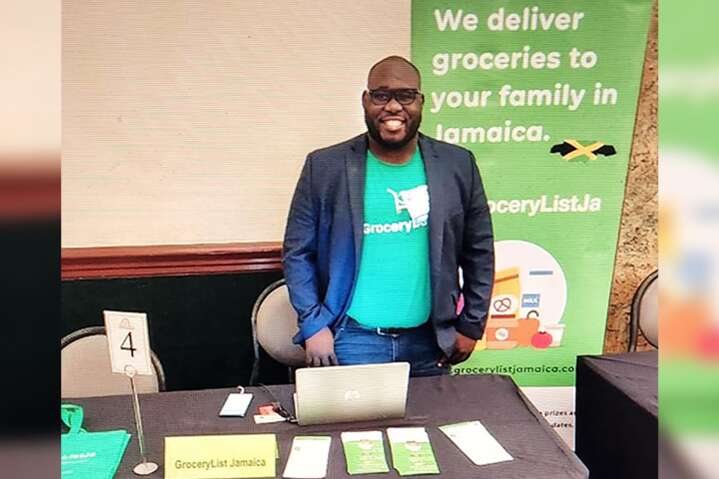
“Relief should restore dignity, not dependency,” said Jermaine Morgan. “By purchasing goods right here in Jamaica, we cut out red tape, preserve jobs, and make sure every care package reflects the real needs of Jamaican families.”
The standard reaction is to rush to your local big box store and buy water, food and other items then identify a drop-off location where they will be packaged and shipped to the disaster area. This overlooks what is locally available and the benefits to spending locally.
It is very hard to lose your house and lose your job. One Jamaican online said that “money cannot spoil”, which is also a reminder that cash donations go further in many cases of disaster relief, provided it goes through transparent and trusted channels.
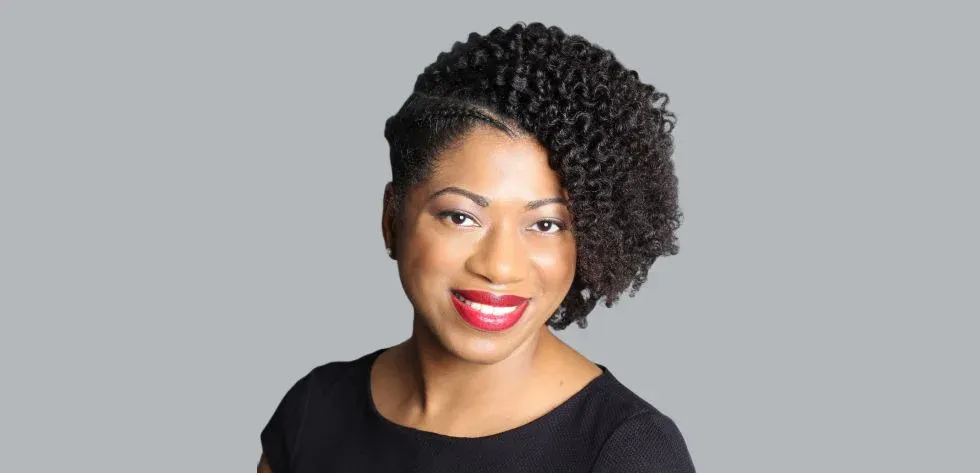
Sourcing locally empowers locals to help with the rebuilding process, which also helps with their mental health and survivor’s guilt. This past May, Jamaica hosted the Global Climate Finance Forum in Montego Bay, an area that was in the path of Hurricane Melissa, that has sustained significant damage. I was invited to attend and had the opportunity to speak with Marilyn Waite who was instrumental in the execution of the important event and according to Impact.info she “chose Jamaica as the venue for the Global Climate Finance Forum due to its climate vulnerability and also what she calls its ‘climate genius’.
Marilyn added that, ‘‘There’s been remarkable innovation. Jamaica was the first country, for example, to issue a climate disaster bond.”This catastrophe bond was purchased in 2021 and renewed in 2024, providing relief capital in addition to any payouts from the Caribbean Catastrophe Risk Insurance Facility (CCRIF) of which Jamaica was a founding member government since its establishment 2007.
The GCFF opened my eyes to the many opportunities for private capital to have a positive impact on climate finance in the Global South, a region where the people closest to the climate crisis often sit the furthest from the capital.
I firmly believe that with the right blend of policy, people, and capital, we can make the Global South the heart of global innovation, especially in mitigating the effects of climate change on our countries. We do not debate whether or not it is real because we feel the literal impacts.
Capital should go to solutions, not pollution. A big issue has been the trust deficit that exists between private capital, especially a diaspora, and the local governments. Many of us want to mobilise capital but before you can mobilise capital — you must mobilise confidence and that is done by bringing transparency, global standards and educating people about the positive impacts that can be accomplished.
Transparently providing cash to buy locally and assist with disaster relief is one such way and the Jamaican experience can inform others in the response to other disasters. Hurricane Melissa also affected Cuba, Haiti and the Bahamas so there must be a way to provide the same relief with respect in those countries.
Caribbean people have always made much out of little; tun hand mek fashion as we say in Jamaica. We’ve faced hurricanes, economic storms, and political shifts, yet we rise, again and again.
We are resilient. We are resourceful. We are relentless. And when united, we are unstoppable.
David P. A. Mullings is Founder, Chairman and CEO of Blue Mahoe Holdings, Ltd., a Bahamas-based impact investment firm focused on the Global South.



Comments