Dennis A. Minott | Signs The Jamaican State Is Already Captured

/ Our Today
administrator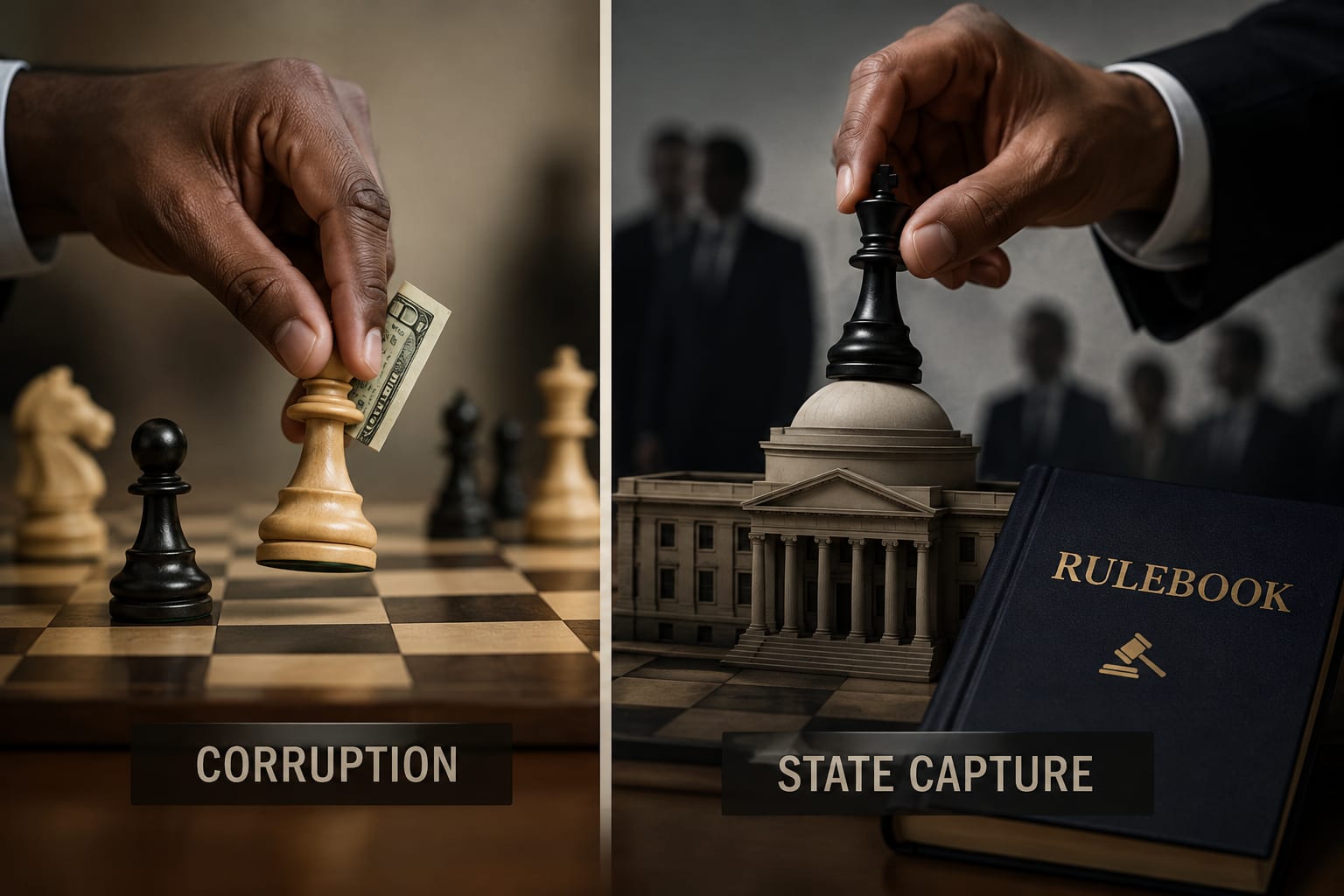
There is a fundamental difference between systemic corruption and state capture.
Corruption ordinarily involves an individual bending or breaking a rule for private advantage. State capture is far more consequential: it occurs when powerful private interests, commercial cartels, or political networks become sufficiently influential that they can shape the rules, institutions, appointments, and public narrative by which everyone else must live. Corruption distorts the game; capture rewrites the rulebook.
Jamaica should therefore handle the accusation with rigorous caution. I cannot responsibly declare that the Jamaican State has been captured. I know of no judicial finding, commission of enquiry, or body of independently verified evidence establishing that conclusion.
Yet after decades of observing our political economy, I believe citizens are entitled—and indeed obligated—to ask a far more disturbing question:
How many warning signs must converge before sensible citizens begin investigating whether capture is already underway?
1. When scrutiny is treated as the enemy
Healthy governments do not have to enjoy scrutiny. They must, however, respect it.
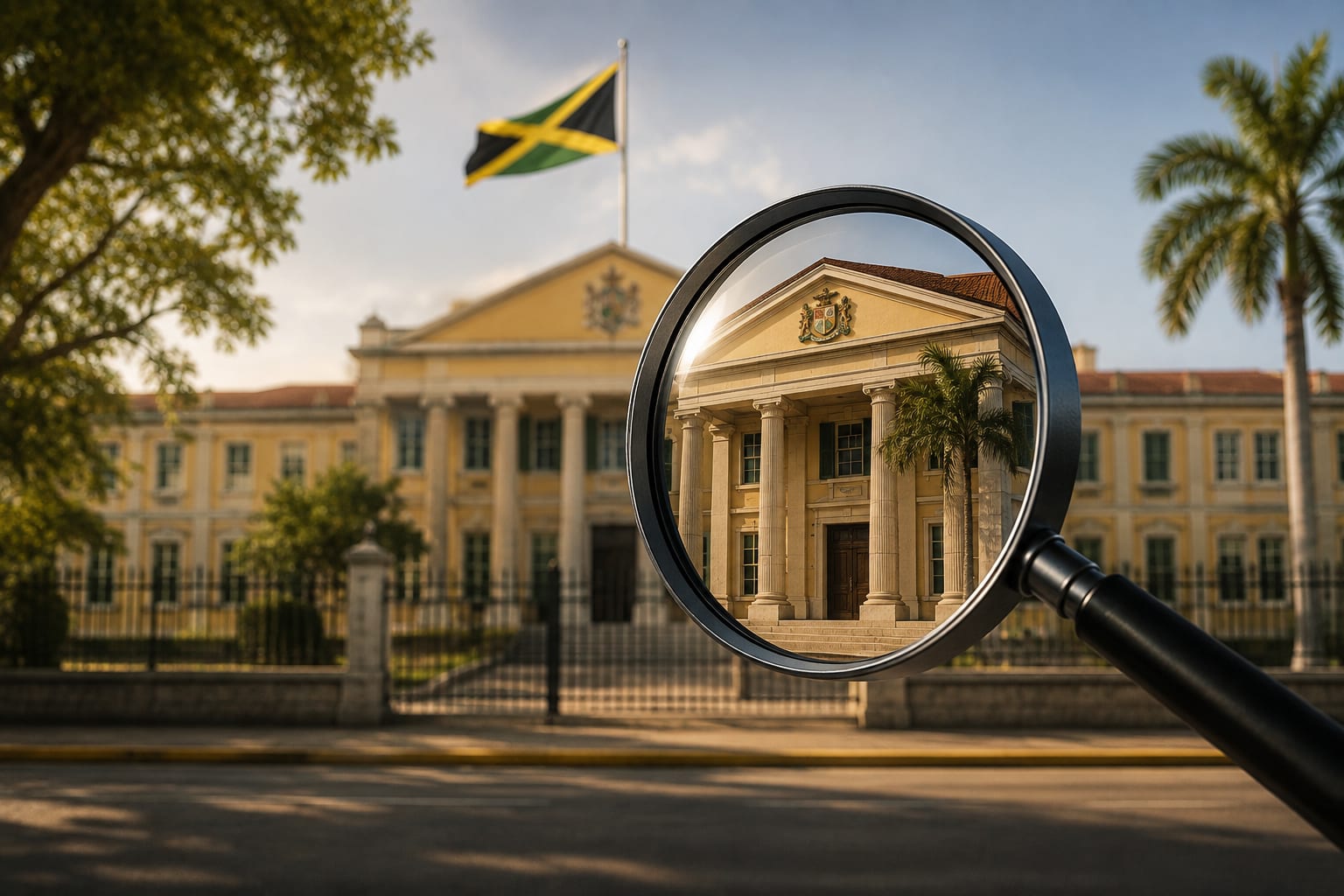
The Integrity Commission exists precisely because Jamaica determined that public declarations, conflicts of interest, procurement oversight, and anti-corruption measures could not safely rely upon politicians policing themselves. The Commission’s statutory mandate is to combat corruption through enforcement, policy, and independent oversight.
When public figures exercise their constitutional right to challenge investigative findings in court, they exercise a vital legal entitlement. The presumption of innocence is non-negotiable, and no responsible commentator should convert an institutional inquiry into a declaration of personal guilt.
But a reciprocal democratic principle matters equally: a statutory watchdog must be able to bark without being treated as an intruder. Whenever a nation begins debating the alleged inconvenience of the watchdog more passionately than the structural defects that caused it to bark, citizens should pay close attention.
2. When extraordinary power becomes ordinary governance
Consider the statutory architecture of proposed emergency frameworks, such as the National Reconstruction and Resilience Authority (NaRRA).
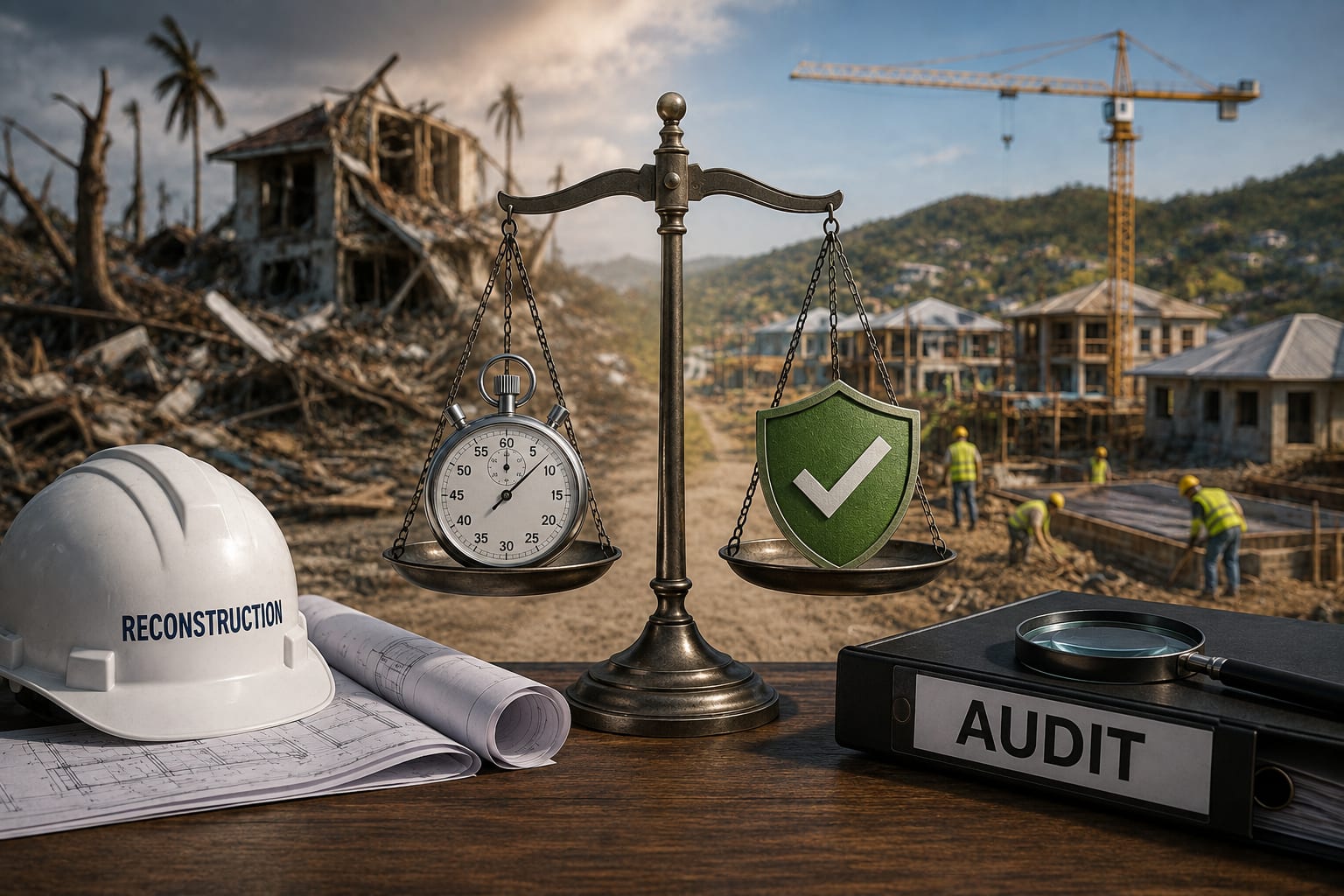
Reconstruction following major natural catastrophes undeniably demands administrative speed. But speed and accountability are not mutually exclusive. Indeed, the greater the concentration of public capital, land allocations, accelerated contracts, and statutory discretion within a single administrative structure, the more robust its independent auditing mechanisms must become.
The primary concern here is architectural.
Whenever massive discretionary authority, expedited approvals, and high-value expenditure converge within a heavily centralised body, Jamaica constructs what systems engineers recognise immediately: a single point of failure. The danger of emergency governance is that carve-outs, bypassed environmental checks, and expedited procurement, once justified by crisis, risk becoming the permanent operating model of the State. Sound constitutional design assumes that saints will not always occupy public office.
3. When an MOU begins behaving like national policy
My objections to Jamaica’s sudden nuclear ambitions flow directly from this principle of institutional gatekeeping.

In October 2024, the Government signed a Memorandum of Understanding with Atomic Energy of Canada Limited and Canadian Nuclear Laboratories regarding small modular reactors (SMRs). Subsequent private commercial moves in the sector—such as Portland Holdings pursuing nuclear-sector agreements abroad—demonstrate growing commercial momentum.
None of this inherently establishes impropriety. Private enterprise is free to pursue lawful commerce.
It does, however, raise a profound democratic question: when executive enthusiasm, private commercial advocacy, and vendor promotion begin moving in lockstep, where is the fiercely independent, publicly accessible Jamaican feasibility process standing between salesman and State?
Where are the independent, publicly interrogable assessments regarding grid capacity, seismic vulnerability, cooling logistics, toxic waste management, long-term liability, decommissioning costs, and cheaper renewable alternatives? An MOU is not evidence. It is not a feasibility study. It is not public consent. And it must never be permitted to become national policy by osmosis.
4. When procurement is public in theory, but opaque in practice
Capture flourishes not only behind closed doors, but in plain sight behind walls of administrative complexity.
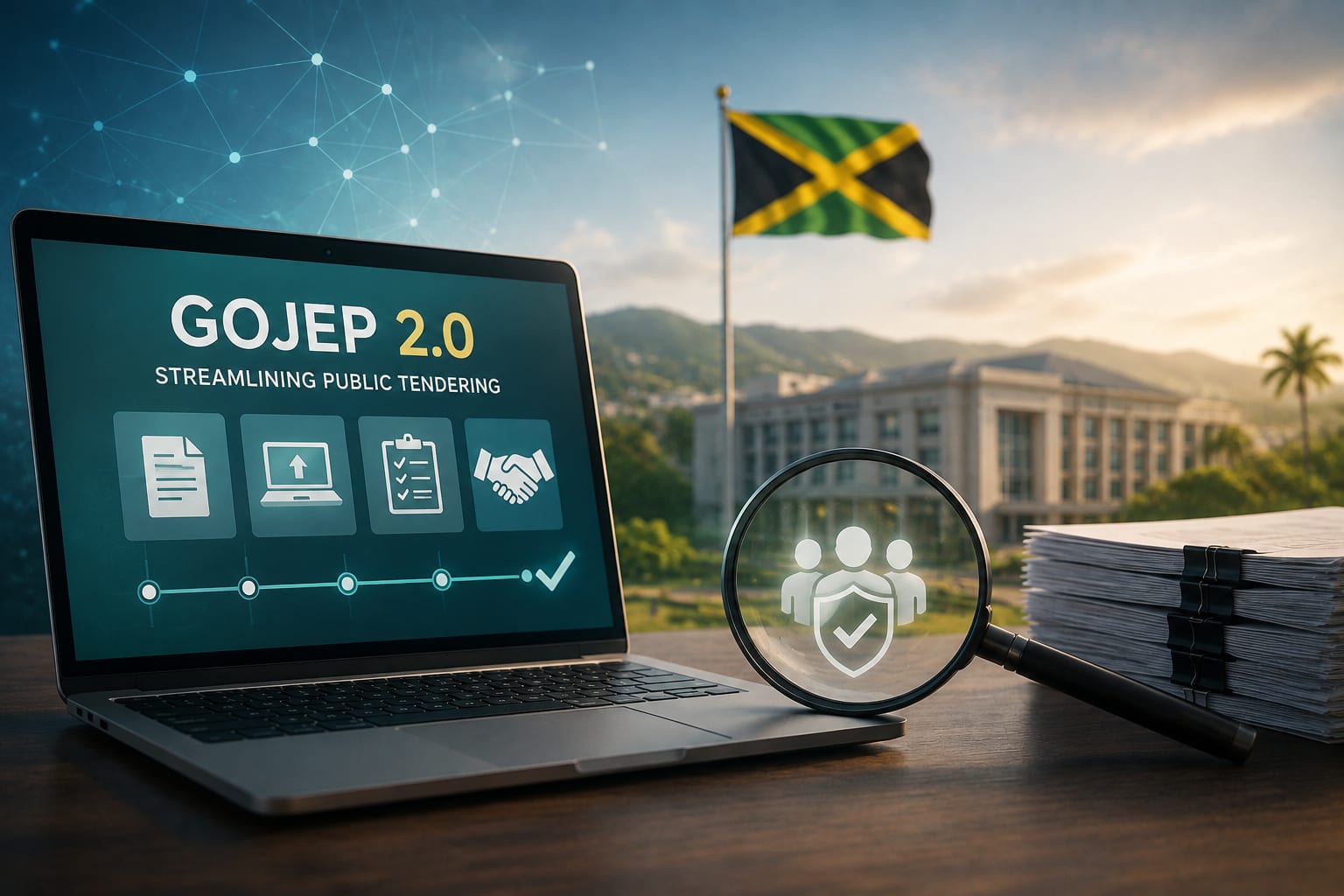
Jamaica deserves recognition for modernising its digital infrastructure, including the deployment of enhanced platforms like GOJEP 2.0 aimed at streamlining public tendering. Yet technological upgrades are only as meaningful as the public accountability they produce.
True procurement transparency must allow an ordinary citizen to quickly answer elementary questions: Who secured the contract? Who lost the bid? Who are the ultimate beneficial owners of the competing firms? What cost variations were approved post-award? What was the final bill to the taxpayer?
If tracing public funds requires citizen journalists and researchers to excavate obscure portals and unreadable filings, democracy is merely transparent on paper. Sunlight must reach the terms, variations, and ownership structures directly.
5. When synthetic opinion masquerades as civic consensus
There is a modern frontier of capture that remains dangerously unexamined: digital astroturfing.
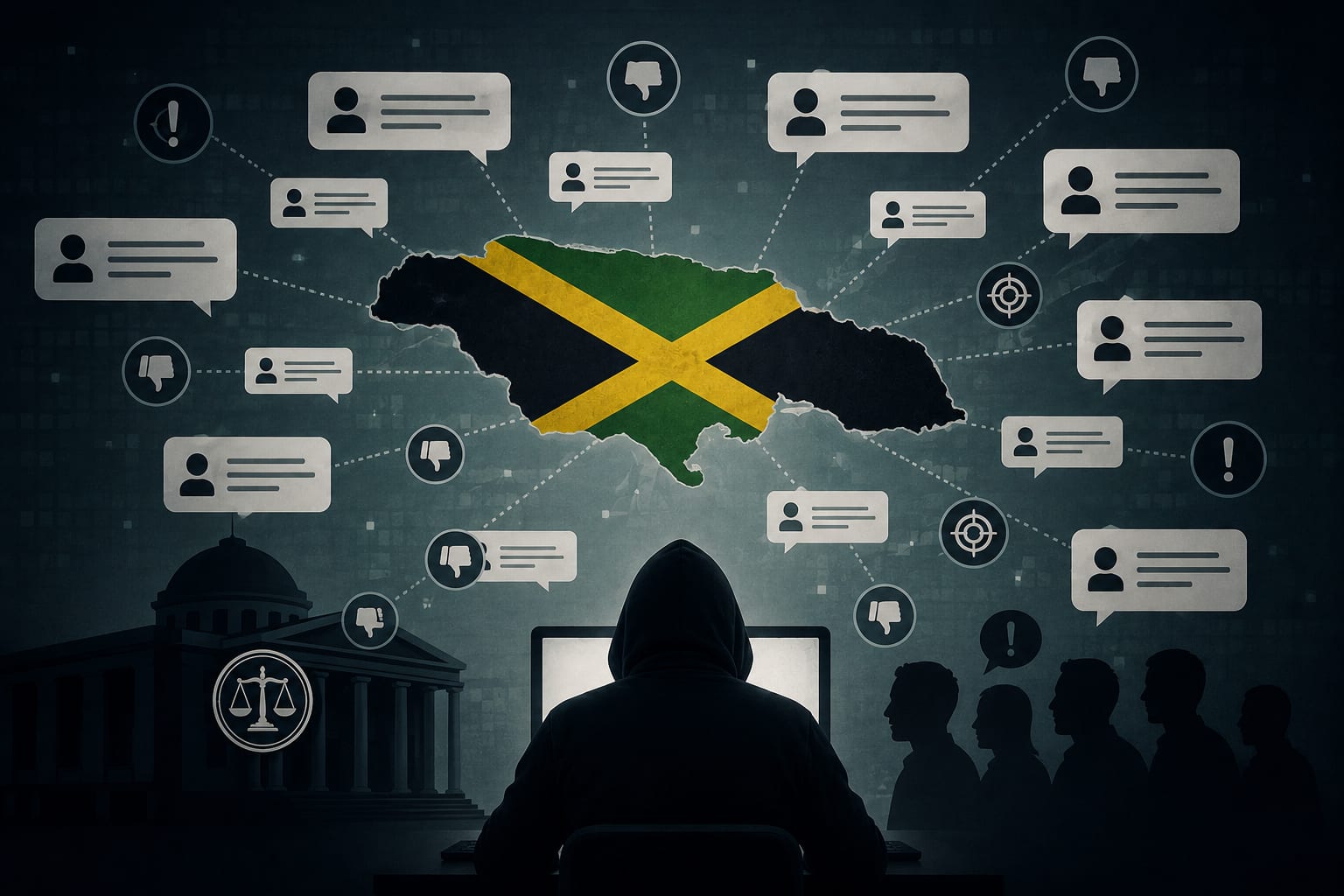
Across social media platforms and online commentary sections, recurring patterns of digital behaviour emerge beneath Jamaican policy debates—synchronised arguments, identical phrasing, and coordinated attacks on critics or oversight bodies.
This does not justify accusing named individuals of operating coordinated sockpuppet networks without forensic proof. Precision is paramount.
Yet the democratic danger is acute. If coordinated digital campaigns can cheaply manufacture artificial public agreement, intimidate independent commentators, amplify private commercial interests, or disguise minority agendas as popular consensus, the public square itself is captured. One need not capture Parliament if one can successfully counterfeit the public.
Our universities, data scientists, and computational linguists ought to investigate these digital networks rigorously, analysing operational patterns while preserving individual anonymity until hard evidence dictates otherwise.
6. When citizens stop being surprised
This is perhaps the most dangerous sign of all. State capture succeeds culturally long before it succeeds constitutionally.
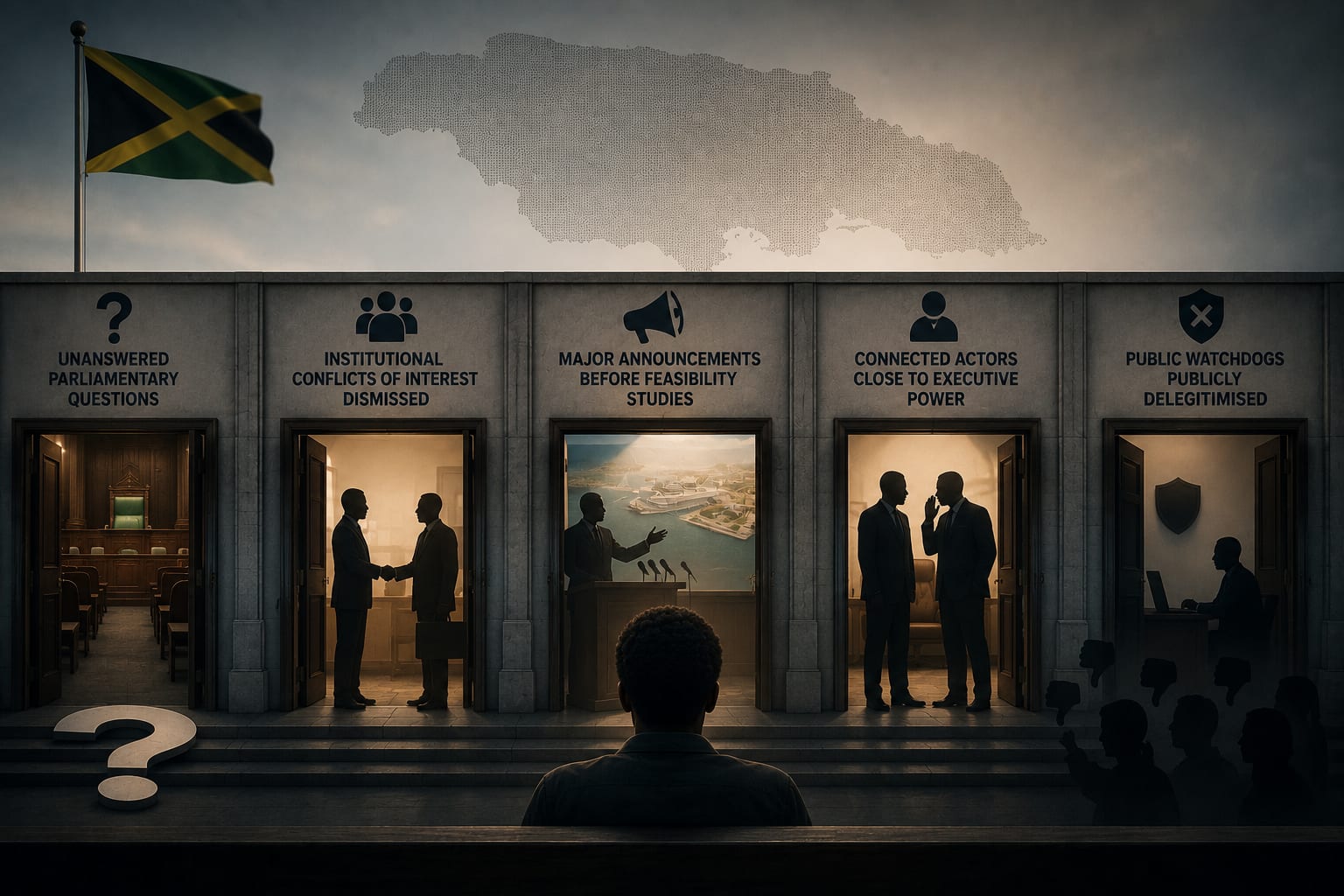
Nations become gradually accustomed to unanswered parliamentary questions; accustomed to institutional conflicts of interest being dismissed as mere politics; accustomed to major commercial announcements preceding technical feasibility studies; accustomed to connected actors operating with extraordinary proximity to executive power; and accustomed to public watchdogs being publicly delegitimised.
Eventually, what once provoked national outrage produces only a resigned shrug. That shrug is the exact moment institutional defence collapses.
Jamaica still possesses robust democratic institutions worth defending. Competitive elections continue to decide governments. Courts continue to rule against executive overreach. The Integrity Commission and Auditor-General continue to audit and report. Independent journalists continue to investigate.
These facts argue decisively against prematurely declaring Jamaica a captured state. But they are also the very reasons to fortify our institutional firewalls before the question becomes academic.
State capture rarely arrives with a grand proclamation. It advances through normalisation: one exceptional arrangement, one opaque contract, one bypassed safeguard, one exhausted watchdog, and one collective shrug at a time.
The charge, therefore, is not that Jamaica is proven to be captured. It is something far more urgent: Jamaica is displaying enough classical warning signs that failing to investigate the hypothesis would itself be an act of civic negligence.




Comments