
Digicel founder Denis O’Brien insists Britain should pay slavery reparations

/ Our Today
administrator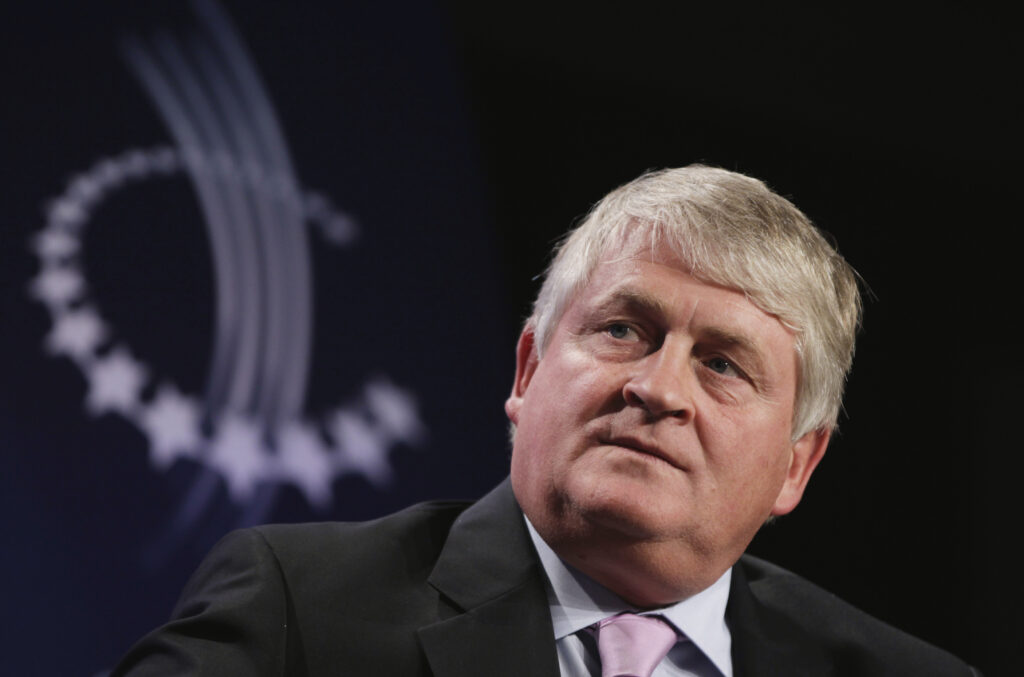
Durrant Pate/Contributor
Digicel founder, Dennis O’Brien, is demanding Britain and other European nations pay reparations to Caribbean countries for the horrors of transatlantic slavery.
The Irish billionaire has listened to those in the region calling for reparations and has become a strong campaigner in the United Kingsom. Having built out Digicel in the Caribbean for the past 21 years, O’Brien recently lost the chairmanship of the company following the finalisation of its refinancing deal with bondholders.
The 65-year-old white, Irish billionaire has found himself as a middleman in the reparation campaign telling Kamali Melbourne on the Sky News daily podcast last week, “it is the single biggest issue in the Caribbean for the entire population.”
In reference to slavery, O’Brien remarked, “this was a Holocaust that went on for 300 years. Millions of people lost their lives. Nobody has ever apologised to these countries….I think the British government and the European Union cannot ignore this now because the Dutch government have already apologised. They’ve set aside €1 million. They’re the first country to apologise.
£50,000 paid reparation lobbyist hired
O’Brien formed a reparations campaign last year that is reportedly funding a lobbyist on a salary of £50,000 to work with a Labour Party member of parliament to get reparations paid.
He is insistent that Britain and other European governments pay reparations for their role in the transatlantic slave trade, which saw some 12.5 million Africans from their home and brought to the Americas and Europe.
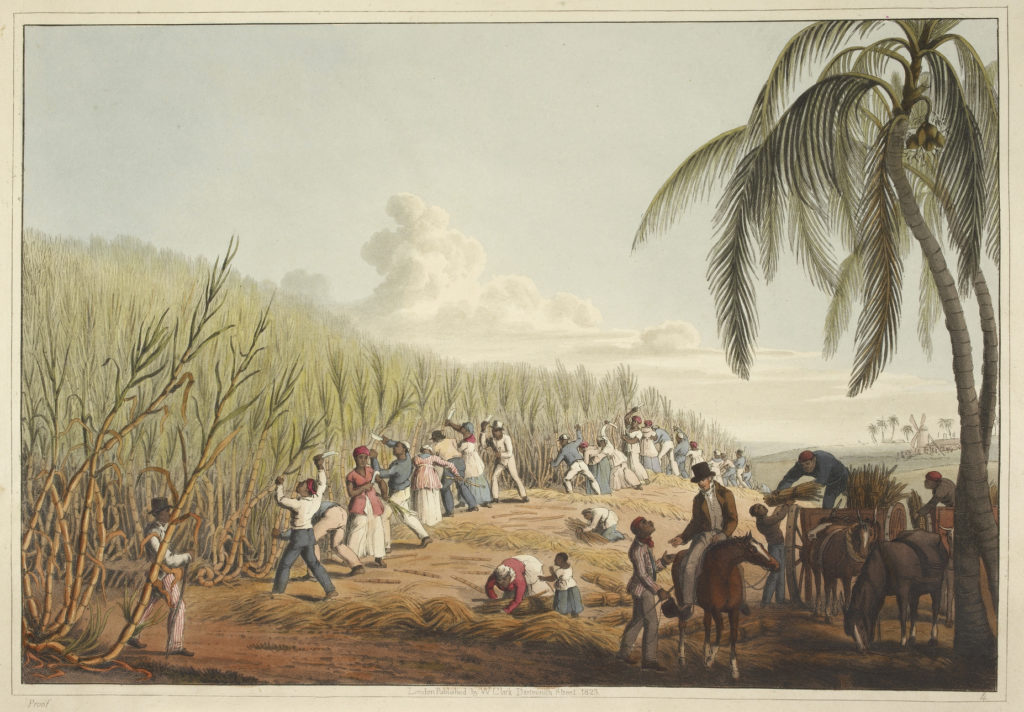
According to the Digicel founder, “the reason why Great Britain and many other countries that were involved in the chattel slave trade didn’t apologise is because they didn’t want to have a liability.” Turning to the lobby for reparation, O’Brien commented, “from our point of view, we have to rally public opinion here in the United Kingdom for us to be successful in achieving reparative justice.”
When asked by Melbourne the reason, he as a white billionaire has taken on this campaign, O’Brien responded, “my ancestors didn’t benefit from slavery or economically in any way. I feel part of the Caribbean. I have so many friendships all over the Caribbean. I don’t see just because I’m white, why I shouldn’t put a campaign together for reparatory justice.”
Reparation campaign
Reparatory justice was given a framework in 2014 CARICOM adopted a 10-point plan laying out what is needed for the victims of transatlantic slavery, and their descendants with a plan calling for among other things a sincere formal apology by the governments of Europe and debt. O’Brien founded the Repair Campaign, which seeks to push former colonial powers to acknowledge their role in the transatlantic trafficking of enslaved Africans.
The organisation is working with researchers at the University of the West Indies and CARICOM to produce socioeconomic reparatory justice plans for 15 Caribbean countries.
O’Brien set up Digicel in 2001 with the company operating in 25 Caribbean and Central American countries, including Haiti, Jamaica and Trinidad and Tobago, having previously owned other media and tech companies in Ireland.



Comments