Dionne Rose | Rebuilding more than roads: Saving Jamaica’s cultural soul after Melissa

/ Our Today
administrator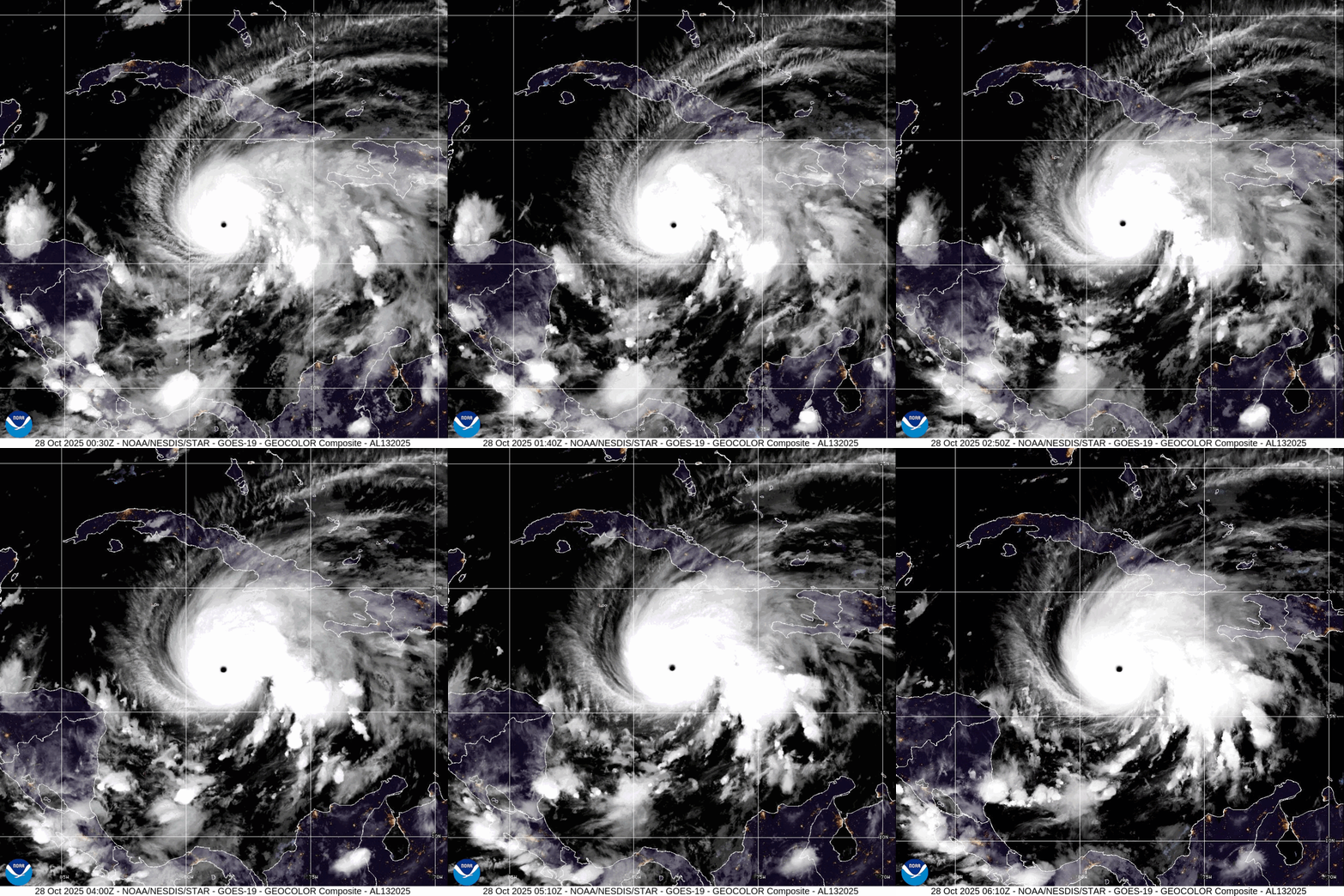
Hurricane Melissa, which made landfall in Jamaica on October 28, will be studied for years to come.
Its path and behaviour were anything but typical, and although it swept across several western parishes, one of its most staggering impacts has been on Jamaica’s tourism product and cultural heritage.
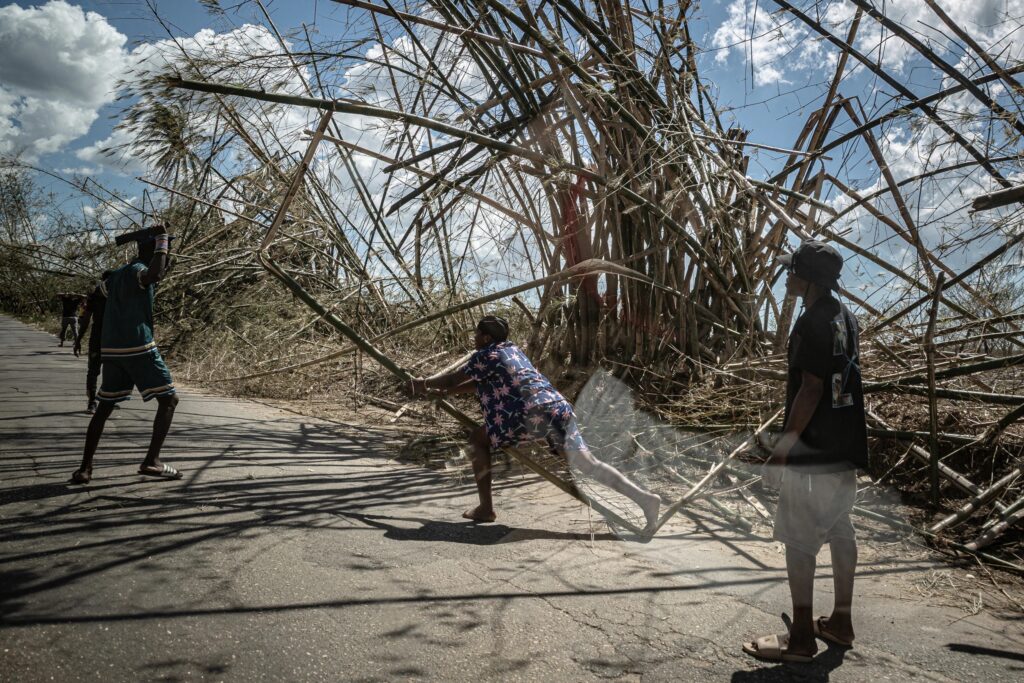
Chief among the damaged sites is the iconic Holland Bamboo, a picturesque corridor and one of Jamaica’s most beloved sightseeing treasures. For generations, it has been a must-see for locals and tourists alike. Dating back to the mid-1700s, Holland Bamboo is believed to have been planted by enslaved Africans seeking shade and respite from the sun.
To witness its devastation is heartbreaking: uprooted bamboo, blocked roads, and the near collapse of its lush canopy. Inevitably, the damage will affect nearby businesses, tour operators, and transportation providers whose livelihoods are tied to this landmark.
The loss is not just aesthetic; it is ecological. The collapse of the bamboo canopy threatens habitats and could have long-term environmental consequences if replanting and restoration are not treated as national priorities.
But Holland Bamboo is only one chapter in Melissa’s broader story of destruction. Historic churches across western Jamaica were left in ruin, including the William Knibb Baptist Church in Falmouth, Trelawny; Calvary Baptist in Montego Bay, St James and Mount Ward Methodist Church in Hanover. Schools, symbols of community pride and educational legacy, were not spared. Cornwall College, Mt Alvernia High School, and Manning’s High School all suffered major infrastructural damage.
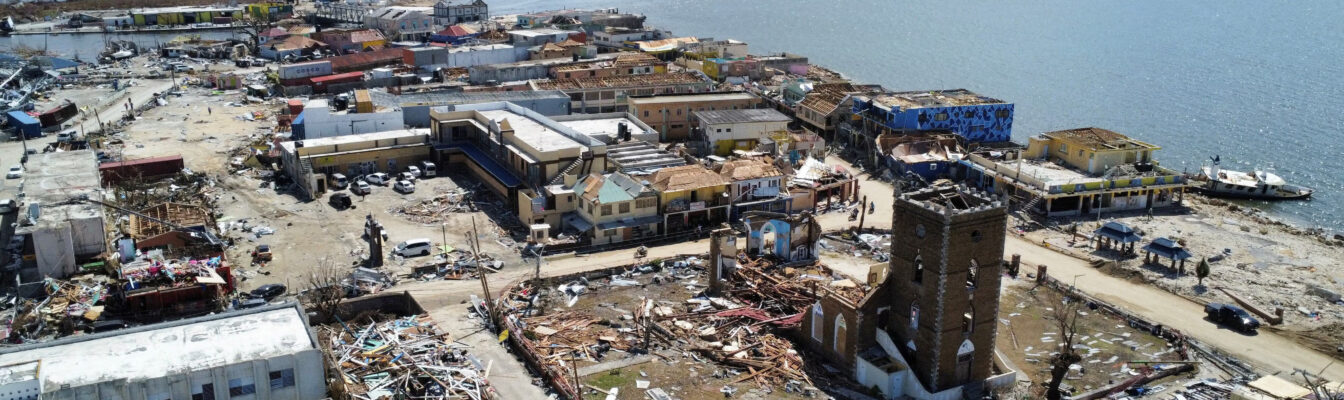
Black River, once a thriving historic port town, endured near-total destruction. Its famed 18th- and 19th-century architecture, including the historic St John’s Anglican Parish Church, rebuilt in 1837, was heavily damaged or lost.
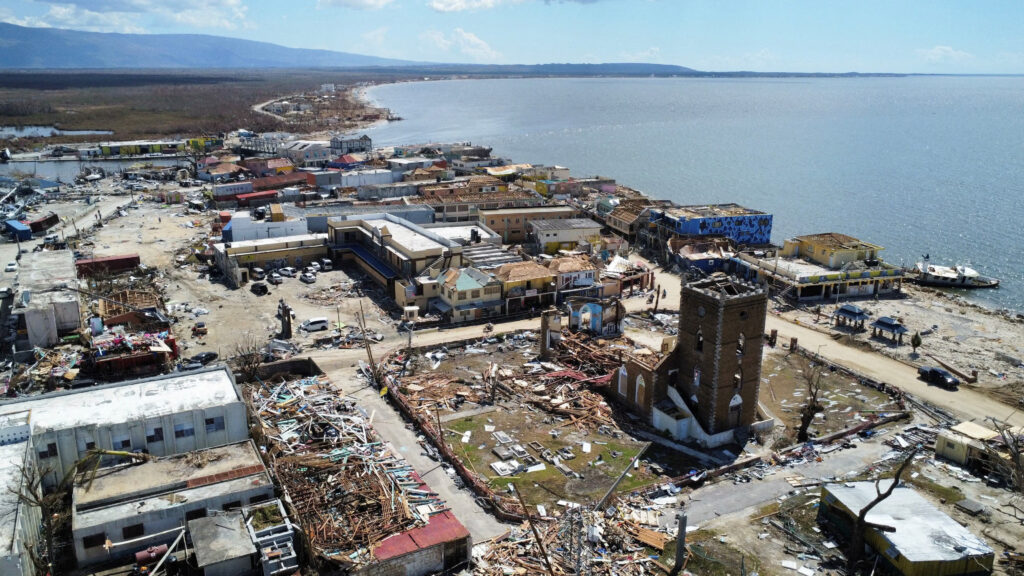
In Falmouth, Jamaica’s best-preserved Georgian town, architectural gems such as the municipal building, St Peter’s Anglican Church, and the 1815 Georgian courthouse suffered severe blows. Even the 225-year-old Greenwood Great House in St James lost its roof and key structural elements.
These places are more than buildings; they are narrative anchors of Jamaica’s cultural identity. Their destruction threatens not only our heritage but also the livelihoods of countless Jamaicans who depend on tourism.
The scale of the disaster is sobering. According to the World Bank and the Inter-American Development Bank (IDB), the physical damage from Hurricane Melissa is estimated at US$8.8 billion, or 41 per cent of Jamaica’s 2024 gross domestic product, making it the costliest hurricane in our nation’s recorded history.
During my recent visit to Black River, residents shared their stories of loss, homes destroyed, businesses shuttered, and livelihoods disrupted. Recovery for them is not abstract; it means restoring what they had so they can return to work and rebuild their lives. Many are also grappling with the psychological impact of sudden displacement and uncertainty.
While immediate relief has been essential, Jamaica must now shift toward sustained recovery, clearing debris, rebuilding communities, and restoring heritage sites such as Holland Bamboo. This cannot be done through government action alone. It requires strong partnerships with the private sector, non-governmental organisations, international donors, and, importantly, our diaspora.
Talk is no longer enough. Clear timelines, dedicated funding, and coordinated restoration plans are urgently needed. Rebuilding is not only necessary but also an opportunity to strengthen climate resilience and ensure that our heritage sites can withstand the storms of the future.
Melissa’s destruction is painful, but it must not break our resolve. As a nation, we must commit to rebuilding what was lost. Our diaspora, the private sector, and every Jamaican at home must rally behind efforts to revive our tourism product, safeguard our heritage, and protect the stories embedded in these historic places.
Hurricane Melissa struck at the heart of Jamaica’s cultural soul. Now, we must rise to restore it.
Dionne Rose is a communications specialist and educator. Send feedback and comments to [email protected] and [email protected].



Comments