
Dr Asburn Pinnock | Learning to think, speak and live together

/ Our Today
administrator
When violence enters a schoolyard, the entire nation must pause. Schools are meant to be places where young people discover possibilities, not confrontation. When that expectation is broken, it forces us to ask deeper questions about the kind of society we are shaping – and the role education must play in shaping it.
Across Jamaica, families and educators are still reflecting on the tragic death of 16-year-old Devonie Shearer, a student of Ocho Rios High School, who was fatally injured during an altercation with another pupil. The circumstances surrounding the incident remain deeply painful for the families and community involved. Yet the tragedy has also reopened an urgent national conversation about youth conflict, school culture, and the systems meant to guide our young people.
Moments like this confront us with a difficult truth: academic learning alone is not enough. Schools must prepare students not only to pass examinations, but also to manage disagreement, express ideas responsibly, and resolve conflict without violence.
For nearly two centuries, the Mico University College has trained teachers who influence far more than academic outcomes. Institutions like ours have a responsibility to train teachers to shape the intellectual and social climate of classrooms. Teachers who can help students learn how to question, how to listen, and how to engage with ideas that differ from their own.
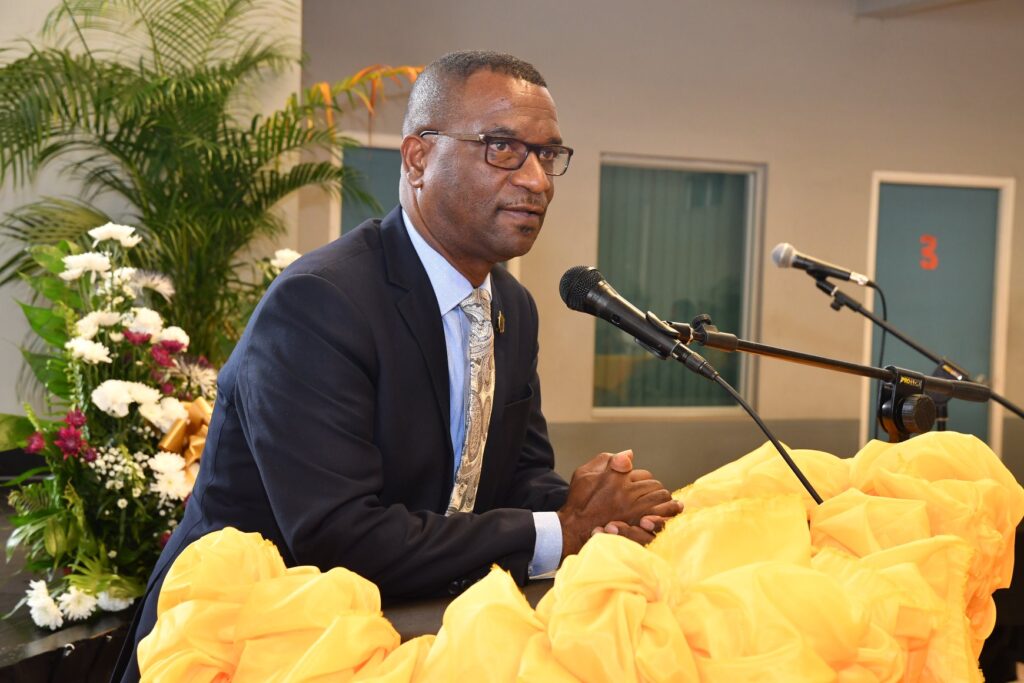
As the institution prepares to observe Mico Week later this month, that responsibility is particularly present in our reflections. The annual observance allows the community to revisit its history while reaffirming its mission to prepare educators for Jamaica and the wider Caribbean. This year, however, those reflections are inevitably shaped by the national reminder that education must also address the social and emotional realities facing our youth.
One essential step is strengthening critical thinking and respectful dialogue within schools. Young people must learn that disagreement is not a threat but a normal part of democratic life. They must also learn how to navigate that disagreement constructively.
It is in that spirit that Mico is preparing to launch its Critical Thinking Debate Society in partnership with C-Think Debates. The initiative is designed to cultivate analytical reasoning and structured debate among students. Through debate, young people learn to evaluate evidence, listen carefully to opposing views, and respond with clarity rather than hostility.
Ideas may clash, but in a healthy society people must learn that conflict is resolved through dialogue, not violence.
For future teachers, this lesson is especially important. Educators do more than deliver lessons; they model how ideas are tested and discussed. When teachers encourage questioning and respectful disagreement, they help create classrooms where students understand that differences can be explored through reason rather than confrontation.

Encouragingly, Jamaica has also seen measurable progress in reducing violent crime. In 2025, the country recorded 673 murders — a decline of more than 40 per cent compared with the previous year. This progress reflects the sustained efforts of the Jamaica Constabulary Force, Jamaica Defence Force, policymakers, and communities across the country.
Their work deserves recognition. Yet effective policing alone cannot secure the long-term stability of any society.
Lasting change must also come from the values and habits of thought cultivated among the next generation. Education plays a central role in shaping how young people interpret disagreement, responsibility, and coexistence within a diverse society.
The tragedy in St Ann should therefore provoke not only grief, but resolve. Jamaica must continue strengthening programmes that build emotional intelligence, conflict-resolution skills, and critical thinking in our schools.
Education must ultimately do more than prepare young people to pass examinations.
It must prepare them to think, to speak, and to live together.
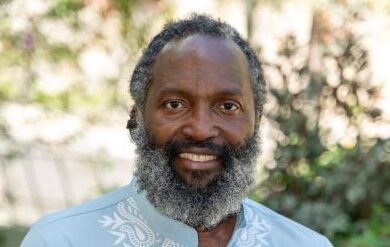
Dr Asburn Pinnock is president of the Mico University College. Send comments and feedback to [email protected].


Comments