
Dr Axel Kravatzky | Port of Spain ‘climate talks’

/ Our Today
administrator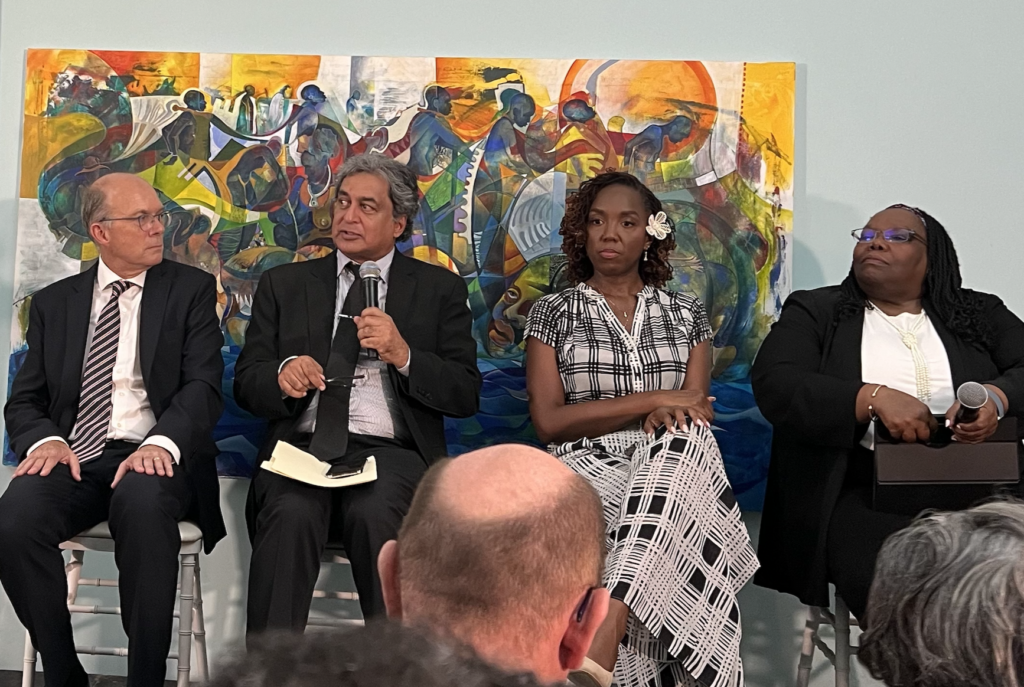
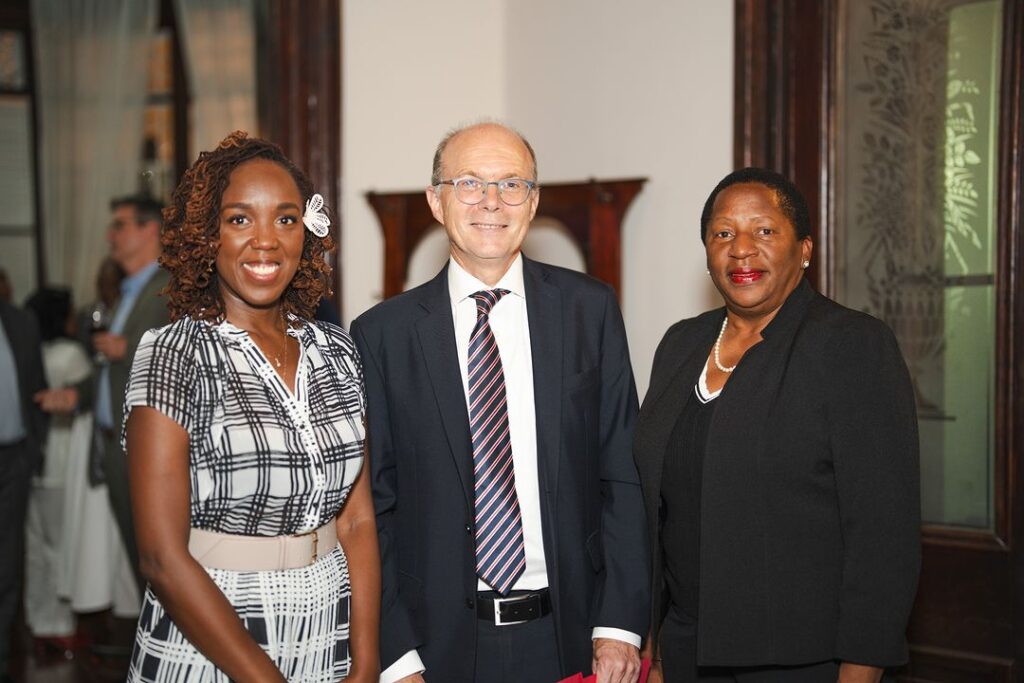
The German Embassy in Port of Spain, in partnership with Climate Analytics, hosted an event focusing on the theme of ‘Just Transition’ in the Caribbean.
The ‘German Caribbean Climate Talks’ brought together dignitaries, experts, and stakeholders to discuss the importance of advancing a fair, inclusive, and green economy throughout the region. The event underscored the importance of cooperation between Germany and the Caribbean to address the pressing challenges posed by climate change.
‘Just Transition’ at COP28
The concept of a just transition was a significant focus at COP28, reflecting its growing importance in global climate policy. The COP28 package of decisions explicitly noted that the shift away from fossil fuel energy should happen “in a just, orderly, and equitable manner.”
The UNFCCC’s new Just Transition Work Programme was approved, outlining pathways to achieve the Paris Agreement climate goals while ensuring fairness and equity. This includes commitments to support workers and communities affected by the transition, with a focus on decent work, quality jobs, and social protection.
History of ‘Just Transition’
The term “just transition” originated in the United States during the 1970s and 1980s, spearheaded by Tony Mazzocchi of the Oil, Chemical, and Atomic Workers Union.
Mazzocchi proposed a “Superfund for Workers” to support and retrain those moving out of environmentally hazardous jobs, paralleling the US Superfund Act of 1980 aimed at cleaning up hazardous waste sites. This idea has since evolved into a broader framework that seeks to ensure that the shift from a high-carbon to a low-carbon economy is fair and inclusive, addressing the needs and rights of workers, communities, and other stakeholders affected by this transition.
Just Transition at COP28 and insights from the Climate Talks
At the climate talks, German Ambassador to Trinidad Dr. Christophe Eick and Rueanna Haynes, director of Climate Analytics Caribbean, provided detailed insights into the concept of just transition as agreed at COP28.
Eick, who also serves as Special Envoy for climate issues in the Caribbean, emphasised that a just transition involves moving from a high greenhouse gas economy to a carbon-neutral one, ensuring that no one is left behind.
He highlighted Germany’s achievements in reducing greenhouse gas emissions and the role of renewable energy in the country’s electricity generation. Haynes discussed the establishment of the just transition work program, emphasising the inclusive and participatory approaches needed for a successful transition.
Components of Just Transition and actions for Caribbean companies
A just transition encompasses several key components, each of which was elaborated upon by the speakers at the Climate Talks. Here are the seven components, associated facts from the event, and what companies in the Caribbean can do to address each:
1. Social dialogue and stakeholder engagement
Dr. Eick highlighted the importance of cooperative efforts between Germany and the Caribbean, emphasising the need for inclusive dialogue. During the dialogue that followed the presentations, Marie Louise Norton-Murray, executive director of the European Business Chamber in Trinidad & Tobago (EUROCHAMTT), spoke to the private sector’s commitment and interest in actively participating in and contributing to the Just Transition.
– Company actions: Establish regular consultation forums with employees, local communities, and other stakeholders. Create mechanisms for ongoing dialogue, such as social forums and consultations.
2. Decent work and economic opportunities
Haynes discussed the need for reskilling and upskilling strategies to ensure that workers can transition into new roles within a green economy.
– Company actions: Invest in training programs to reskill and upskill workers for new green jobs. Develop and implement fair wage policies and ensure job security during the transition.
3. Social protection and support systems
Mr Kishan Kumarsingh, Head of Multilateral Environmental Agreements at the Ministry of Planning and Development, Trinidad & Tobago, mentioned that a just transition policy has been developed in Trinidad and Tobago, which includes social protection measures, and that it is currently before Cabinet.
– Company actions: Offer comprehensive social protection packages, including health insurance and retirement plans. Partner with governments and NGOs to enhance social safety nets for affected communities.
4. Environmental sustainability
Dr. Eick noted that on average Caribbean countries spend 13 per cent of GDP on fuel imports. Barbados has been utilising solar panels for years in St Kitts has a solar park with battery storage that should be completed next year, while Dominica and the Eastern Caribbean Islands are investing in geothermal plants. In Trinidad & Tobago, the government has announced a solar park that would provide electricity to more than 40,000 homes. Dr Eick shared Germany’s progress in renewable energy, with nearly 60 per cent of electricity coming from renewables.

– Company actions: Implement sustainable production and consumption practices. Invest in renewable energy and energy efficiency measures.
5. Equity and inclusion
All speakers emphasized the importance of coherent policy development that promotes social inclusion and addresses inequality.
– Company actions: Develop policies that promote diversity, equity, and inclusion within the company. Ensure that transition plans consider the needs of vulnerable and marginalized groups.
6. Human rights and accountability
All speakers stressed the need to ensure that no one is left behind in the transition to a carbon-neutral economy.
– Company actions: Conduct regular human rights due diligence to identify and mitigate potential impacts. Establish transparent reporting mechanisms to track progress and hold the company accountable.
7. Transformational systems change
Haynes as well as Diane Quarless, director of the subregional headquarters for the Caribbean at ECLAC, discussed the need for regional coordination and cooperation to achieve a just transition.
– Company actions: Advocate for systemic changes that promote sustainability and social justice. Collaborate with other businesses, governments, and civil society to drive broader systemic change.
Insights from ECLAC and Dr Fletcher
Quarless highlighted the economic challenges and financing needs for a just transition. She emphasised the high debt servicing burden, on average 40 per cent of government revenue, faced by Caribbean countries and the necessity of accessible financing for just transition investments.

Quarless also discussed the need for structural changes and economic diversification, calling for fair and accessible mechanisms for technology transfer and capacity building.
Dr James Fletcher, former Minister of Sustainable Development and Energy in Saint Lucia, emphasised the disproportionate impact of climate-related disasters on low-income populations.
He highlighted the costs of adapting to climate change and the need for climate finance. Fletcher called for increased political support for climate negotiators and the involvement of civil society, urging the establishment of a ‘World Environment Court’ for climate justice.
Conclusion
The German Caribbean Climate Talks highlighted the critical importance of a just transition in addressing climate change. By focusing on fairness, inclusivity, and sustainability, the concept of a just transition ensures that the shift to a low-carbon economy benefits all stakeholders.
Companies in the Caribbean have a vital role to play in this process by adopting practices that support social dialogue, decent work, social protection, environmental sustainability, equity, human rights, and transformational systems change. Through these efforts, the Caribbean can move towards a greener, more equitable future.
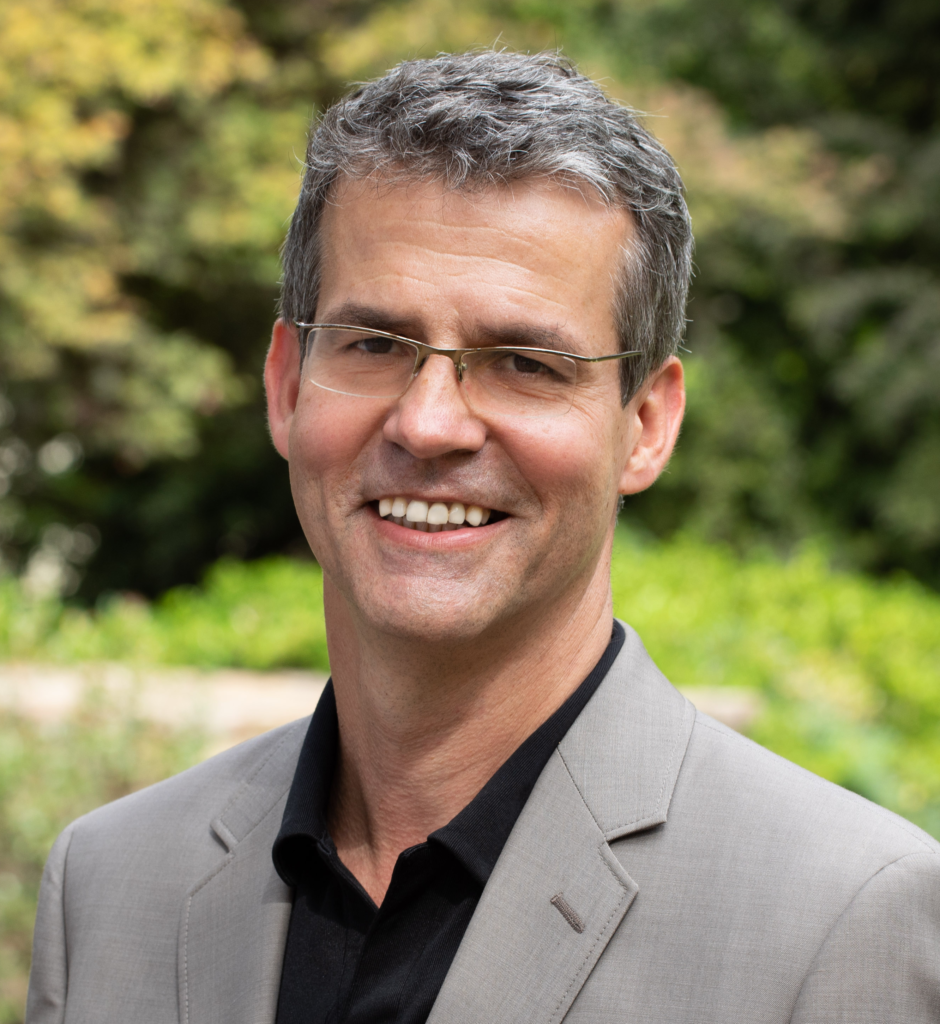
Dr Axel Kravatzky is the managing partner of TT-based Syntegra-360 Ltd, vice-chair of ISO/TC309 Governance of Organizations, and president of EUROCHAMTT. He enables companies to flourish, helping them increase the sustainable value they generate through integrated governance, certified management systems, and transformational leadership.



Comments