Dr Espinosa Campbell | When the healer is also Wounded: Caring for the caregivers in Jamaica’s disasters

/ Our Today
administrator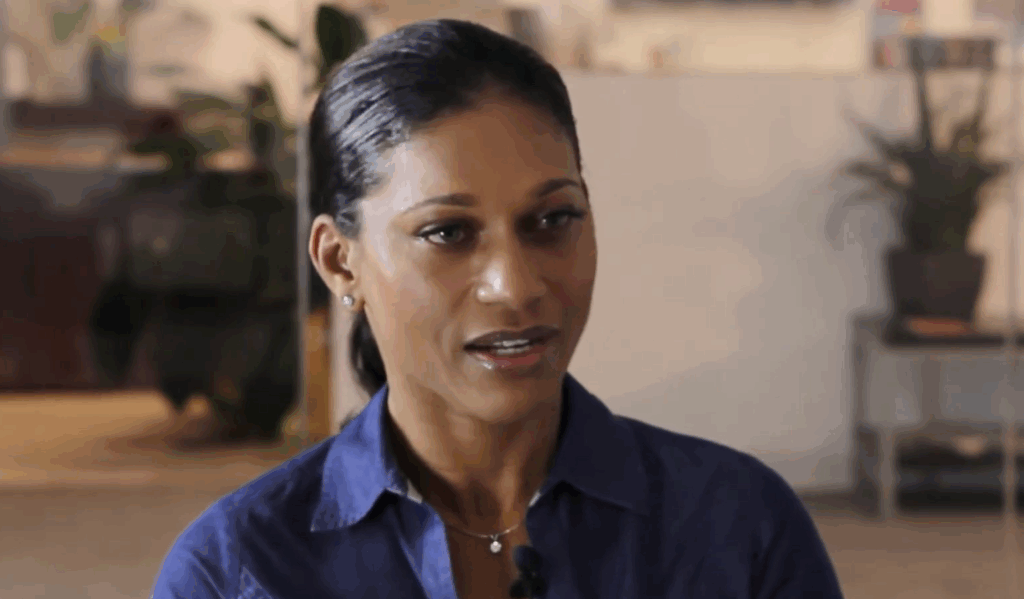
Once you go on the ground and engage with the people who are affected, something inside you changes. The stories of loss, the faces of despair, the quiet resilience—all of it stays with you long after you leave. When the mission is over, you realise that you, too, may need a session with your mental health counsellor. It affects you at a different level—one that medical training and professional detachment can never fully shield you from.
For many of us in Jamaica’s emergency and health response network—doctors, nurses, paramedics, and volunteers—the emotional toll of disaster work is real but seldom discussed. We move from one crisis to the next, often without time to process what we have seen or felt. Medically, we recognise this as secondary traumatic stress or compassion fatigue, conditions that mirror post-traumatic stress disorder (PTSD). The symptoms—emotional exhaustion, irritability, loss of motivation—often creep in quietly, hidden behind the mask of professionalism.
We are trained to comfort and to lead in moments of chaos, but the truth is, the healer can also be wounded.
In hospitals, shelters, and field operations, our teams work under immense pressure—limited resources, emotional strain, and physical fatigue. While we monitor the vital signs of others—pulse, blood pressure, oxygen saturation—we rarely check our own. Yet, our emotional well-being is just as critical to the success of any humanitarian or medical mission.
It is time for Jamaica to make mental health care for frontline workers a national priority. Post-response debriefings, counselling support, and institutional acknowledgement must become standard practice. Emotional resilience is not a luxury—it is a key component of effective disaster preparedness and response.
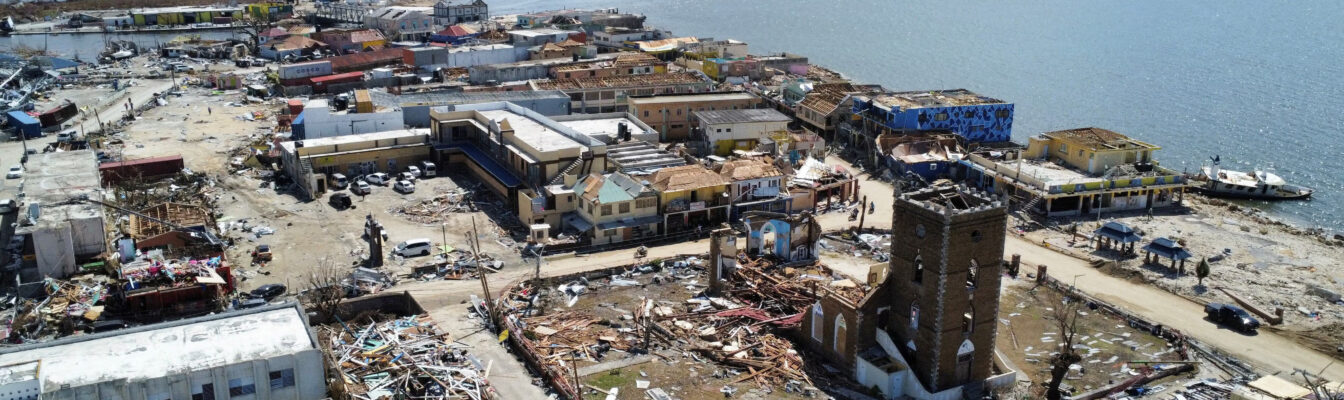
As climate change intensifies and natural disasters become more frequent, the emotional demands on health and emergency personnel will only grow. The Office of Disaster Preparedness and Emergency Management (ODPEM), the Ministry of Health and Wellness, and the Jamaica Emergency Medicine Association (JEMA) must collaborate to build structured mental health support systems for responders.
We often say in medicine, “You cannot pour from an empty cup.” Caring for caregivers is not weakness—it is wisdom.
The true strength of a nation lies not only in its capacity to respond to crisis but also in its commitment to restore the hearts of those who respond.
Dr Kurdell Espinosa Campbell is the President of JEMA




Comments