
Dr Olivia Rose | Jamaica must rely more on local expertise to create a better sports industry

/ Our Today
administrator
After attending the recent Gibson McCook Lecture Series, I was struck by the crucial issue of capacity building within Jamaica’s sports industry, particularly in regard to the development of local talent and expertise.
One panellist highlighted the importance of this service but mentioned a significant disparity in the utilization of sports psychology services and other medical treatment, with referrals made for elite athletes to turn to overseas professionals rather than seeking support from homebred specialists.
One example that stood out was the preference of recommendation Jamaican elite athletes to use the services of Performance Psychologists in New York, implying a shortage and a lack of confidence in local practitioners’ ability to address the unique challenges faced by our elite athletes. A similar explanation was given as to why a decision would be made to opt for overseas surgeons with extensive experience in treating specific sports-related injuries, indicating a perceived deficit in the availability and access of our local medical professionals with unique specialization in sports. While this lack of sports professional experience may or may not be true, this response from a homebred practitioner, raises a fundamental question: What efforts are being made to foster the growth and expertise of our own sports professionals?
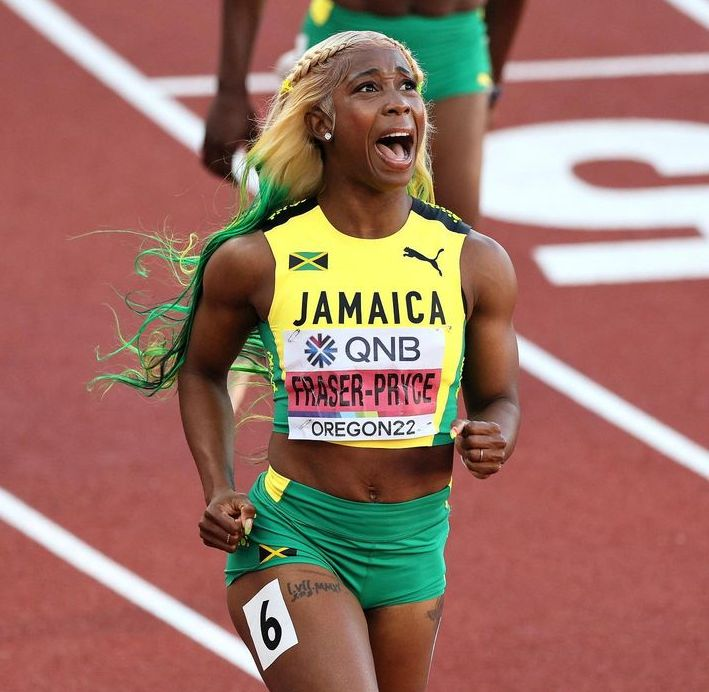
While the expertise and experience of overseas professionals are undoubtedly valuable, it is essential for Jamaica to cultivate its own pool of talent and expertise in the sports industry. The failure to invest in capacity building for local sports professionals not only perpetuates a reliance on foreign expertise but also limits the opportunities for local practitioners to hone their skills and contribute to the growth of Jamaican sports.
One potential solution could be to encourage collaboration between local and overseas experts, allowing our homebred professionals to gain invaluable experience by understudying their overseas counterparts and contracts could have clauses that specifically include use of local experts. By exposing local practitioners to best practices and advanced techniques, we can bridge the gap in expertise and cultivate a cohort of sports professionals capable of servicing the unique needs of Jamaican athletes.
We must also acknowledge the cultural advantage that local practitioners possess when working with Jamaican athletes. The ability to connect on a deeper level and understand the nuances of our athletes’ experiences can be a significant asset in providing effective support. Besides, nobody understands the Jamaican sporting landscape better than those who live and work within it, making the development of local expertise imperative for the holistic growth of our sports industry.
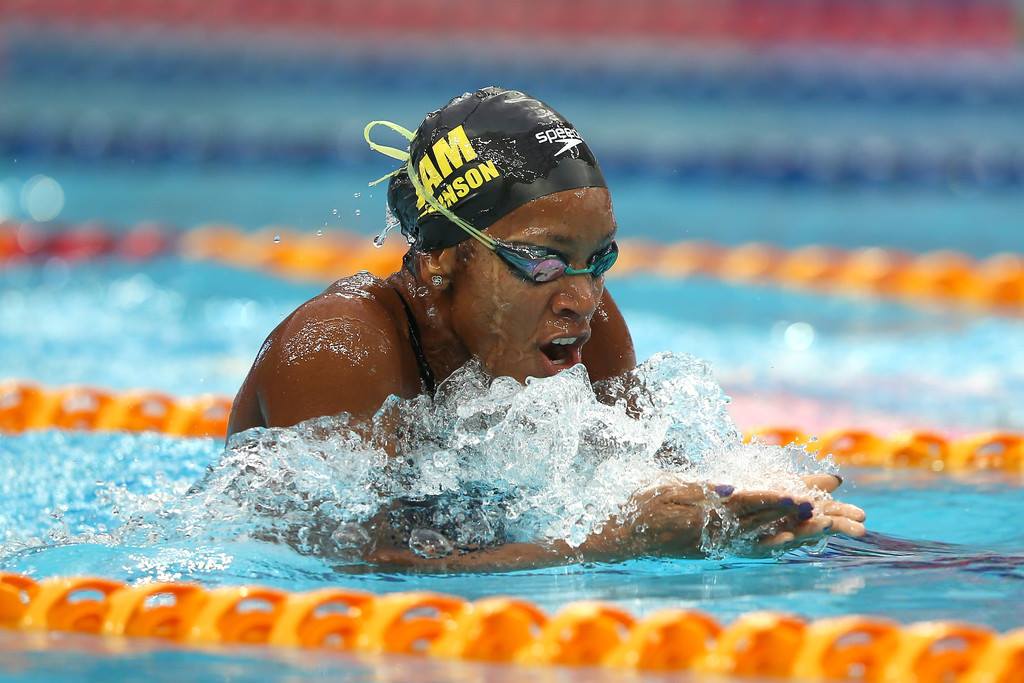
Moreover, just as it is important to believe in the potential of overseas experts, it is equally essential to have faith in the capabilities of our homebred professionals. Every expert was once a novice, and overlooking the potential for growth and development within our local talent pool is a disservice to the advancement of Jamaican sports.
There is no denying that there are barriers that hinder the professional development and usage of local sports practitioners. Whether it be access to advanced training or opportunities for international exposure, the promotion of capacity-building initiatives is vital to nurturing a sustainable sports ecosystem within Jamaica. Also, being homebred does not necessarily mean that these practitioners have not met international standards to practise or are lacking global experience.
The current trend of relying heavily on overseas expertise in sports psychology and medical support for elite athletes underscores the critical need for capacity-building initiatives to develop local talent and expertise within Jamaica’s sports industry. It is imperative that stakeholders across the industry coordinate efforts to invest in the growth and development of homebred professionals to ensure that Jamaican athletes have access to the highest quality support and expertise right here at home. Without a concerted focus on capacity building, we risk perpetuating a cycle of reliance on foreign specialists and limiting the potential for the holistic growth of our sports industry.
Olivia Rose, Ph.D. is the junior shadow spokesperson on sport, culture and entertainment for the People’s National Party. She is an applied sports psychologist with experience gained from Jamaica, United Kingdom and the Middle East.






Comments