Dr Rebecca Tortello | Jamaican teachers teimagine classrooms with AI and the Learning Passport

/ Our Today
administrator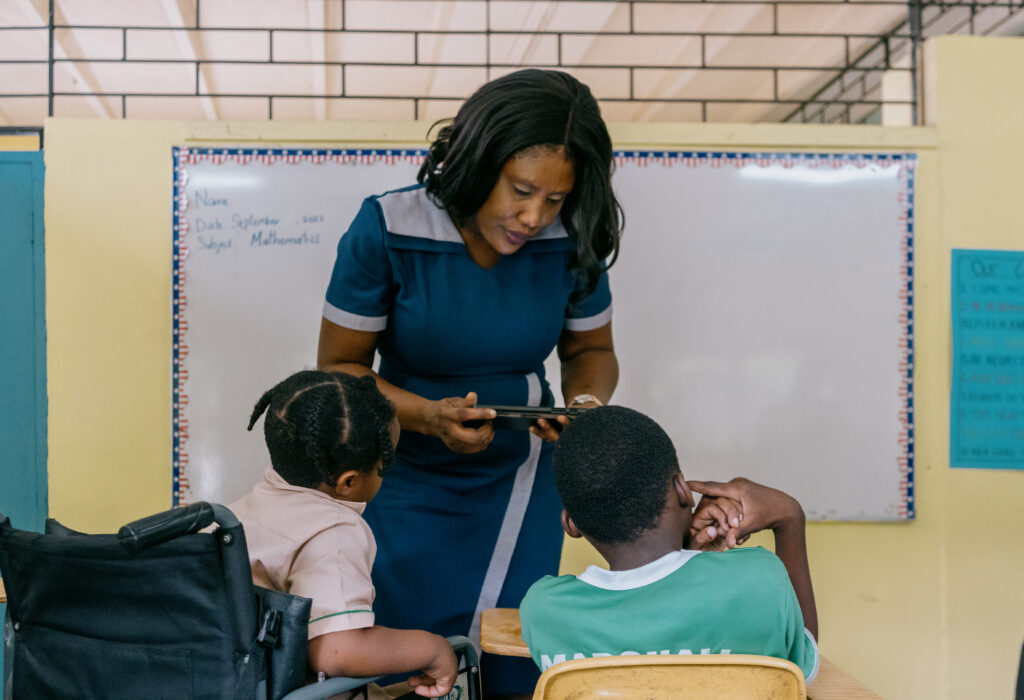
What happens when 760 teachers trade chalkboards for chatbots?
This summer, Jamaican educators discovered how artificial intelligence (AI) and digital tools could transform their classrooms. They logged on not just to learn, but to experiment, create and reimagine the classroom of the future.
Through three interactive online workshops, UNICEF Jamaica and the Jamaica Teaching Council (JTC) introduced teachers to the Learning Passport Jamaica, a digital platform offering interactive courses for students and curriculum resources for educators. The sessions also highlighted new developments in open educational resources, showing how these tools can help bridge the gap between AI and traditional teaching methods.
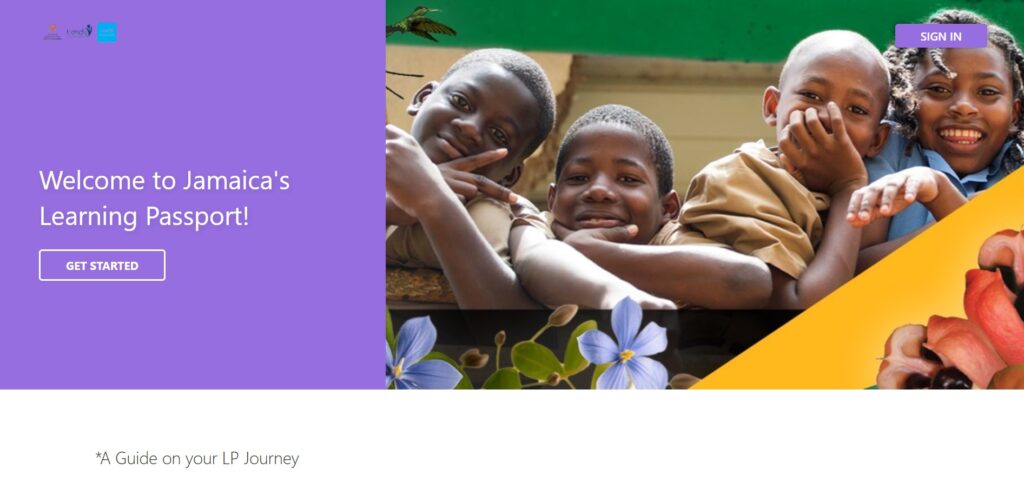
Available at jamaica.learningpassport.org, the Learning Passport platform offers cutting-edge digital tools designed to enrich education in the classroom and beyond. As part of the broader rollout under the SDG Joint Programme on digital transformation for education, these sessions support the national effort to modernise Jamaica’s education system.
Educators actively participated in hands-on workshops exploring how to integrate AI into their teaching practices, emphasising safety, ethical use, and alignment with local classroom needs.
Lesson planning and storytelling
When master teacher Chinnese Morrison sat down at her laptop, she wasn’t expecting to leave with a toolkit that would “elevate her lessons to a high dimension” and save her and others planning time in the new school year. But that’s exactly what the UNICEF summer training offered.
In the first workshop, Khanmigo for Teachers: From Planning to Feedback, educators explored how AI can generate lesson plans aligned to Jamaican standards, create engaging “lesson hooks,” and design quick assessments such as exit tickets and quizzes.
They also tried out tools for building storybooks, class newsletters, and individualised support for students with special needs.

Smarter, safer use of AI
The second course, AI Literacy & BoodleBox, introduced teachers to the promises and limits of AI. Teachers walked away with new AI skills, including how to:
- Double-check answers across different AI models
- Cite sources correctly
- Write prompts that get useful, classroom-ready results
Interactive demonstrations revealed how educators can create subject-specific “tutor bots” that guide students through learning with thoughtful hints and personalised feedback, rather than simply providing answers. Teachers across all levels, from early childhood to secondary, along with education officers, agreed that the session significantly boosted their confidence and skills in using AI tools effectively.
Building classroom bots
The final session, bot-building lab, saw participants using small breakout groups to design and test their own classroom bots. They created prototypes tailored to their grade levels and subject areas, from literacy helpers to math feedback coaches. As a primary school teacher, Faithlyn Wilson shared, she “was really motivated to learn more!”
Looking ahead
Teachers are now asking for more sessions, clinics, and micro-courses. In response, the UNESCO Office for the Caribbean will be hosting the AI in Education Workshop for Teachers on October 10 and 17 in Montego Bay and Kingston, respectively, as part of the SDG Joint Programme to strengthen their digital skills.
Guided by the UNESCO AI Competency Framework for Teachers, a globally recognised standard for integrating AI in education, the training will help teachers apply AI to improve their teaching practices, enhance learning outcomes, and ensure its responsible and ethical use.
These in-person workshops will engage and empower 400 Jamaican teachers to confidently and effectively integrate AI in their classrooms, reducing administrative burdens, enhancing student engagement, and supporting their well-being.
Teachers will have the opportunity to:
- Explore the fundamentals of AI and its relevance to the Jamaican education system.
- Examine key ethical considerations, including data privacy, equity, and academic integrity.
- Experiment with AI tools that can improve lesson delivery, student assessment, and classroom engagement.
- Develop personalised action plans for integrating AI in their schools over the next three months.
- Connect with peers to share ideas, strategies, and best practices.
With the Learning Passport Jamaica expanding, the future of education is not just digital; it is teacher-powered. UNICEF is helping to ensure that educators are not only users of technology, but also creators of solutions that fit their classrooms and their students’ needs.
If 760 teachers could reshape classrooms in one summer, imagine what thousands more could do.






Comments