
End new oil, gas and coal funding to reach net zero, says IEA

/ Our Today
administrator
LONDON (Reuters)
Investors should not fund new oil, gas and coal supply projects if the world wants to reach net zero emissions by mid-century, the International Energy Agency (IEA) said today (May 18), in the top global watchdog’s starkest warning yet to curb fossil fuels.
Any abrupt halt to new oil and gas projects by next year still appears unlikely, however, as energy majors’ spending plans still tilt heavily towards hydrocarbons, and oil-producing nations such as Norway plan new licensing rounds.
“It is up to investors to chose whatever portfolio they prefer but there are risks and rewards.”
Fatih Birol, the IEA’s executive director
“The pathway to net zero is narrow but still achievable. If we want to reach net zero by 2050 we do not need any more investments in new oil, gas and coal projects,” Fatih Birol, the IEA’s executive director, told Reuters.
“It is up to investors to chose whatever portfolio they prefer but there are risks and rewards,” he added.
The 2015 Paris Agreement on climate change aims to cap the rise in temperatures to as close as possible to 1.5 degrees Celsius above pre-industrial times to avoid the most devastating impacts of climate change, which requires net zero greenhouse gas emissions by 2050.
“This is an incredibly exciting study that indicates a direction of hope,” said Francesco Starace, chief executive at Rome-based Enel, the world’s biggest privately owned renewable energy group.
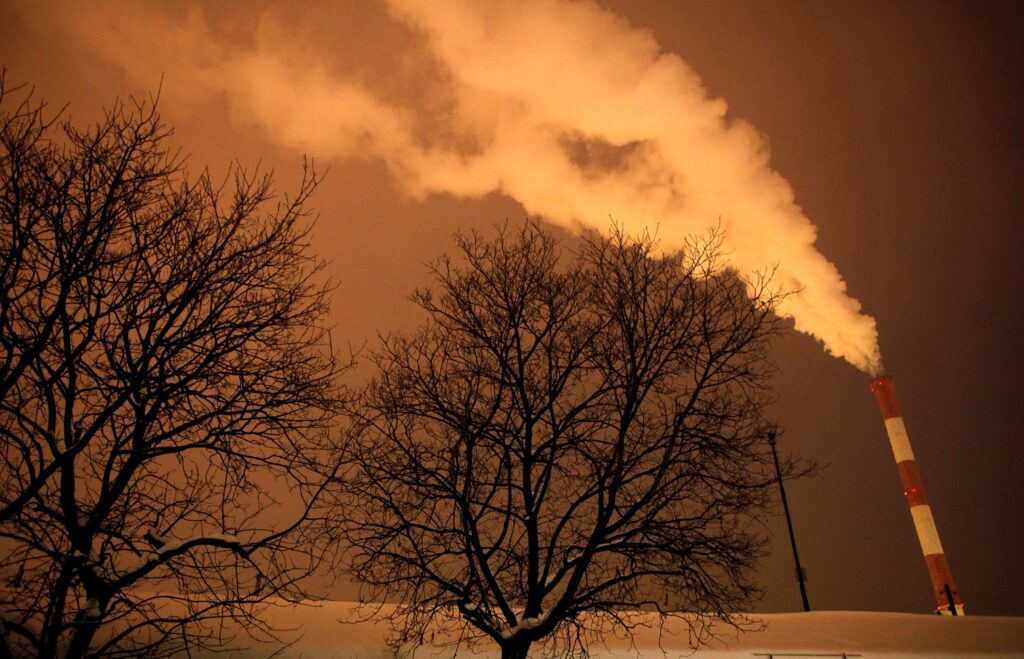
The number of countries which have pledged to reach net zero has grown, but even if their commitments are fully achieved, there will still be 22 billion tonnes of carbon dioxide worldwide in 2050 which would lead to temperature rise of around 2.1C by 2100, the IEA said in its Net Zero by 2050 report.
It sets out more than 400 milestones to achieving net zero in the report, intended to guide the next round of global climate talks in November in Scotland, and was requested by the British president of those talks, Alok Sharma.
“(This is) a massive blow to the fossil fuel industry. This is a complete turnaround of the fossil-led IEA from five years ago,” said Dave Jones, global programme lead at Ember think-tank.





Comments