
European Central Banks keep interest rates steady for another month

/ Our Today
administrator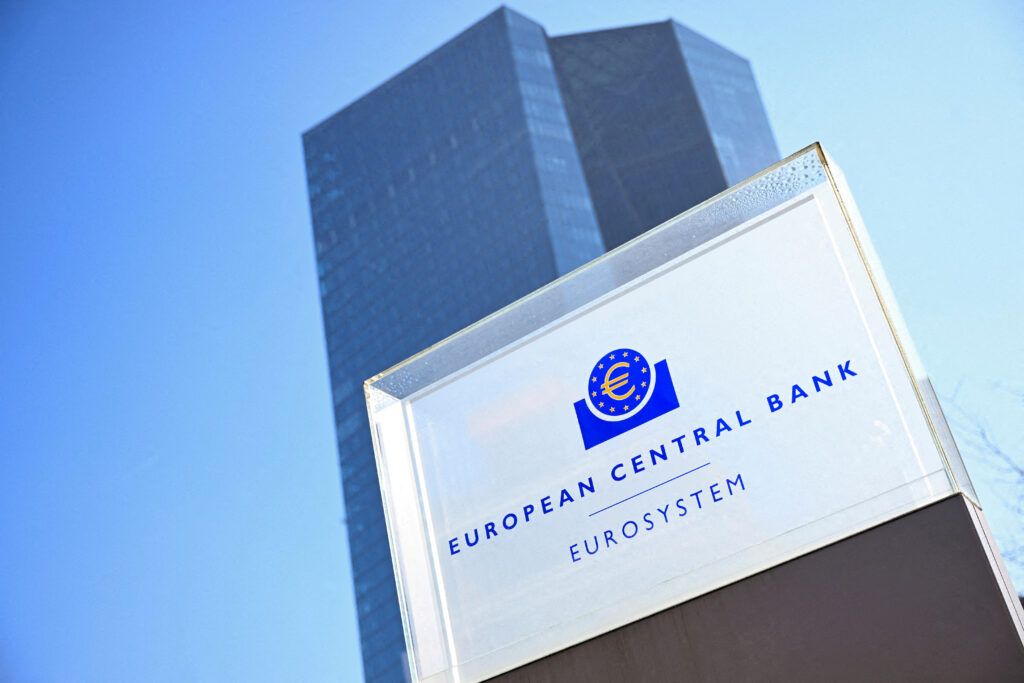
Durrant Pate/Contributor
Central Banks across Europe have kept interest rates steady for another month, with the European Central Bank (ECB) leading the way.
The ECB has opted to keep interest rates on hold at its latest monetary policy meeting today, saying the war in Iran has made the outlook “significantly more uncertain”. The interest rates on the deposit facility, through which the central bank steers its monetary policy, remain unchanged at 2%.
This follows a similar move yesterday by the Federal Reserve to keep its policy rate steady in a range of 3.5% to 3.75%, the same as it was in December last year. European regional central banks like the Bank of England, Sweden’s Riksbank and the Swiss National Bank also followed the ECB in keeping rates on hold today, as the war continues to cloud the outlook for inflation and growth.
Before the war on Iran began late last month, Europe’s central banks enjoyed a more benign inflation outlook as interest rates looked set to remain stable or keep falling across the region. However, the conflict has upset the economic equilibrium, threatening the region’s energy supplies, growth and the outlook for consumer prices.
Reasons for holding rates steady
The ECB reports that the interest rates on the deposit facility, through which the central bank steers its monetary policy, remain unchanged at 2%. Prompting to move to hold interest rate steady for another month, the ECB cites the European economy remaining resilient in a challenging global environment, solid private sector balance sheets, low unemployment and the gradual rollout of public spending on defence and infrastructure.
The supportive effects of the past interest rate cuts, which are underpinning growth, also played a supporting role in the move. At the same time, the outlook is still uncertain, owing particularly to ongoing global trade policy uncertainty and geopolitical tensions.
However, policymakers acknowledged that the conflict in the Middle East had created “upside risks for inflation and downside risks for economic growth,” prompting traders to up bets on potential ECB rate hikes later this year. The ECB says the ongoing conflict “will have a material impact on near-term inflation through higher energy prices”, while its medium-term implications would depend “both on the intensity and duration of the conflict and on how energy prices affect consumer prices and the economy.”
Expectations for interest rates across the continent have been upended. The ECB was not expected to change its stance on its benchmark interest rate, even before the war began with euro zone inflation data remaining near the central bank’s 2% target.
Latest flash data stats
The latest flash data from Eurostat showed inflation in the euro zone rose to 1.9% in February, up from 1.7% in January. The central bank today revised medium-term inflation expectations upwards.
Headline inflation is now expected to average 2.6% in 2026, 2% in 2027 and 2.1% in 2028. It blamed a rise in energy prices for the revisions. In December, the ECB had said it expected headline inflation to be just shy of 2% in 2026 and 2027, before increasing to its target of 2% in 2028.




Comments