
Excess liquidity falling in Trinidad and Tobago’s banking system

/ Our Today
administrator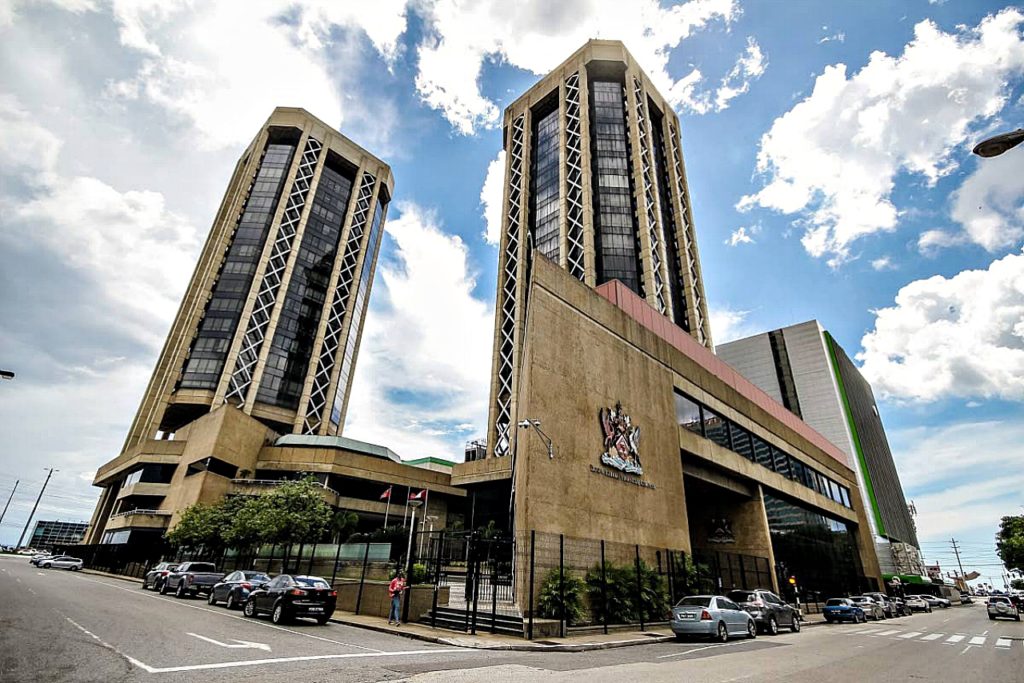
Durrant Pate/ Contributor
The Central Bank of Trinidad and Tobago (CBTT) is reporting that excess liquidity in the local banking system has continued to decline in recent months, signalling a tightening in financial conditions despite stable monetary policy.
In its latest Monetary Policy Report for November to December 2025, the CBTT says daily average excess liquidity in commercial banks fell sharply from about TT$6.6 billion in May to TT$3.5 billion by October nothing that this contraction occurred even as fiscal injections continued and the policy repo rate was held steady at 3.5%. The Central Bank attributed the decline in liquidity to a combination of offsetting flows. While fiscal operations injected roughly TT$1.9 billion into the system between May and October, these were outweighed by liquidity drains from foreign exchange sales and open market operations.
CBTT foreign exchange sales to authorised dealers removed more than TT$4.5 billion from the system over the period. As liquidity tightened, interbank market activity increased. The report states that average daily interbank borrowing rose to TT$205.1 million between May and October, nearly double the level recorded during the same period in 2024. Use of the Central Bank’s overnight repurchase facility also picked up, particularly in the third quarter.
Interest rate movements
Short-term interest rates moved higher in response. The 91-day Treasury bill rate rose by 52 basis points to 2.66% by October, while the weighted average commercial bank lending rate edged up to 6.72% by September. These conditions have begun to weigh on credit growth, where private sector credit expansion slowed to 7.1% year-on-year in September, down from 8.8% in March, with moderation across consumer, business and mortgage lending.
Economic activity showed mixed signals with real gross domestic product (GDP) contracting by 2.1% in the first quarter of 2025, reflecting weakness in both energy and non-energy sectors, before rebounding in the second quarter on stronger upstream energy production. However, non-energy indicators such as construction activity, retail sales and cashless payments suggested a loss of momentum. Inflation remained subdued throughout the year, easing to 0.4% in October.
While this provides policy space, the Central Bank cautioned that external risks, including global trade tensions, supply chain disruptions and adverse weather, could pose upside risks to prices. The report detailed a tightening of foreign exchange market conditions. Sales of foreign currency by authorised dealers to the public declined by 6.1% year on year to US$4.63 billion over January to October, while purchases from the public fell by 10%, largely due to lower conversions by energy companies.
Despite these shifts, the CBTT has not signalled an imminent change in policy, emphasising continued monitoring of domestic and external developments.





Comments