Families urged to rethink traditions that may harm children’s self-esteem

/ Our Today
administrator
Jamaicans are encouraged to use the celebration of Black History Month in February to strengthen traditions that build children’s confidence, pride and emotional resilience, while letting go of practices that undermine their development and sense of worth.
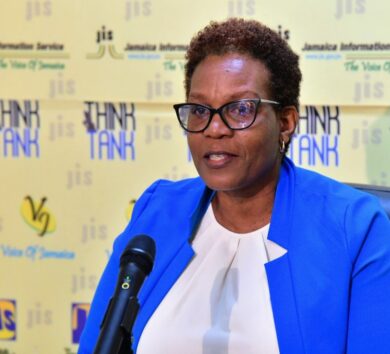
Senior Clinical Psychologist at the Western Regional Health Authority (WRHA), Georgia Rose, in making the call, tells JIS News that traditions play a vital role in connecting people to their history but should be examined carefully to ensure they continue to serve families in healthy and meaningful ways.
“Traditions are important. Think of our traditions like our history, our personal and collective histories; they bind us to our ancestors and our forefathers who, in their experiences, would have gained wisdom that would have been passed on to us,” she says.
However, she notes that traditions must evolve as societies change.
“It is integral that we recognise when these patterns no longer serve us…when they no longer contribute to our overall health,” she tells JIS News, noting that families should assess whether the practices they maintain are contributing to overall well-being and personal development.
Rose points out that some cultural practices can unintentionally affect children’s confidence and identity, particularly when they send messages that aspects of Black identity are unacceptable. “We have to be mindful of practices that leave our children questioning their value and their worth,” she says.
She cites ongoing debates surrounding natural hair and grooming standards as one example. “Our children are still being made to feel like their hair needs to be modified to be acceptable,” she says, noting that such pressures can undermine self-esteem and reinforce harmful perceptions about beauty.
The psychologist further highlights “harsh disciplinary practices” as another tradition that warrants reflection. “Discipline is supposed to be corrective; it is not supposed to be debilitating; it’s not supposed to destroy,” she says, noting that punishment should aim to guide behaviour rather than damage a child’s sense of self.
Rose further notes that children are sometimes silenced in homes and schools, leaving them feeling powerless. “We don’t give our children a voice…we silence them, and we leave them feeling that if they should have a different opinion…they are disrespectful,” she says, pointing out that this can contribute to anger, frustration, and oppositional behaviour.
She explains that many parents repeat harmful patterns unintentionally because they are replicating their own upbringing.
“We replicate our own lived experiences. You know how to be a mother based on how you were mothered, or how to be a father based on how you were fathered,” Rose points out.
She encourages parents to reflect honestly on their childhood experiences and make conscious decisions about the practices they want to carry forward. “What parts of that experience would they like to take into their current act of parenting? Also, ask yourself…what are the parts of it that you didn’t like, and to make sure that you are very conscious to not repeat those mistakes,” she advises.
Rose also encouraged families to involve children more actively in family life and decision-making. “It’s so important that we incorporate our children…so that they understand the business of the family…what are the plans and the goals of the family…so they have ownership of the family,” she says.
She tells JIS News that meaningful parenting does not always require elaborate gestures.
“Parenting is for sure a blessing and it doesn’t have to be complex and complicated and big and grand to be meaningful. Our children sometimes value the quiet and simple times with us more than the extravagant times,” Rose says.
The psychologist also underscores the importance of encouraging children, even when they make mistakes. “Always remember that our children will fail us… but you [should] love them unconditionally…speak life into them, hold them up when they fail,” she says. “We have to allow our children to embrace themselves as they are, and to love upon themselves in all their forms.”





Comments