
FAO welcomes UN resolution instituting International Coffee Day

/ Our Today
administrator
The Food and Agriculture Organisation (FAO) says it welcomes the adoption of a resolution by the UN General Assembly proclaiming October 1 as International Coffee Day.
Approved on Tuesday (March 10) in New York, the resolution recognises the “cultural, social and historical significance of coffee, from its origins to its significant role in the development of contemporary societies, in which it has become not only an important agricultural commodity and source of livelihood for communities, but also a symbol of social interaction, cultural expression and everyday tradition across generations.”
The resolution also highlights the contribution of coffee production and processing to several Sustainable Development Goals: the fight against hunger (SDG 2), the reduction of extreme poverty (SDG 1), the empowerment of women (SDG 5), and the promotion of decent work and economic growth (SDG 8).
“Coffee is more than a beverage, it is a globally traded commodity – from beans to the coffee service – that sustains the livelihoods of millions of farming households, and connects rural communities to markets across the world,” said FAO director-general Qu Dongyu. “Recognising the value of the coffee sector will raise awareness about its socio-economic importance and strengthen its contribution to eradicating poverty. We look forward to celebrating the Day and its values.”
Tuesday’s resolution was submitted to UNGA for consideration following its adoption by the FAO Conference during its 44th session in 2025.
Under the UN resolution, FAO is invited to facilitate the observance of International Coffee Day in collaboration with relevant organisations, in particular the International Coffee Organization.
The importance of coffee
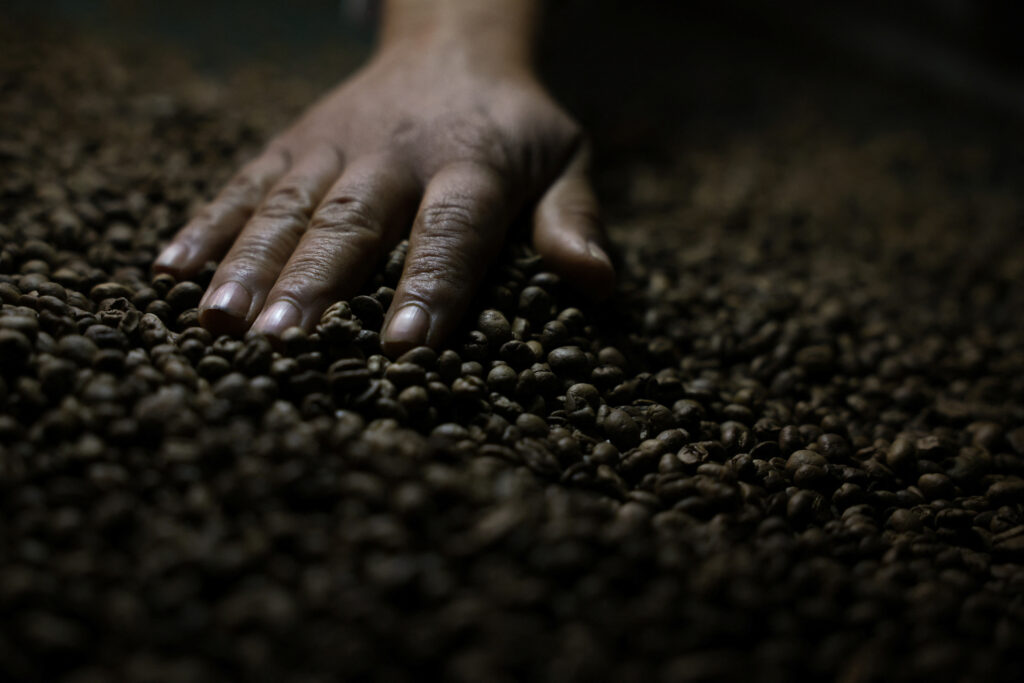
Coffee is among the most widely consumed beverages in the world, with global per capita consumption growing by 1.2 per cent annually over the past decade. The sector supports the livelihoods of around 25 million farmers and generates employment throughout the coffee value chain. Overall, the global coffee industry produces more than US$200 billion in annual revenue.
Coffee also remains one of the world’s most traded commodities. In 2024, global production surpassed 11 million tonnes, with approximately 8 million tonnes of coffee beans traded internationally. That year, the value of global coffee production was estimated at nearly US$25 billion, while world trade in coffee beans reached about US$34 billion.
For many low-income countries, coffee exports constitute a crucial source of foreign exchange. In 2024, coffee accounted for 27.9 per cent of total merchandise exports in Ethiopia, 20.1 per cent in Uganda and 19.5 per cent in Burundi. In both Ethiopia and Uganda, coffee export revenues exceeded the food import bills, while in Burundi, they represented nearly 20 per cent of the country’s food import bill.
In 2024, Brazil and Vietnam were the leading coffee exporters, while the European Union and the United States were the largest importers.




Comments