
From Boss Lady to Boss Lady: Girls Who Code CEO hands reins to Jamaica-educated Dr Tarika Barrett

/ Our Today
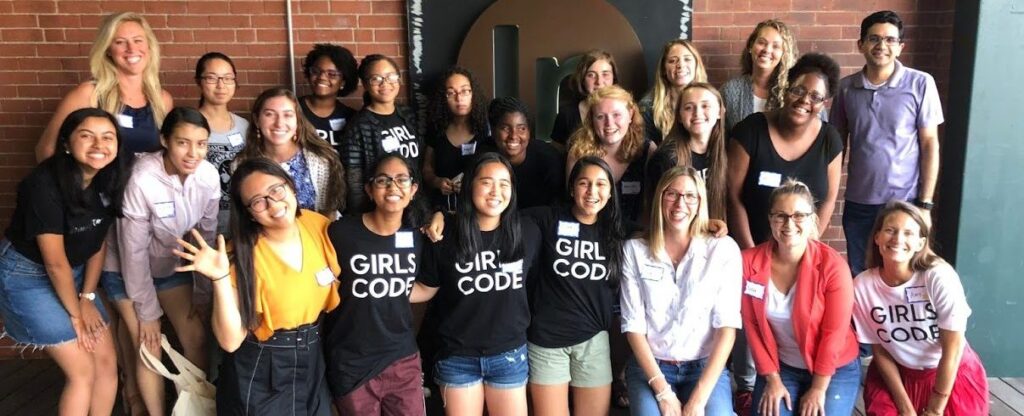
administratorFounder of non-profit Girls Who Code, Reshma Saujani, is stepping down as CEO of the organisation she founded approximately 10 years ago, handing the reins over to Dr Tarika Barrett on April 2, 2021.

Girls Who Code is an American NGO established with the goal of closing the gender gap in technology by teaching young girls about computer science and programming.
“I’m a big believer that leaders cannot or should not stay in organisations forever, and that you can’t stay innovative if you have the same person leading the movement forever,” said Saujani.
Saujani might not be the CEO anymore, but she will remain with organisation as chief operations officer.
The decision to step down might not have been easy, but was made a little less difficult as Saujani remains a part of the decision-making process.
“I think that, especially with COVID-19 happening, we were at a juncture as an organisation. And in many ways, that is the right time for leadership change.”
That ‘leadership change’ was in favour of Barrett, who has pulled her weight well enough to show she is able and capable of succeeding as new CEO.
Dr Tarika Barrett, who was born in the United States but went to high shool in her Jamaican parents homeland, has spent her life educating abandoned children or those with limited opportunities due to the ‘system’.
Before joining GWC in 2016, and spearheading its free summer immersion programmes and international expansion, Barrett was part of New York City’s Department of Education.
There she oversaw initiatives for students who are academically challenged and was among the creatives who designed the city’s first school dedicated to software engineering.
“There’s no one I would have trusted to have this role other than Tarika,” Saujani says. “This organisation would not be GWC if it were not for Tarika and the work that she’s already done.”
According to Barrett, after working in US education, she understands that the system isn’t set up to close the gender gap in technology, especially for girls of colour.
“And so, as CEO, being able to move the needle for our most marginalised girls and being able to support them in this moment, really speaks to me.”

It’s to the benefit of underprivileged young girls that they have the opportunity to not only have a mentor, but a mentor who believes they have a future in a field dedicated to men.
All the best future hackers, programmers and tech savvy ladies.
READ: Not enough women, girls represented in STEM fields: CARICOM Secretariat



Comments