
Government advances expansion project for Vernamfield

/ Our Today
administrator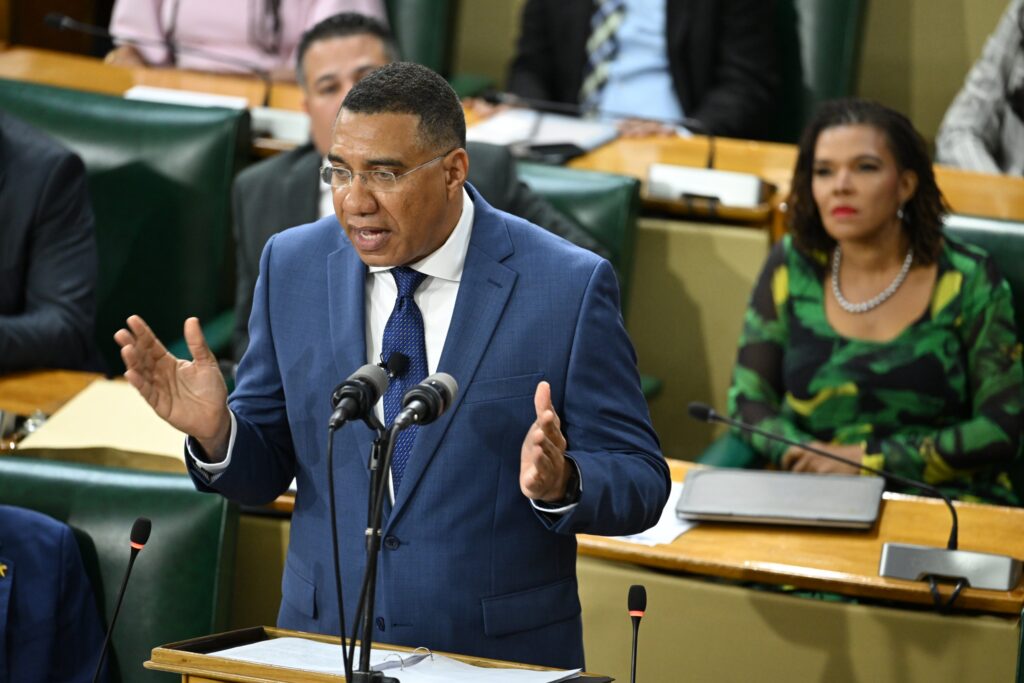
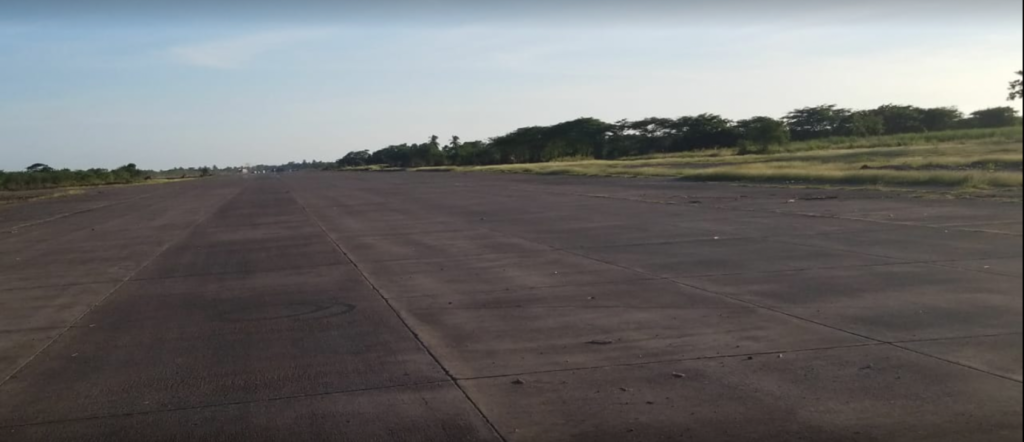
The Government will be advancing the Vernamfield Lite Project, which entails a focused, phased rehabilitation of the existing airstrip in Clarendon to create an international aerodrome capable of accommodating the largest commercial aircraft in operation.
Prime Minister Dr Andrew Holness made the announcement during his contribution to the 2026/27 Budget Debate in the House of Representatives on Thursday, March 19.
“This means that in the event of a hurricane, earthquake, or other disaster that renders Norman Manley or Sangster International Airport inoperable or both, Jamaica will have an inland facility capable of receiving wide-body jets, humanitarian relief aircraft, cargo planes, and military transport,” he said.
Beyond its resilience function, Dr Holness said the Vernamfield Lite Project will deliver immediate operational value across a range of activities.
These, he said, include providing dedicated facilities for international private jets, purpose-built hangar facilities, aviation training and certification, as well as serving as a maritime, air and cyber command base for the Jamaica Defence Force (JDF).
Noting that both of the country’s major international airports sit adjacent to the sea, Holness said these facilities are vulnerable to storm surges and the long-term effects of sea-level rise.
“When Melissa struck, the operational pressure on both facilities was immense. The question that we must answer, honestly and urgently, is what happens if one or both of our major international airports is rendered inoperable by a natural disaster. It cannot be that Jamaica has no answer,” he said.
“The continuity of our aviation connectivity, which is the lifeline of our tourism economy and our import supply chain, cannot depend entirely on two coastal strips of land exposed to the sea,” he noted further.
Dr Holness said Vernamfield has been discussed as a development opportunity for several years.
Built in 1940 during World War II, the main runway infrastructure, while dormant for decades, has been assessed and determined to retain sufficient structural integrity to serve as the foundation for rehabilitation.
“By and large, the concrete is still intact. It has over 2,000 acres of land around it…That piece of real estate should be our strategic backup and where we make strategic investments to eventually make it into a full-blown airport,” he said.
“The vision of an aerotropolis—an airport city that would anchor Jamaica’s ambition to become the world’s fourth logistics hub—has appeared in strategic documents, Cabinet decisions, and development plans have been made since the 2000s. That long-term vision still remains our aspiration,” he said.



Comments