
Government allocated $1.5 million per constituency to prep for Hurricane Melissa

Toriann Ellis / Our Today
author
Prime Minister Andrew Holnes announced that it is important for the Jamaican people to know that long before Hurricane Melissa made landfall, the government had moved decisively to prepare the nation for its arrival.
“From the moment the meteorological service signalled potential for rapid intensification and a direct strike, we activated a national response protocol and placed the country on high alert. Early warnings were issued by ODPEM and the MetService. Emergency communication channels were engaged to deliver timely, accurate updates. And as forecasts worsened, we escalated our preparedness posture and public advisories,” Holness said.
To ensure legal authority for swift national action, the government issued an order under the Disaster Risk Management Act, declaring Jamaica a threatened area, and a complementary order under the Trade Act to prevent price gouging and protect consumers during the state of emergency preparedness.
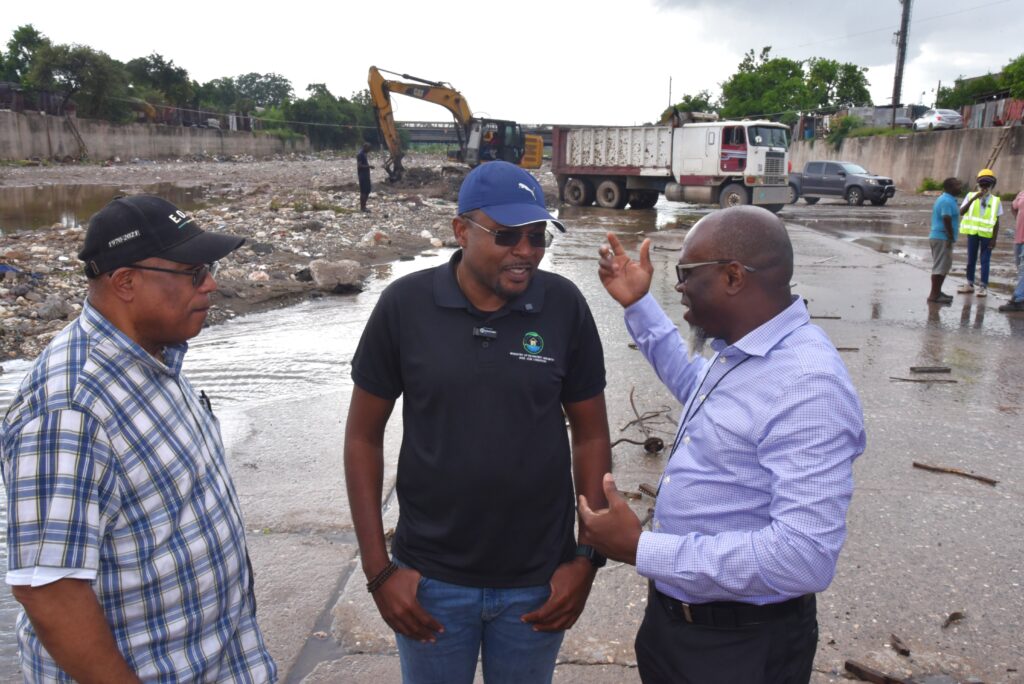
“The government also allocated 1.5 million Jamaican dollars to each constituency prior to the passage of the hurricane to assist with preparedness. And on average, each constituency would have gotten at least three million dollars for drain cleaning and other civil works in preparation for the hurricane.”
Speaking at a press briefing on Tuesday, November 4, Holness said hundreds of designated shelters, schools, churches, and community centres were opened and manned by trade personnel with relief supplies pre-positioned in the most vulnerable parishes.
“Evacuation guidance was issued for high-risk coastal areas, and we had social workers and local disaster coordinators and the security forces assisting in setting up these shelters. Critical systems were secured. Airports, seaports, and utilities activated disaster response teams.
“Ministries established command posts. The National Work Agency undertook urgent drain cleaning, bridge inspection, and slope assessment in known hazardous areas, while the National Water Commission worked to protect treatment infrastructure and urged citizens to store water safely,” Holness continued.
The Jamaica Public Service and health facilities implemented emergency protocols and prepared backup generation and response crews.
“The security forces, the JDF and the JCF, were placed on heightened readiness to support rescue, maintain order, and assist local authorities. Simultaneously, the government engaged the food, fuel, and transportation sectors to safeguard supply chains, while the Fair Trading Commission and the consumer and various other consumer agencies monitored markets to uphold a zero-tolerance stance against price exploitation.”
Public communication remained constant and transparent, with frequent press briefings, Holness declared, and emergency bulletins emphasising vigilance, community support, and protection of the vulnerable.
“The government approached this storm with seriousness, urgency, and unity of purpose to protect life, preserve order, and prepare the people for the fury of a Category 5 hurricane. Though the damage was immense, our proactive measures ensured Jamaica faced Melissa with the greatest possible state of readiness to safeguard our people and enable a rapid transition to relief and recovery,” Prime Minister Holness said.



Comments