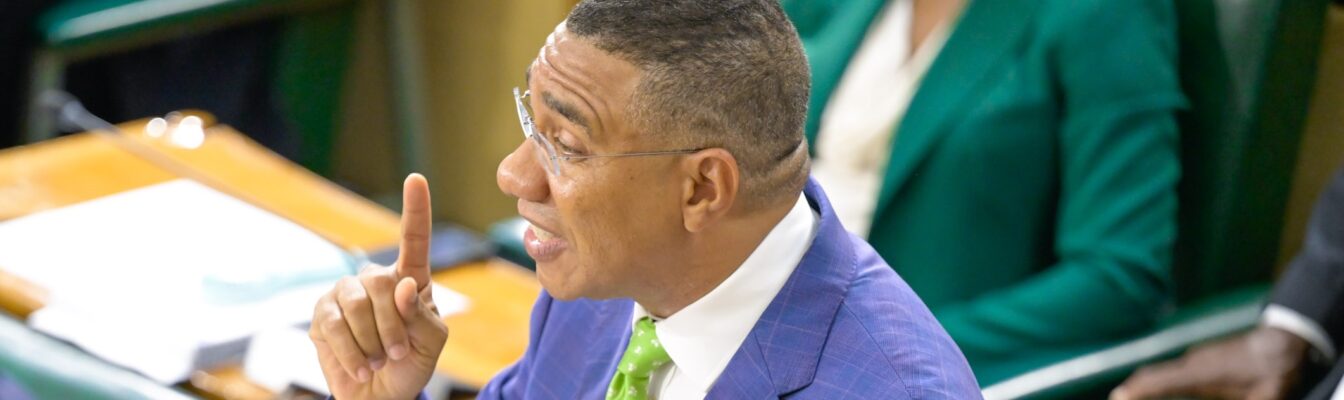
Holness right to consider censuring online misinformation
Al Edwards / Our Today
administrator
Free speech is an important tenet of democracy but the proliferation of misinformation is a clear and present danger to civilisations and well-ordered countries.
The political climate in Jamaica is febrile and is expected to get more so in the coming months as the country draws nearer to a general election.
The People’s National Party (PNP), presently in Opposition, has gained ground since the local elections and will be looking to win over Jamaicans particularly younger ones that are au fait with social media and the digital age.
Social media will be the weapon of choice in this political battle.
Some say it was the effective use of social media that turned the tide in the Jamaica Labour Party’s (JLP) favour back in 2016 and that there is a poetic justice in it being instrumental in toppling the Andrew Holness-led administration.
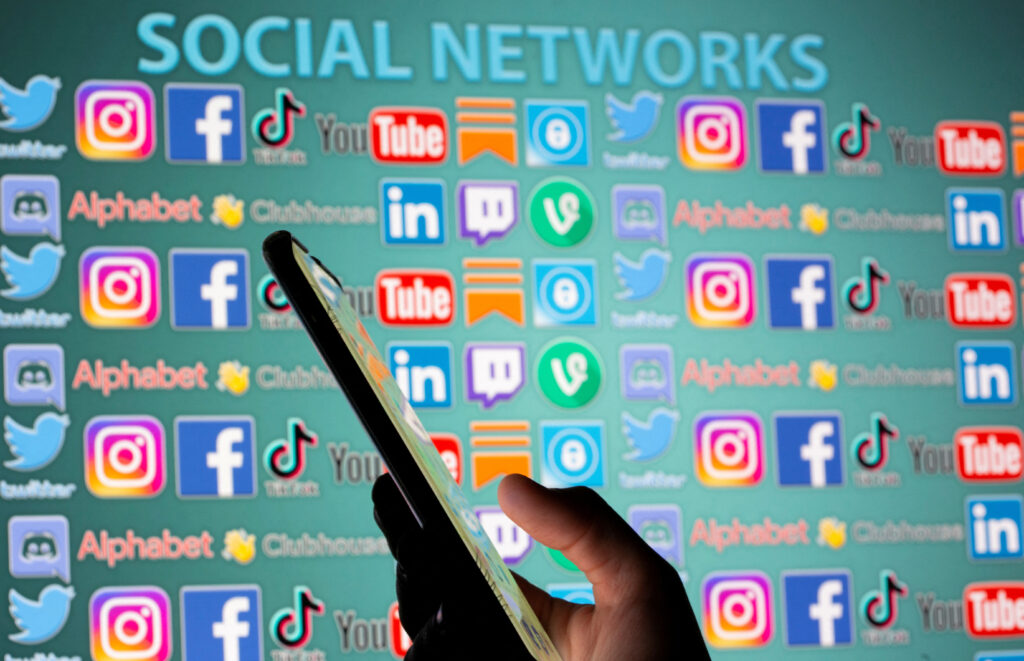
Of late, it has been employed as a disseminator of misinformation and defamation not just in Jamaica. We saw this first hand during the 2020 US Presidential election campaign.
This will see politics descend to a new low.
Since the advent of social media, the succeeding platforms have not made the world a better place; in fact, it has made it a horrible place with all the worst elements of human nature manifested. The darkness and ugliness now cannot be contained and all this in the name of free speech.
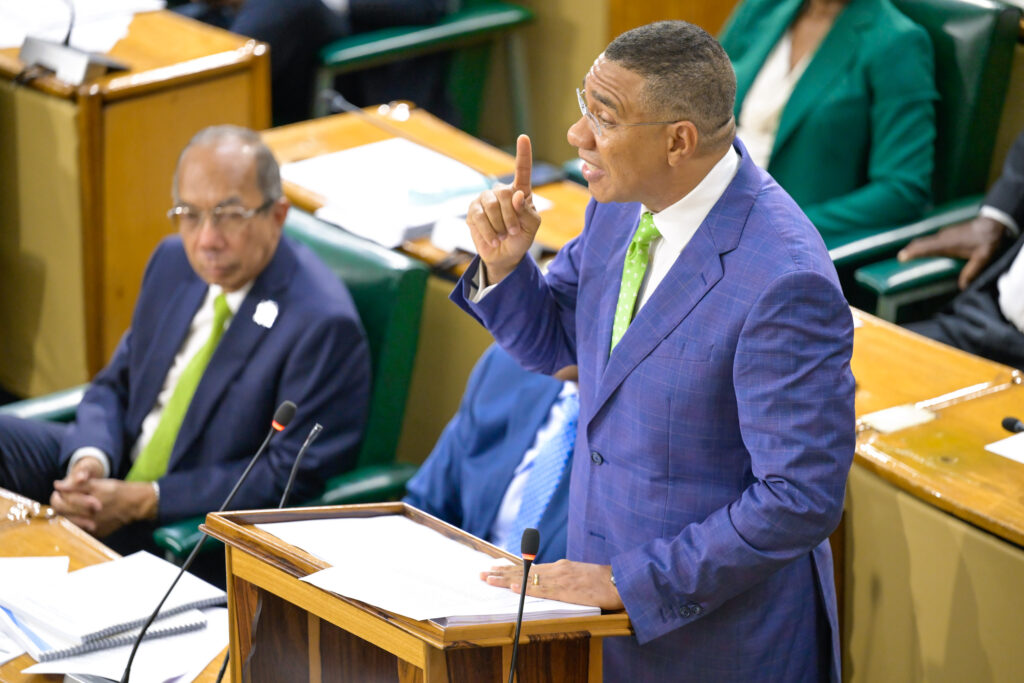
Jamaican Prime Minister Andrew Holness has drawn attention to the insidious and harrowing impact of people deciding that they can say and do whatever they want with no consequences.
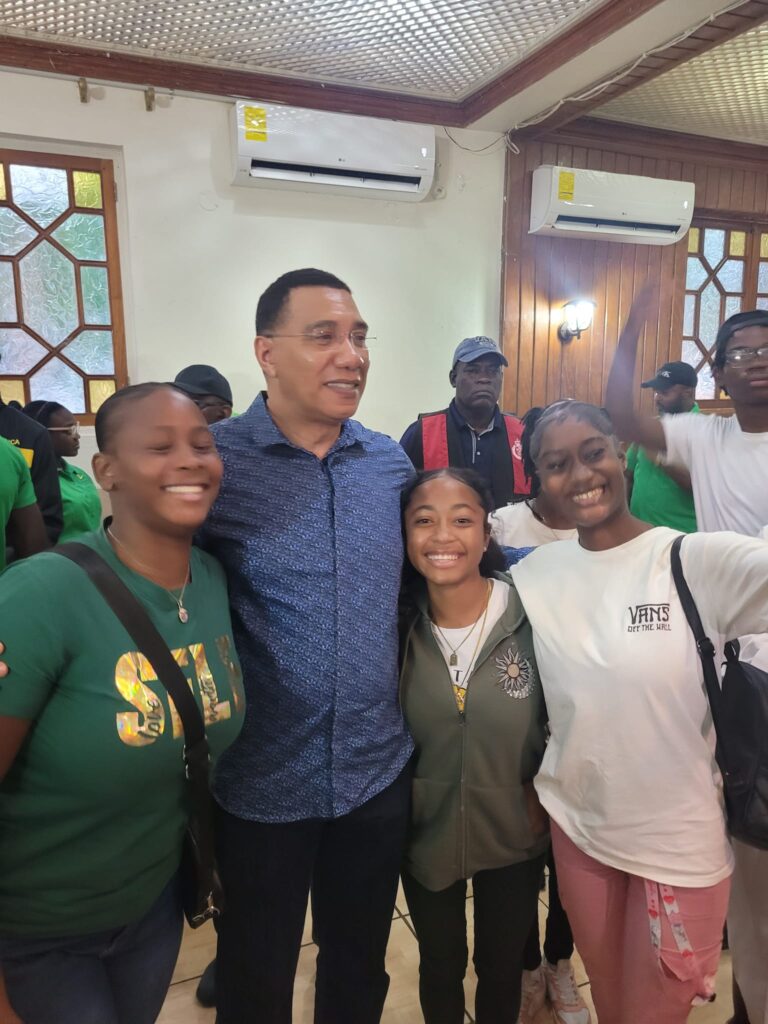
Earlier this week, he noted young people in particular, “ Are being used to comment and post negatively, spread rumours on people and do some really nasty things. We have been tracking, and you are going to see some action shortly. We have too many good news items and achievements that you need to promote without having to resort to attacking people. We deal with policies, programmes and principles.
“People who don’t have that attack people who do. People who don’t have good news, spread bad news. Where there is no bad news they create falsehoods. It is now at a point where even degreed people who studied in the highest institutions of the land are not able to discern the nonsense that comes to their phones. They have to be calling me to ask if it is true.
“There is an entire industry called fake news and if you fall for it, they say you should know better. A lot of people watch nonsense and rubbish and are not able to discern what it is. Everything that comes up on their screen, they take as facts.”
Here, the prime minister is absolutely right and this is a dangerous time for Jamaica. Social media should be regulated. Misinformation should not be allowed to proliferate. People’s reputations and character should not be maligned so viciously without a scintilla of truth or evidence.
Jamaica places little stock in education and scholarship. People are quick to anger and violence is reflexive. This makes the situation more combustible. Uneducated and misinformed is not a place Jamaica wants to be in.
An organisation has to be put in place to monitor fake news and punish its perpetrators. Jamaica cannot simply copy the worst parts of first-world countries and naively believes this is progress and aids better communication and connectivity.
The ability to spread misinformation poses an existential threat to society. When one cannot distinguish truth from untruth then we are on a slippery slope.
The prime minister was heavily criticised for what he said on this matter and many young people say he is attempting to muzzle free speech. Some go as far as proclaiming he is exhibiting a dictatorial approach.
They miss the point. Many of these bloggers, YouTubers, influencers et al are spreading falsehoods unchecked. People’s families, husbands, wives, and colleagues are hearing and reading patent untruths which tear at the very fabric of what should be binding us.
You have someone in the diaspora on YouTube continually declaring that certain senior government members have stolen over US$1 trillion for their personal gain – totally unsubstantiated.
Not that the Government will take this advice, but a broadcasting tax needs to be paid by all those who seek to disseminate information. Those who do not have a licence should be charged. There should be nothing free about pushing out fake news and misinformation.
Jamaica is on a dangerous road and if it allows this to continue it will be a chimera that stalks and plagues the land.

Those who want to gain political advantage will look to diminish the prime minister but what is good for the goose is good for the gander. There are countries that can see what this kind of practice has wrought and have put in place measures to curb it. So too must Jamaica.
Perhaps all social media platforms should be shut down until Jamaicans are at the stage where they can show better discernment. Humans should never be allowed to act unfettered-impressionable minds should not be sullied by lies and untruths.
Holness must be unafraid and take action now. A young man said to me on this subject that the Government will lose the next general election if it curbs social media and suppresses YouTubers and those who take to social media.
Action has to be taken to protect the welfare of the state and that has to be the Prime Minister’s priority. The state cannot cede messaging to rogue elements who have agendas.
It is ironic that soon after the prime minister’s pronouncement, the United Nations published principles for fighting online disinformation although with no enforcement rules.
“At a time when billions of people are exposed to false narratives, distortions and lies, these principles lay out a clear path forward, firmly rooted in human rights including the rights to freedom of expression and opinion,” said UN Secretary-General Antonio Guterres.
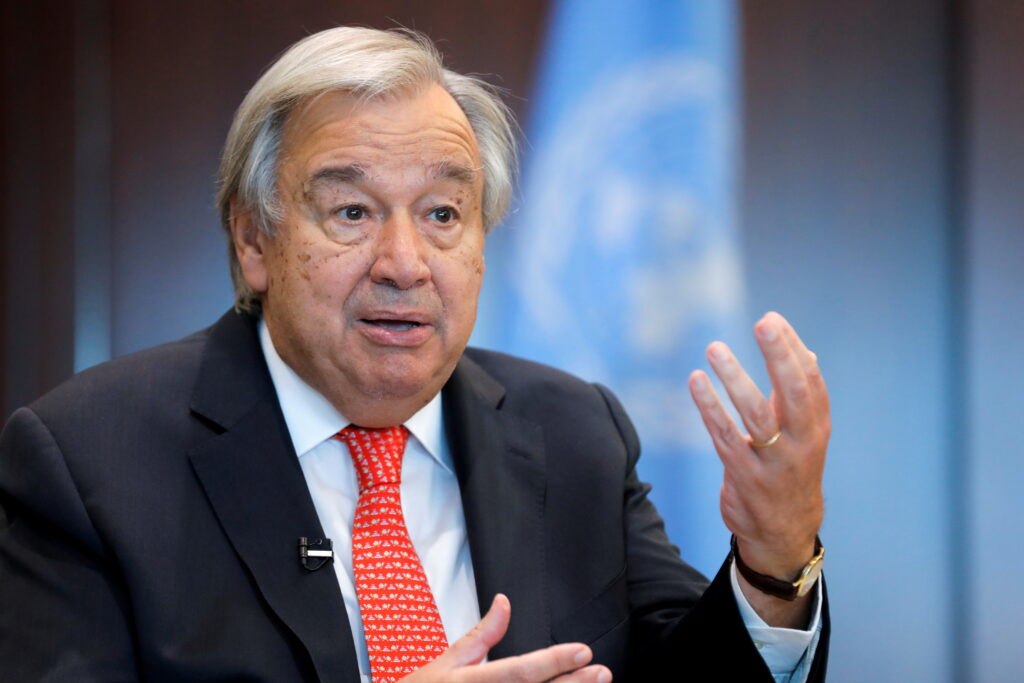
Guterres added that big tech has a lot to answer for and that if unchecked, online lies pose an existential threat to humanity even before AI takes hold.
The UN principles on battling online misinformation and propaganda are societal trust and resilience; independent free and pluralistic media; transparency and research, public empowerment; and healthy incentives.
Addressing big tech companies, the UN Secretary-General implored,” You have the power to mitigate harm to people and societies around the world. You have the power to change business models that profit from disinformation and hate.
“Some stakeholders carry an outsized responsibility. For them I have a clear message: We demand action. Governments must ensure regulations, and uphold human rights. Refrain from drastic measures including blanket internet shutdowns. Respect the right to freedom of opinion and expression.”
With the online misinformation and disinformation situation becoming untenable, the US Supreme Court earlier today announced that the federal government must urge social media platforms to take down content that is viewed as misinformation. It’s a case of I’m not asking you I’m telling you to take it down.
This needs to be implemented here in Jamaica. Great efforts must be made to curtail the spread of false information online. This is not censorship but rather serves as a bulwark against the rising tide of wanton malevolent lies and misinformation and to ensure it does not destabilise the country.
You can’t say whatever you want regardless of its veracity – that’s too much power to wield by anyone.
Jamaica’s prime minister took a more sanguine approach. He is not advocating a shutdown of social media platforms but is calling for greater care and better judgment.
“I say to young people to use it (social media) wisely. Use it with discernment. Not everything that is posted is true. Check and ask questions and if it doesn’t go so, dismiss it.
“This isn’t an attempt to dull your voices but it is now time to use your voices for the defence of truth. “
Truth and facts must prevail, not misinformation, subterfuge, lies and falsehoods.
Stick to your guns, Prime Minister Andrew Holness.


Comments