House passes legislation to strengthen cybercrime framework

/ Our Today
administrator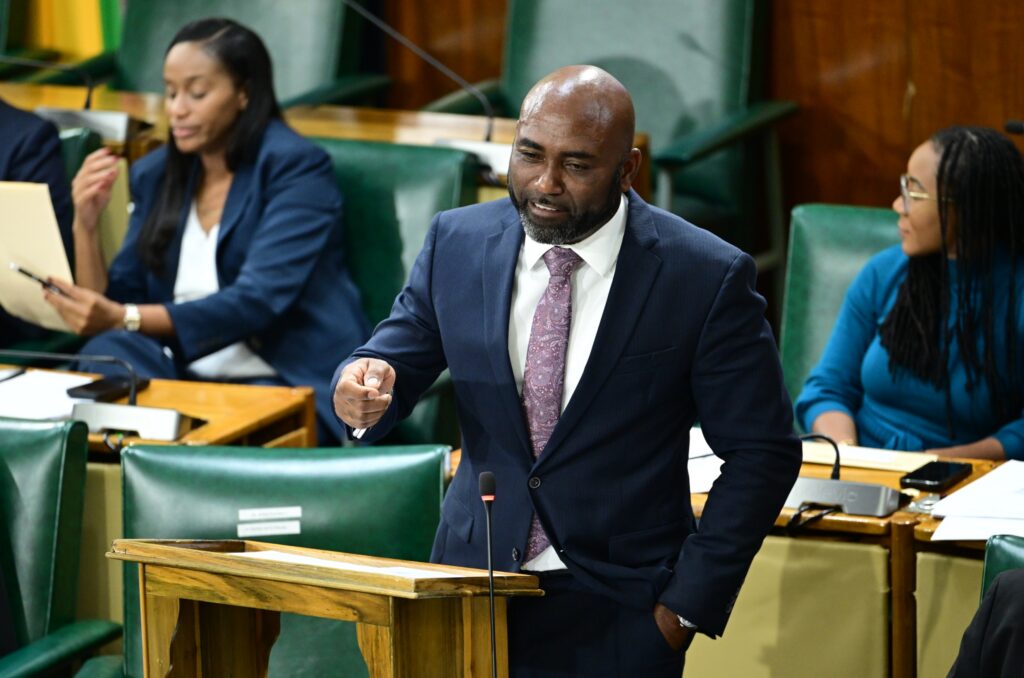
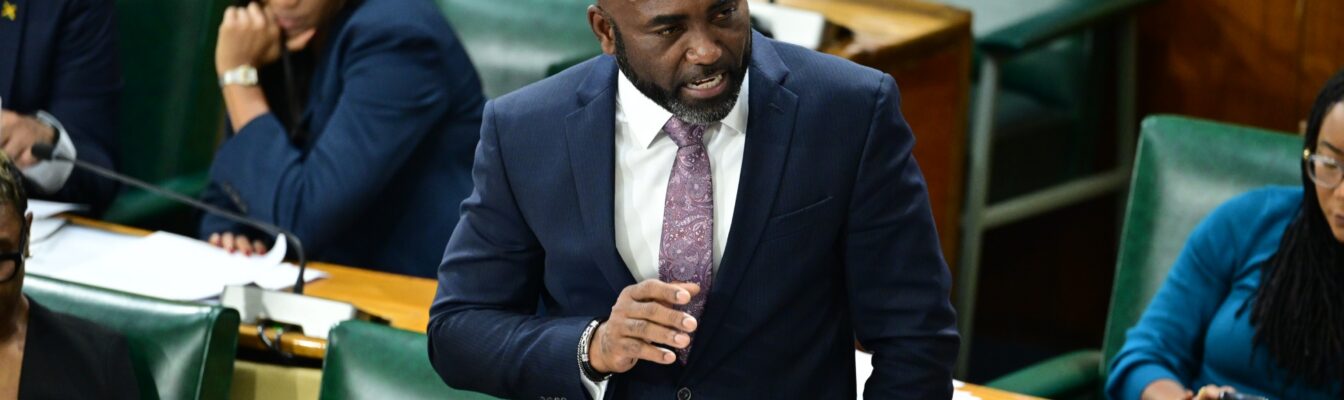
The House of Representatives on Tuesday passed legislation to strengthen Jamaica’s cybercrime framework, providing stronger protection for children and sharper tools for law enforcement and prosecutors.
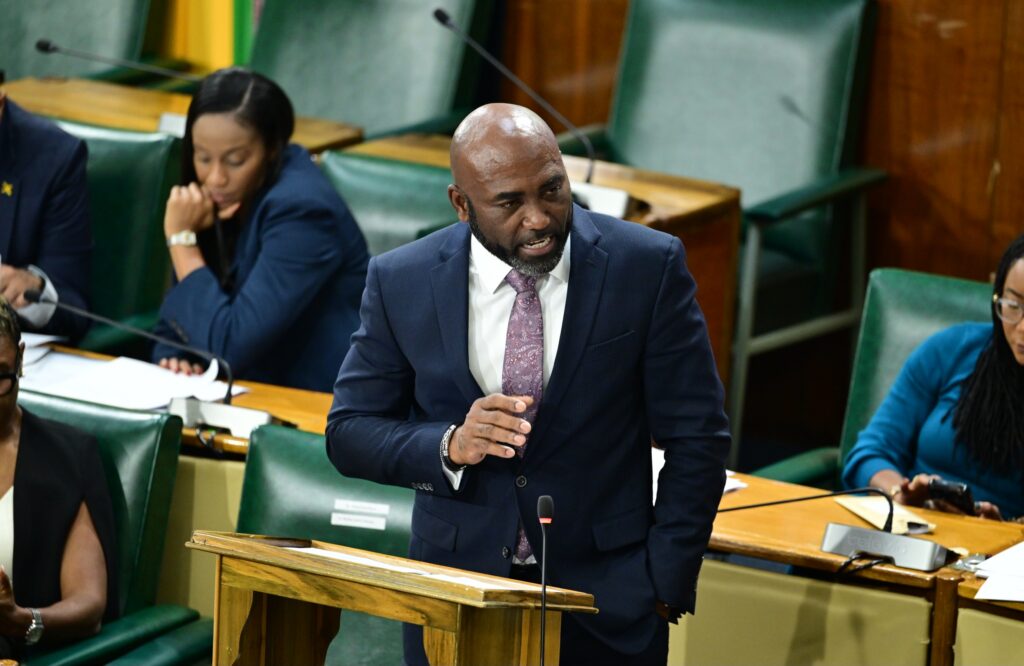
Closing the debate on the Cybercrimes (Amendment) Act, Minister without Portfolio in the Office of the Prime Minister with Responsibility for Science, Technology and Special Projects, Dr Andrew Wheatley, addressed concerns raised that the Bill does not deal with the misuse of artificial intelligence (AI).
The Opposition had argued that the Bill does not expressly reference artificial intelligence, deepfakes, forged documents or manipulated videos, and that this may make prosecution difficult.
“We have to be very real about how we deal with issues like this, because the House must recognise that the Cybercrimes Act is technologically neutral. That neutrality is very much intentional. It allows prosecution of offences under the Act, irrespective of the technology used, the platform involved or the method of manipulation,” Dr Wheatley said.
“The absence of a specific reference to AI is, therefore, not fatal. What matters is whether the required elements of the offence are present, whether an intimate image is created or generated, and whether fraudulent manipulation of data has occurred through input, alteration, deletion, suppression, or other means contemplated by the app,” he added.
The minister further stated that the Government has already indicated its intention to develop a National AI policy and has reappointed the National AI Task Force to assist with this work, including analysis of Jamaica’s legal and regulatory framework and recommendations for new laws or further amendments.
On the matter of a public education campaign, Dr Wheatley said a law is only as effective as public understanding and enforcement readiness, “so proper public education must be done”.
“If we want to ensure that a number of our laws, in particular, sensitive regulations and laws are fully appreciated, we have a responsibility to ensure that we have adequate public education as well. We cannot just pass laws and expect people to comply; we have to ensure that the laws that we pass for the benefit of our people, that they themselves are aware of their own obligation and the consequences that will follow,” the minister said.
“Laws cannot be created in isolation. It must be done in such a way that our citizens appreciate the work that is being done to protect them, and that is why I truly agree that public education is essential. So, following passage, we will embark on an education and awareness programme to ensure citizens, institutions, and law-enforcement agencies understand the provisions of the Act, the practical standards and the consequences of breach,” he continued.
The Bill is to be sent to the Senate for its approval.



Comments