
IFC cautions of risks to post-Melissa debt reduction path in assessment of FY 2026-27 budget

/ Our Today
administrator
Courtney Williams, commissioner of the Independent Fiscal Commission (IFC), indicates that while Jamaica’s fiscal policy remains broadly sustainable, the path to recovery following the catastrophic impact of Hurricane Melissa faces uncertainty.
The conclusion was made in the IFC’s just-released economic and fiscal assessment report (EFAR), which provides an independent evaluation of the Government of Jamaica’s fiscal position and macroeconomic projections for the 2026/27 fiscal year and the medium term.
The report highlights that the 60 per cent debt-to-GDP target, originally on track to be met earlier than scheduled, is now unlikely to be achieved by the proposed revised timeline of FY 2029/30.
The impact of Hurricane Melissa
The assessment underscores the scale of the shock caused by Hurricane Melissa, the joint most-powerful Atlantic system (alongside Allen in 1980) that struck the island on October 28.
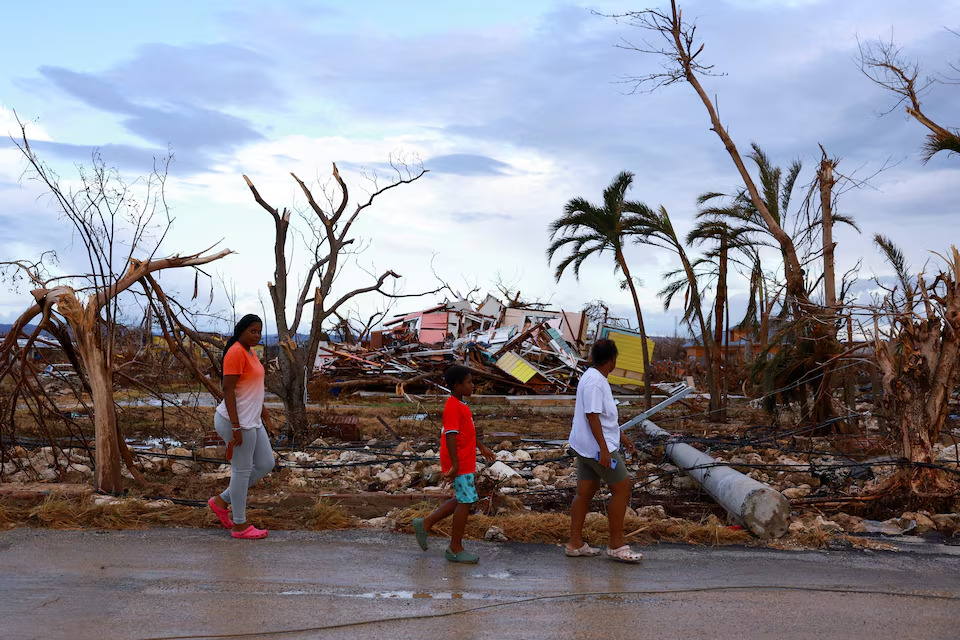
Preliminary estimates based on the Economic Commission for Latin America and the Caribbean (ECLAC) damage and loss assessment (DaLA) place total cost at J$1.5 trillion, or approximately 42.2 per cent of 2024 GDP.
This unprecedented event triggered the ‘escape clause’ within the Fiscal Responsibility Framework (FRF), allowing for a temporary suspension of fiscal rules through March 2027 to facilitate relief, recovery, and rebuilding efforts.
“The FRF worked as intended, providing the necessary flexibility to address this national emergency,” stated Commissioner Williams. “However, the rebuilding phase requires a level of clarity and detail in planning that is not evident in the government’s projections”.
Concerns regarding budget credibility
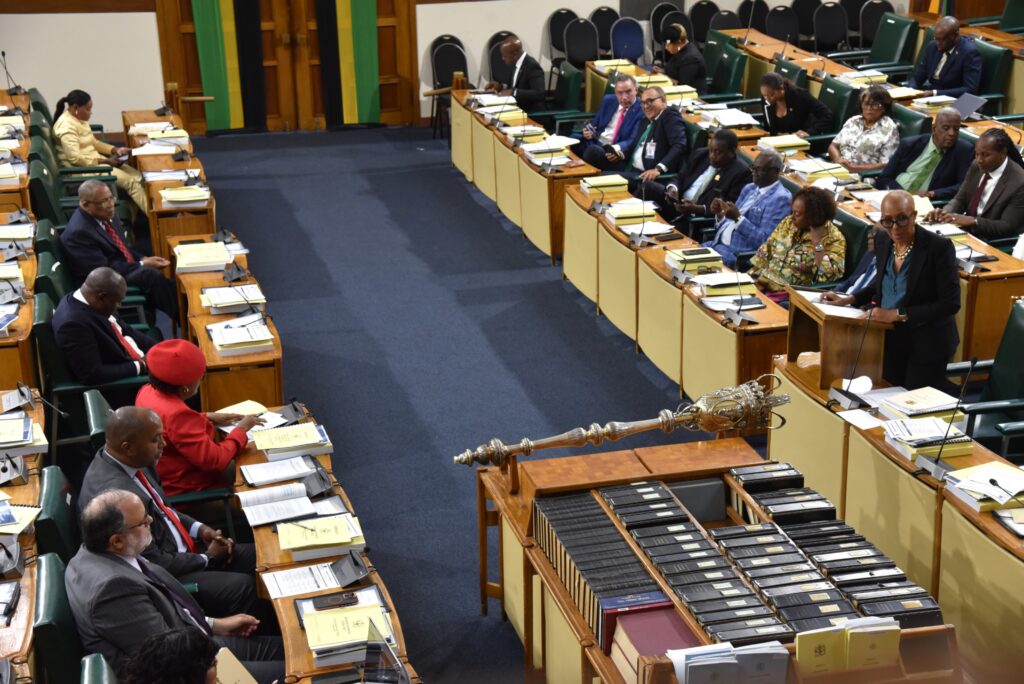
The commission’s review found the credibility of the medium-term macroeconomic and fiscal projections to be “mixed and inconclusive”.
Doubtful revenue projections: The GOJ’s nominal GDP growth projection of 9.2 per cent for FY 2026/27 appears inconsistent with current inflation trends and historical post-disaster price behaviour. This creates a significant risk of overstating revenue and understating the debt ratio.
Ambitious capital spending: The planned near doubling of the capital budget for the Specified Public Sector is deemed “implausible” given Jamaica’s legacy of low capital project execution, and ongoing capacity and procurement bottlenecks.
Missing reconstruction blueprints: The projections are yet to benefit from a detailed damage and loss assessment, or the finalised operational plans of the National Reconstruction & Resilience Authority (NaRRA).
Wage settlement uncertainty: It remains unclear whether the full costs of public sector wage settlements are factored into the budget, as the Ministry of Finance and the Public Service has not provided detailed information on the J$42.8 billion contingency allocation.
Rising fiscal pressures
The commission reiterated its concern regarding the elevated public sector wages. Since the abolition of the wage-fiscal rule in FY 2022/23, wages and salaries as a percentage of GDP have climbed from 8.8 per cent to an estimated 13.8 per cent at the end of FY 2025/26.
“By not anchoring wages to economic performance, Jamaica risks eating its seed corn, prioritising wages over the capital investments required for future growth and climate resilience,” the commissioner cautioned.
Priority considerations
To strengthen fiscal credibility and ensure a return to the downward debt path, the IFC posits:
Full FRF compliance: The government must present a complete fiscal profile for the specified public sector (SPS), including fiscal balance, revenue and expenditure, rather than just debt stock.
Alignment of wage negotiations: Establish a public sector wage negotiation cycle that aligns with the annual budget cycle to reduce fiscal uncertainty.
Accelerated NaRRA operations: Expedite publication of reconstruction blueprints, project lists, and cost estimates to allow for a full evaluation of fiscal risks.
Reintroduction of wage rules: Re-establishing an expenditure rule for wages to prevent it from consuming a growing and unsustainable share of the country’s tax revenue.





Comments